Loading…
The OmniLatin Research
With the OmniLatin character set, our intention is to improve the representation of all Latin-based languages.
With the OmniLatin character set, our intention is to improve the representation of all Latin-based languages.
How well do we really know the Latin script? Beyond the alphabets, there are many more characters we need to write most of the hundreds of Latin-based languages. Unfortunately, most of the time, letters or diacritics are absent from typefaces, and it means millions of people can’t write their language correctly. When My-Lan Thuong understood that inequity, she decided to research what would be necessary for a better representation of all the Latin-based languages. This journey raised many questions and faced difficulties but was also an enriching experience that led to fascinating (re)discoveries, fruitful collaborations, a generously shared type production tool, and a talk at an international type conference.
▼
▼
Mɩ́na Kɔńɖɛ́
Gaŋávəleða
▼
▼
Ɗaɓɓitugol
Haíłzaqvḷa
▼
▼
Ɬaʔxʷískʼiʔt
Tᶿagət̓ɛqoǰɛ
▼
▼
ʻŌmaʻomaʻo
Nłeʔkepmxcín
The Research : A journey to Extend the Language Support
The Research : A journey to Extend the Language Support
- Sharp Type, with its very international team, has always aimed for a wider representation of languages.
- The Context of Multiscript Families
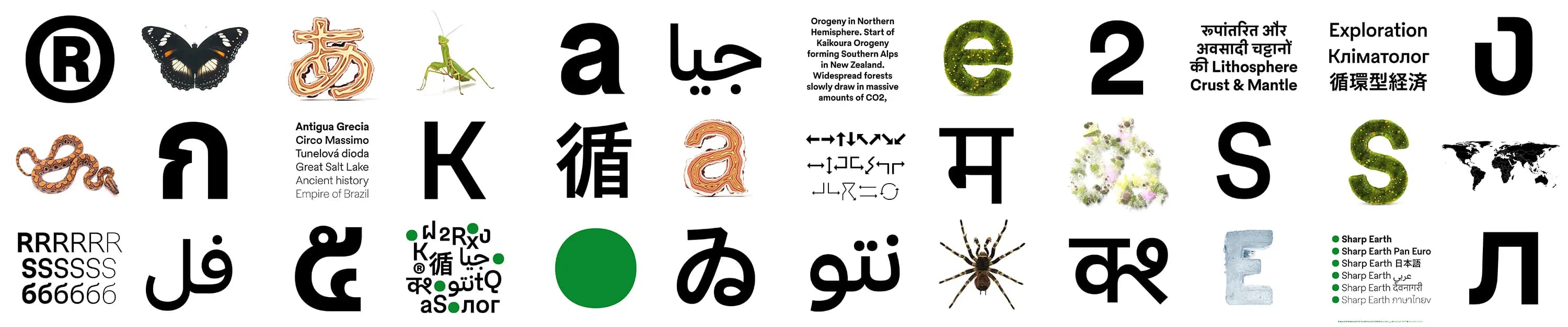
The first example of this commitment was the multiscript extension of the massive Sharp Grotesk superfamily, covering Greek, Cyrillic, Thai and Hangul scripts over a wide range of widths and weights. Launched in 2023, it was quickly followed by the development of Sharp Earth, Sharp Type’s new flagship typeface. The design originated with Latin, but was influenced by Japanese Hiragana, and Thai vernacular signs. From the start, the scope was to include scripts from all over the world. To this end, we collaborated with many native type designers to draw the Japanese, Arabic, Devanagari, Thai, Cyrillic and Greek counterparts. The production of each of these scripts was a big undertaking, resulting in the most comprehensive font family released by the foundry.
- As our ambition was to offer more extensive language support in general, the question of the coverage of Extended Latin was raised too. My-Lan Thuong was charged to revisit our standard character set to ensure a better support of underrepresented languages. Her interest in Extended Latin characters spread over a few years and several steps.
- The first step: Vietnamese
The first addition beyond European languages had been Vietnamese, back in 2020. This initiative originated from My-Lan’s personal interest in her family’s language and the understanding that it would be indeed very helpful to local designers. My-Lan was moved by Hue Minh Cao, a finalist of the Malee Scholarship first edition, saying she regretted there were not enough fonts, and especially display fonts, with Vietnamese support while it only needs a few more characters than the ones usually included in most extended Latin character sets.
Vietnamese Specific Characters
46
Áá Àà Ảả Ãã Ạạ Ăă Ắắ Ằằ Ẳẳ Ẵẵ Ặặ Ââ Ấấ Ầầ Ẩẩ Ẫẫ Ậậ
Đđ Éé Èè Ẻẻ Ẽẽ Ẹẹ Êê Ếế Ềề Ểể Ễễ Ệệ Íí Ìì Ỉỉ Ĩĩ Ịị Óó Òò
Ỏỏ Õõ Ọọ Ôô Ốố Ồồ Ổổ Ỗỗ Ộộ Ơơ Ớớ Ờờ Ởở Ỡỡ Ợợ
Úú Ùù Ủủ Ũũ Ụụ Ưư Ứứ Ừừ Ửử Ữữ Ựự Ýý Ỳỳ Ỷỷ Ỹỹ Ỵỵ
Designing Vietnamese characters is both quite simple as it mostly involves adding a few diacritics and a real challenge, because some of them need to be stacked and will take a lot of vertical space. Some designs fully embrace this verticality, but most of them look for ways to limit their height and need to adjust the double accents design. There are also some unique letters to draw, like the Đ, and the Ơ and Ư. The most emblematic diacritic is the hookabove, looking like a question mark without the period, that can also be combined with circumflex and breve accents.
Ever since 2020 (and the release of Carta Nueva) all our fonts, designed by Sharp Type or collaborators, have included Vietnamese characters in a rich diversity of styles.
Sharp Type Fonts Include Vietnamese Language Support
85
Thiên Đỉnh Lốc Xoáy Thời tiết Buổi Chiều
Nhiệt Độ Độ ẩm Mưa đá Sương Mù
- African languages
“This seems obvious, but understanding that people actually need these characters to write in their own language, gave them a new importance and consideration. It motivated me to research what I could do to design them.”
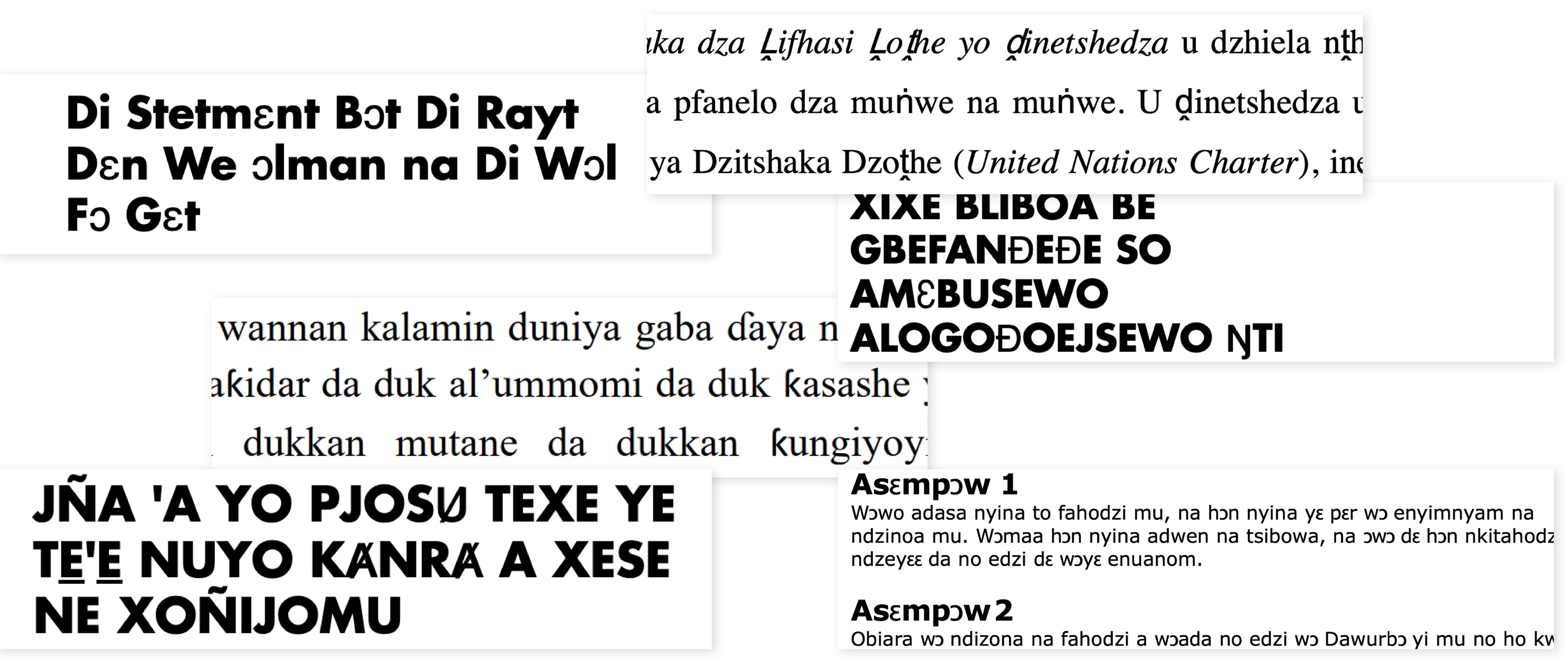
Unfortunate examples of missing characters to transcribe the Universal Declaration of Human Rights.
- The question of the representation of a language through the support of a font is often forgotten. The absence of the necessary characters is a concrete representation of the inequalities of status and treatment of the languages, cultures and countries. This realization pushed My-Lan Thuong to investigate how to cover these omitted languages. “We always hear that type design won’t change the world, but it actually can make a difference in allowing minority languages to appear in our visual landscape. It becomes the designer’s choice and responsibility to enable the access to the written form of a language, for as many people as possible. ” This drive for inclusivity was Thuong’s main motivation to venture into this almost unexplored territory.
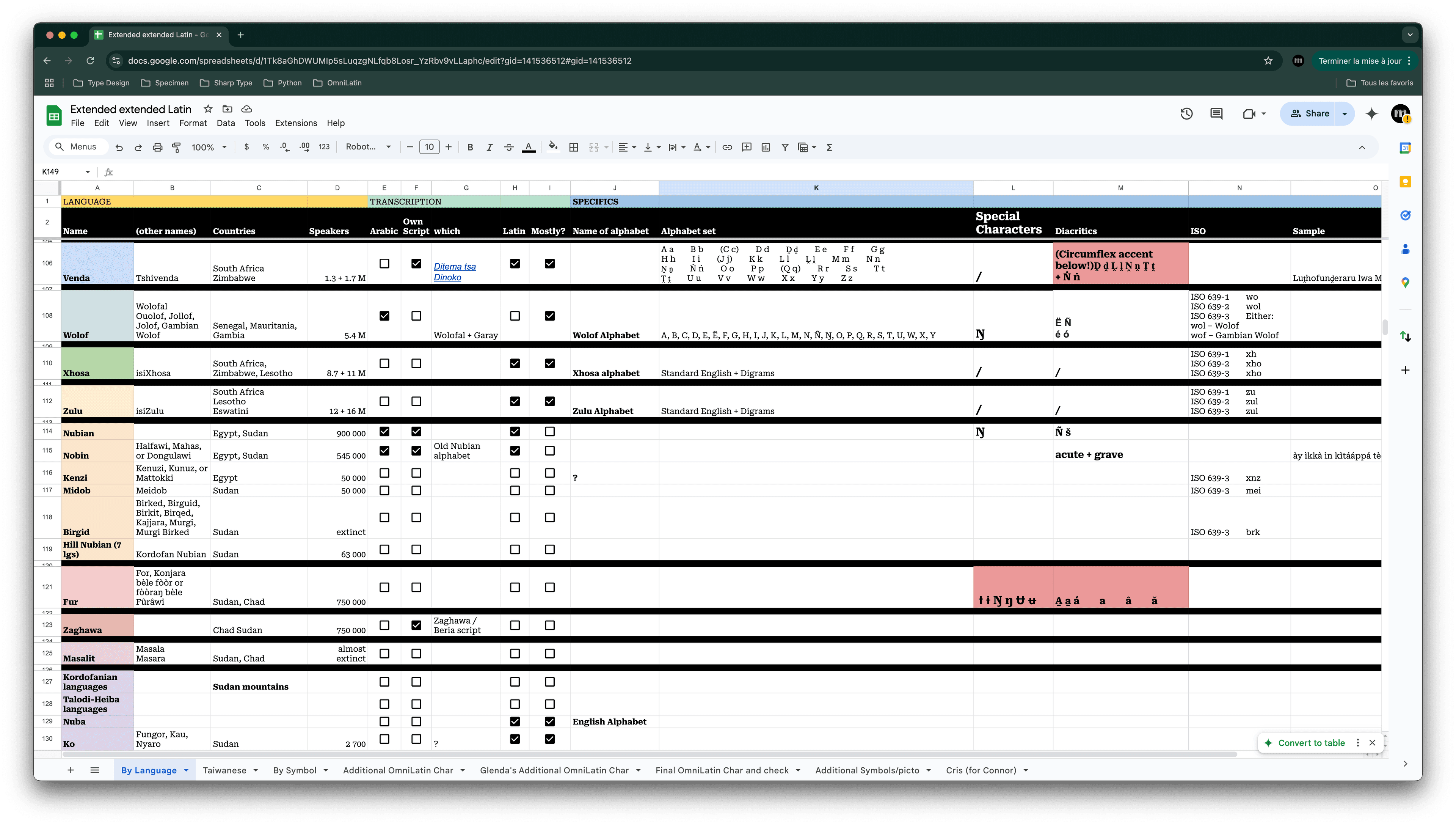
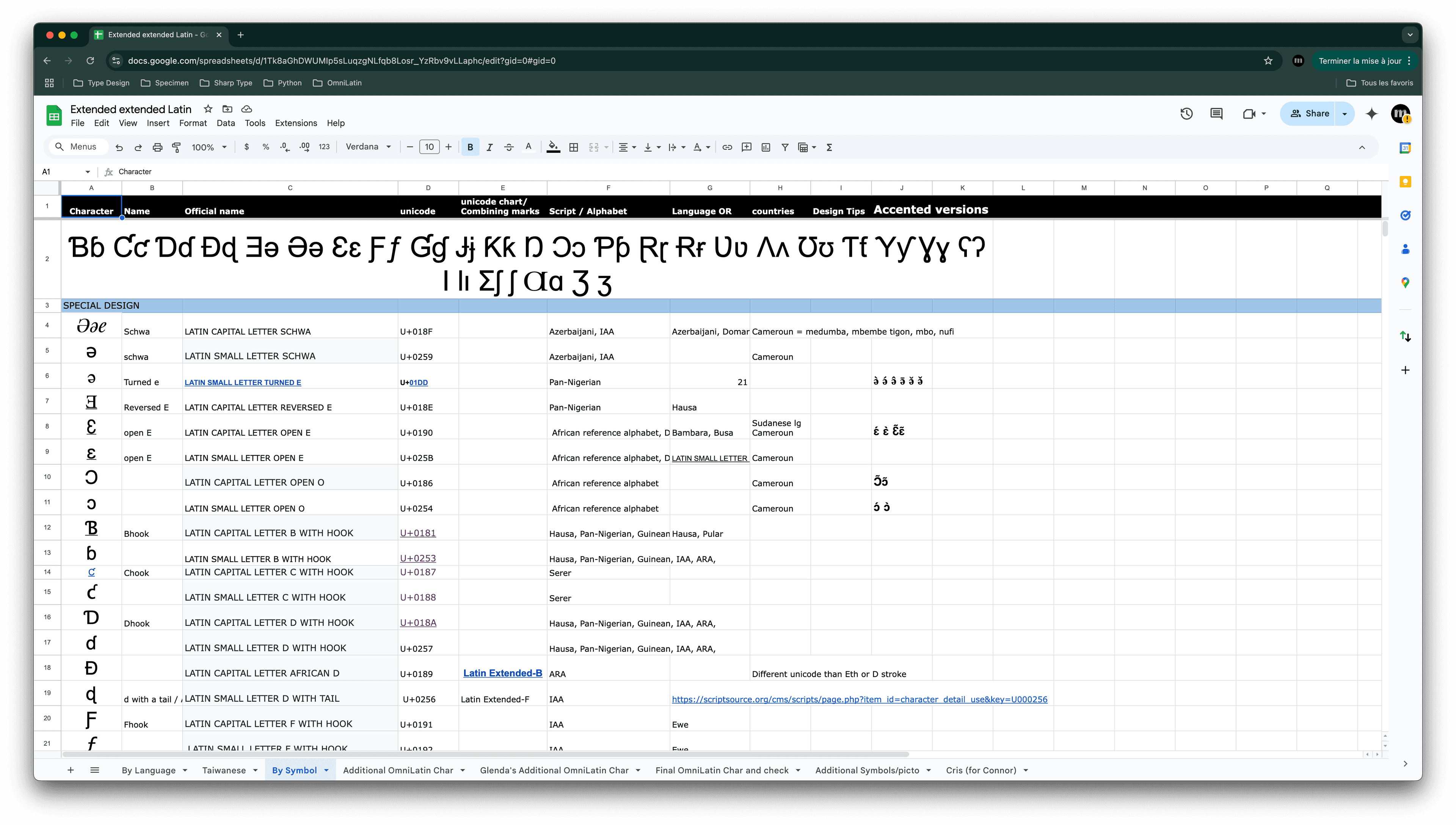
- Before encountering other similar projects, Thuong started to compile this data from her own research. Her focus was on African languages, as about half of the thousands of languages of the continent use the Latin alphabet as their primary script. It was completely unknown territory for her and the resources online were quite scarce, when it comes to the written form of many languages. After a challenging search involving dissecting Unicode charts, trying to understand the genealogy of families, sub-families, local variations and dialects of the main African languages, digging into Wikipedia country by country, language by language, and cross-checking with Omniglot, Scriptsource and old official documentation from some countries, she compiled a list of characters to support about 400 African languages.
- Indigenous North American languages
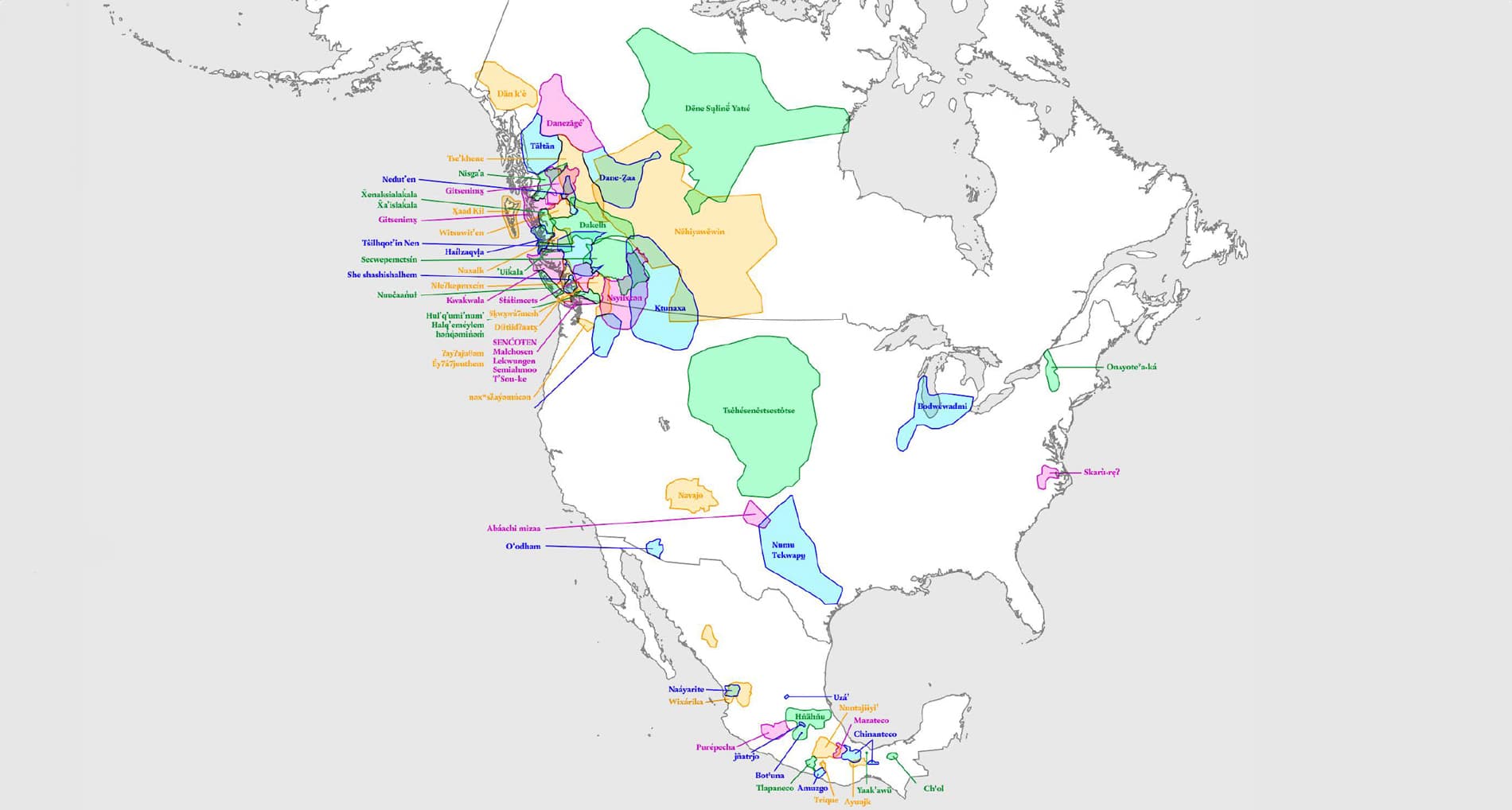
In parallel, Sharp Type worked with Cris Hernández to offer support for Indigenous North American languages. Many of these languages have been threatened or lost due to centuries of colonization and cultural suppression. In recent years, there has been a growing movement to preserve and revitalize these languages, and this project is part of that effort. Over the last few years, Cris worked on developing a character set for the written forms of a hundred Indigenous North American languages with the technical support of type expert Connor Davenport.
Indigenous North American Languages Characters
46
ⱭɑƎǝꞬɡƖɩɪɁʔʕɂ⅄ƆɔŊŋƱʊƲʋɅʌƷʒ
ȽƚꞭɬⱢɫƟɵǤǥȺⱥȻȼɆɇƛȾⱦꞸꞹ
ȦȧǞǟḎḏḤḥJ̌ǰḴḵḶỊṈṉṚṛṢṣṮṯĄąĘęŲų
ˀʰⁿᶿʷʸᶻꞋꞌʻ꞉ːˑ⋯‿ ǂ
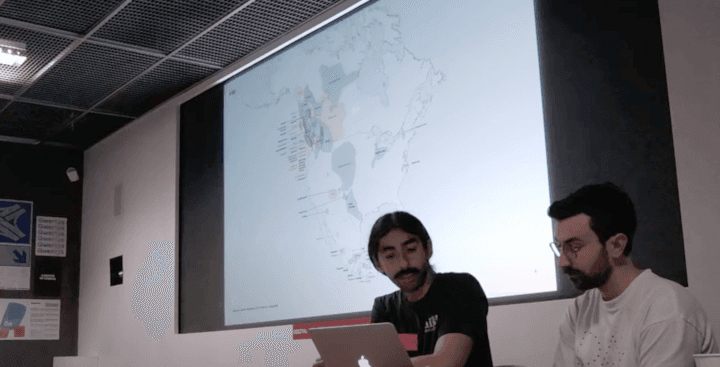
Cris Hernández & Connor Davenport at Type Labs (June 2023)
North American Indigenous Language Map
- OmniLatin
Even after adding support for a few more hundreds of African and Indigenous North American languages, the scope still felt somewhat restricted. Should we keep adding language by language, continent by continent? Why some and not others? We decided to aim to support all the languages using the Latin alphabet with what we named the OmniLatin character set.
This ambitious research project is an ongoing one, as new contacts make us discover new characters to include. Similar research and public data like Hyperglot (by Rosetta Type), Shaperglot or R12A have been immensely helpful for growing and double-checking our OmniLatin character set.
OmniLatin Character Set
28
A A̠ A̧ À Á Â Ã Ä Å Ā Ă Ą Ǎ Ⱥ Ǻ Ạ Ả Ấ Ầ Ẩ Ẫ Ậ Ắ Ằ Ẳ Ẵ Ặ Ʌ Æ Ǽ Ɑ Ⓐ B Ḅ Ḇ Ɓ C Ç Ć Ĉ Ċ Č Ƈ Ȼ Ɔ D Ð Đ Ď Ɖ Ḍ Ḏ Ḑ Ḓ Ɗ Ꟈ DŽ Dž E E̱ È É Ê Ë Ē Ĕ Ė Ę Ě Ẹ Ẻ Ẽ Ế Ề Ể Ễ Ệ Ɇ Ǝ Ə Ɛ F Ƒ G G̃ G̱ Ĝ Ğ Ġ Ģ Ɠ Ǥ Ǧ Ǵ Ɡ Ɣ H Ĥ Ȟ Ḥ Ħ Ḧ Ɦ I Ì Í Î Ï Ĩ Ī Ĭ Į İ Ǐ Ḭ Ỉ Ị Ɪ Ɩ Ɩ̀ Ɩ́ Ɩ̃ Ɨ IJ J J̌ Ĵ Ɉ K Ķ Ǩ Ḵ Ḳ Ƙ L Ĺ Ļ Ľ Ŀ Ł Ꝉ Ḷ Ƚ Ḽ Ḻ Ɬ Ɫ LJ Lj M Ḿ N N̄ N̈ Ñ Ń Ņ Ň Ǹ Ṅ Ṉ Ṋ Ṇ Ŋ Ŋ NJ Nj Ɲ O Ò Ó Ô Õ Ö Ō Ŏ Ő Ǒ Ṍ Ọ Ỏ Ố Ồ Ổ Ỗ Ộ Ơ Ớ Ờ Ở Ỡ Ợ Ơ Ǫ Ø Ø̂ Ø̌ Ǿ Ɵ Œ P Ṗ Þ Ƥ Ᵽ Q R Ŕ Ŗ Ř Ṛ Ṟ Ɍ Ɽ S Ś Ŝ Ş Š Ș Ṣ Ʃ ẞ T Ţ Ť Ț Ṭ Ṱ Ŧ Ƭ Ⱦ Ʈ U Ù Ú Û Ü Ũ Ū Ŭ Ů Ű Ǔ Ǖ Ṵ Ṹ Ų Ụ Ủ Ư Ứ Ừ Ử Ữ Ự Ʉ Ꞹ Ʊ Ʋ V Ṽ W Ŵ Ẁ Ẃ Ẅ Ⱳ X Χ Ẋ Ẍ Y Ý Ŷ Ÿ Ȳ Ỳ Ỵ Ỷ Ỹ Ƴ ⅄ Z Z̨ Ź Ż Ž Ẓ Ƶ Ʒ Ǯ Ɂ a à á â ã ä å ā ă ą ǎ ǻ ạ ả ấ ầ ẩ ẫ ậ ắ ằ ẳ ẵ ặ ⱥ æ ɑ @ b ḅ ḇ ɓ c ç ć ĉ ċ č ƈ ȼ ɔ d ď ḍ ḏ ḑ ḓ đ ð ɖ ɗ ꟈ dž e è é ê ë ē ĕ ė ę ě ẹ ẻ ẽ ế ề ể ễ ệ ɇ ə ǝ ɛ f ƒ g ĝ ğ ġ ģ ǧ ǵ ǥ ɠ ɣ h ĥ ȟ ħ ḥ ḧ ɦ i ì í î ï ĩ ī ĭ į ǐ ḭ ỉ ị ı ɨ ɩ ɪ ij j ĵ ǰ ȷ ɉ k ķ ǩ ḵ ḳ ƙ ĸ l ĺ ļ ľ ŀ ł ꝉ ḷ ƚ ḽ ḻ ɬ ɫ lj ƛ m ḿ n ñ ń ņ ň ǹ ṅ ṉ ṋ ŋ ŋ̀ ŋ̈ nj ɲ o ò ó ô õ ö ō ŏ ő ǒ ṍ ọ ỏ ố ồ ổ ỗ ộ ơ ớ ờ ở ỡ ợ ǫ ǫ́ ø ø̂ ø̌ ǿ ɵ œ p ṗ þ ƥ ᵽ q r ŕ ŗ ř ṛ ṟ ɍ ɽ ʀ s ś ŝ ş š ș ṣ ʃ ß t ţ ť ț ṭ ṱ ŧ ƭ ⱦ ʈ θ u ù ú û ü ũ ū ŭ ů ű ų ǔ ư ǖ ṵ ṹ ụ ủ ứ ừ ử ữ ự ʉ ꞹ ʊ ʋ v ṽ ʌ w ŵ ẁ ẃ ẅ ⱳ x ẋ ẍ χ y ý ÿ ŷ ȳ ỳ ỵ ỷ ỹ ƴ z ź ż ž ẓ ƶ ʒ ǯ ɂ ʔ ʕ ǀ ǁ ǂ ǃ ⋯ Ꞌ ꞌ ˉ ʻ ʼ ˮ ʿ ʹ ꞊ ˗ ⋯ ꞉ ˀ ˁ ʰ ʷ ʸ ª ᵉ ᵋ º ᵓ ᵘ ᶤ ᶶ ᶻ ᶿ ⁱ ⁿ
The OmniLatin Character Set
The OmniLatin Character Set
The basic Latin alphabet and its 26 letters are limited when it comes to transcribing the diversity of sounds used in many languages. Different methods can be used to represent more sounds.
- Digrams
Typographically, the simplest way is to use digrams (the association of two letters to represent another sound). For example, in Oromo, the association of SH is a distinct phoneme, pronounced in a different way than S + H sounds. Many African languages resort to this system, which allows the use of a standard keyboard and of most typefaces.
Some digrams are ligatures as they are encoded as a single character and have to be drawn as a single character.
Digrams with unicode + Modifier Letters
60
Æ æ IJ ij DŽ Dž dž LJ Lj lj NJ Nj nj Œ œ
- Special characters
Many languages resort to special characters, in addition to the basic alphabet. These signs can be built using existing letters from Latin but also from Greek and IPA (International Phonetic Alphabet) alphabets. Some are used as such, but with a specific Unicode, while others are turned/reversed/mirrored/rescaled letters.
Some ordinal letters called modifiers are extensively used in INA languages.
Reversed, Rescaled, Turned, Shifted Letters
60
Ɑɑ Ǝǝ Əə Ɡɡ Ɪɪ Ɩɩ ĸ Ɔɔ Þþ ʀ Ʃʃ Θθ Ʊʊ Ʌʌ ⅄ ˀ ʰ ⁿ ʷ ʸ ᶻ ᶿ
Another way is to create new signs is to paste bars, strokes, slashes or belts on alphabet characters. The terminology in this matter is unfortunately inconsistent.
Characters with Bar, Stroke, Slash or Belt
60
Ⱥⱥ Ȼȼ Đđ Ðð Ꟈꟈ Ɇɇ Ǥǥ Ħħ Ɨɨ Ɉɉ Łł Ꝉꝉ Ƚƚ Ɬɬ Ɫɫ Øø Ɵɵ Ᵽᵽ Ɍɍ Ⱦⱦ Ʉʉ Ꞹꞹ Ƶƶ
Some characters grow hooks, tails or horns.
Characters with Hook, Horn or Tail
60
Ɓɓ Ƈƈ Ɗɗ Ɖɖ Ƒƒ Ɠɠ Ɦɦ Ƙƙ Ŋŋ Ɲɲ Ơơ Ƥƥ Ɽɽ Ƭƭ Ʈʈ Ưư Ʋʋ Ⱳⱳ Ƴƴ
A handful of others have a unique design.
Unique Design
60
Ⓐ@ Ɛɛ ƛ ẞß Ʋʋ Ꭓꭓ Ɣɣ Ʒʒ Ɂʔ ʕ ɂ
The last category of signs are modifiers, in between letters and punctuation symbols.
Modifiers
60
ǀ ǁ ǂ ǃ ꞉ Ꞌ ꞌ ‿ ˉʻʼˮʿʹ꞊˗⋯
- Diacritics & Accented Characters
The most common way to add new sounds is using diacritics above or below the letters. There can be one or multiple used at once, and the possible combinations are therefore almost endless.
The accented characters can be prebuilt and have their own box and Unicode in the font file. They are built with components and anchors, and are easy for the designers to check.
Pre-built Accented Characters
38
Áá Àà Ââ Ãã Ää Åå Āā Ăă Ạạ Ảả Ąą Ắắ Ặặ Ằằ Ẳẳ Ẵẵ Ấấ Ậậ Ầầ Ẩẩ Ẫẫ Ȧȧ Ǟǟ Ǽǽ Ḅḅ Ḇḇ Çç Ćć Ĉĉ Ċċ Čč Ďď Ḏḏ Ḑḑ Ḓḓ Éé Èè Êê Ëë Ēē Ĕĕ Ėė Ẹẹ Ẻẻ Ęę Ěě Ếế Ệệ Ềề Ểể Ễễ Ḛḛ Ȩȩ Ĝĝ Ğğ Ġġ Ģģ Ǵǵ Ĥĥ Ḥḥ Ȟȟ ḦḧÍí Ìì Îî Ïï Ĩĩ Īī Ĭĭ Įį Ịị Ỉỉ Ḭ ḭ Ĵĵ J̌ǰ Ķķ Ḵḵ Ḱḱ Ḳḳ Ĺĺ Ľľ Ļļ Ŀŀ Ḷḷ Ḻḻ ḿḿ Ńń Ņņ Ňň Ññ Ṅṅ Ṋṋ Ṉṉ Ṇṇ Óó Òò Ôô Õõ Ōō Öö Ŏŏ Őő Ọọ Ỏỏ Ốố Ộộ Ồồ Ổổ Ỗỗ Ṍṍ Ớớ Ợợ Ờờ Ởở Ỡỡ Ǿǿ Ṗṗ Ŕŕ Ŗŗ Řř Ṛṛ Ṟṟ Śś Ŝŝ Šš Şş Șș Ṣṣ Ţţ Ťť Țț Ṯṯ Ṭṭ Ṱṱ Úú Ùù Ûû Üü Ũũ Ūū Ůů Űű Ŭŭ Ųų Ụụ Ủủ Ṹṹ Ṵṵ Ứứ Ựự Ừừ Ửử Ữữ Ṽṽ Ẃẃ Ẁẁ Ẅẅ Ŵŵ Ẍẍ Ýý Ỳỳ Ŷŷ Ÿÿ Ỵỵ Ỷỷ Źź Żż Žž Ẓẓ Ǯǯ
Because so many more are needed to write many languages, the Unicode Consortium decided they should be built with a more flexible system that would allow any possible combination without needing a specific encoding. These accented characters use the Combining Mark and the Mark-to-Mark features to stack diacritics on top of (or below) letters or even on (or under) another mark. This system builds accented characters with as many steps as there are elements and relies heavily on anchors and additional feature files and functions to include in the font.
Combining Marks
60
◌̀ ◌̆ ◌̑ ◌̌ ◌̂ ◌̋ ◌̏ ◌̃ ◌̄ ◌̇ ◌̈ ◌̉ ◌̊ ◌̓ ◌̒ ◌̍ ◌᷆ ◌᷇ ◌᷄ ◌᷅ ◌̕ ◌͘ ◌̣ ◌̤ ◌̧ ◌̦ ◌̭ ◌̯ ◌̰ ◌̹ ◌̠ ◌̱ ◌̲ ◌͟ ◌̨ ◌͡
Modifiers
60
´ ˘ ˇ ˆ ¨ ˙ ` ˝ ¯ ˛ ¸ ˚ ˜ ΅ ῭ ˉ ʻ ʼ ˮ ʹ ‿ ʿ ˗ ꞊ ⋯
Combining Mark System
60
ʋ + ◌̃ + ◌́ = ʋ̃́
i + ◌̣ = ị + ◌̂ = ị̂
e + ◌̨ = ę + ◌̈ + ◌̂ = ę̈̂
Ideally, we should then be able to write all of the following characters as well, even if they are not directly included in the OmniLatin character set.
Accented Characters Built with the Combining Mark System
38
B́b́ Ɛ́ɛ́ Ǝ́ǝ́ Ɩ́ɩ́ Ɔ́ɔ́ Œ́œ́ Ɵ́ɵ́ Ŕŕ Ʊ́ʊ́ Ʉ́ʉ́ ʕ̓ Ã́ã́ Ẽ́ẽ́ Ɛ̃́ɛ̃́ Ĩ́ĩ́ Ɩ̃́ɩ̃́ Ṍṍ Ɔ̃́ɔ̃́ R̃́r̃́ Ṹṹ Ʋ̃́ʋ̃́ Á̹á̹ Í̹í̹ Ẹ́ẹ́ Ị́ị́ Ọ́ọ́ Ụ́ụ́ B̀b̀ Ɛ̀ɛ̀ Ə̀ə̀ Ɩ̀ɩ̀ M̀m̀ Ǹǹ Ɔ̀ɔ̀ Ʊ̀ʊ̀ Æ̀æ̀ Ɨ̀ɨ̀ Œ̀œ̀ Ɵ̀ɵ̀ Ã̀ã̀ Ẽ̀ẽ̀ Ɛ̃̀ɛ̃̀ Ĩ̀ĩ̀ Ɩ̃̀ɩ̃̀ Õ̀õ̀ Ɔ̃̀ɔ̃̀ Ũ̀ũ̀ Ẹ̀ẹ̀ Ọọ Ǝ̂ǝ̂ Ɛ̂ɛ̂ Ɔ̂ɔ̂ Ʊ̂ʊ̂ Ẑẑ Æ̂æ̂ Ɨ̂ɨ̂ Ø̂ø̂ Œ̂œ̂ Ɵ̂ɵ̂ Ḓḓ Ḽḽ Ṋṋ Ṱṱ Ɛ̈ɛ̈ Ɔ̈ɔ̈ Ŋ̈ŋ̈ N̈n̈ Ǝ̌ǝ̌ Ɛ̌ɛ̌ Ɔ̌ɔ̌ Ʊ̌ʊ̌ Ø̌ø̌ Œ̌œ̌ Č̓č̓ Q̓q̓ Q̓ʷ Ã̌ã̌ Ɛ̃̌ɛ̃̌ Ĩ̌ĩ̌ Ɔ̃̌ɔ̃̌ Ũ̌ũ̌ Ɛ̃ɛ̃ Ɔ̃ɔ̃ Ʋ̃ʋ̃ Ɩ̃ɩ̃ A̰a̰ Ḛḛ Ɛ̰ɛ̰ Ḭḭ Ɔ̰ɔ̰ Ṵṵ Ḛ́ḛ́ Ó̰ó̰ Ɔ̰̀ɔ̰̀ À̰à̰ Á̰á̰ Ɛ̰̀ɛ̰̀ Ɛ̰́ɛ̰́ Ḭ́ḭ́ Ḭ̀ḭ̀ Ɔ̰́ɔ̰́ Ṵ̀ṵ̀ Ṵ́ṵ́ Ǝ̄ǝ̄ Ɛ̄ɛ̄ Ɔ̄ɔ̄ M̄m̄ N̄n̄ Ʊ̄ʊ̄ Ǟǟ Ṅṅ Ḍḍ Ḥḥ Ḷḷ Ṛṛ Ṣṣ Ṭṭ Ẓẓ Ị́ị́ Ị̀ị̀ Ị̂ị̂ Ị̃ị̃ Ị̄ị̄ È̤è̤ Ò̤ò̤ Ô̤ô̤ Ṳ̂ṳ̂ A̧a̧ Ḑḑ Ç̌ç̌ Ȩȩ ȩ̀ȩ̀ Ȩ́ȩ́ Ȩ̂ȩ̂ Ȩ̌ȩ̌ Ɛ̧ɛ̧ Ə̧ə̧ I̧i̧ Ɨ̧ɨ̧ ɨ̧̀ɨ̧̀ ɨ̧̂ɨ̧̂ Ɨ̧̌ɨ̧̌ O̧o̧ Ɔ̧ɔ̧ U̧u̧ Ą́ą́ Ą̊ą̊ Ą̀ą̀ Ą̂ą̂ Ą̌ą̌ Ą̈ą̈ ą̈̂ą̈̂ Ą̄ą̄ Ą̄́ą̄́ Ę́ę́ Ę̀ę̀ Ę̂ę̂ Ę̌ę̌ Ę̈ę̈ Ę̈̂ę̈̂ Į́į́ Į̀į̀ Į̂į̂ Į̌į̌ Ǫ́ǫ́ Ǫ̀ǫ̀ Ǫ̂ǫ̂ Ǫ̌ǫ̌ Ų́ų́ Ų̂ų̂ Ų̌ų̌ S̨s̨ Z̨z̨ A̱a̱ Ḏḏ P̱p̱ X̱x̱ Ũ᷆ũ᷆ I᷆i᷆ I᷇i᷇ I᷅i᷅ I᷄i᷄ I̍i̍
- Localized shapes
Some characters are used in different languages and need different designs, even if they share the same Unicode.
The most notable ones are the Ŋ and the letters with ogonek.
LOCL Eng
100
Ŋŋ
NAV Ogonek
100
Ąą Ęę Ųų
From ShaperGlot, the most advanced platform to test Latin language support, we have enabled the transcription of about 800 languages from all over the world.
▼
Regular
48
Earth, Tɛtʋ, Erde, Nunaqpak, Dinya, Lalolagi, Terra, Tiŋgbani, Jorden, Trái Đất, Ziemia, Maa, Ntoto, Suuf, Zemlja, Ayé, Yer, Papatūānuku, Sêse, Lefatshe, Tal, Dünya, Akal, Tierra, Yvy, Honua, Aarde, Jörðin, Zəmin, Andonɛɛ, Misava, Bumi, Nunarsuaq, Dhul, Terre, Lurra, Tawava, Tero, Nahasdzáán, Mma, Pământ, Źymja, Aski, Swanta, uMhlaba, Ensi, Kalibotan
Sharing the Research
Sharing the Research
The point of this research is to be implemented as much as possible, in our designs, but also beyond. It is a cause that is dear to us, so we decided to share what we learnt with the rest of the world in different ways.
- The OmniLatin Tool
It is undeniable that adding many characters to a typeface means more work. We have experienced it, and to help us and other type designers making OmniLatin their new standard, we have put all our knowledge on the topic in a tool(box) that automates tasks as much as possible: the OmniLatin Tool.
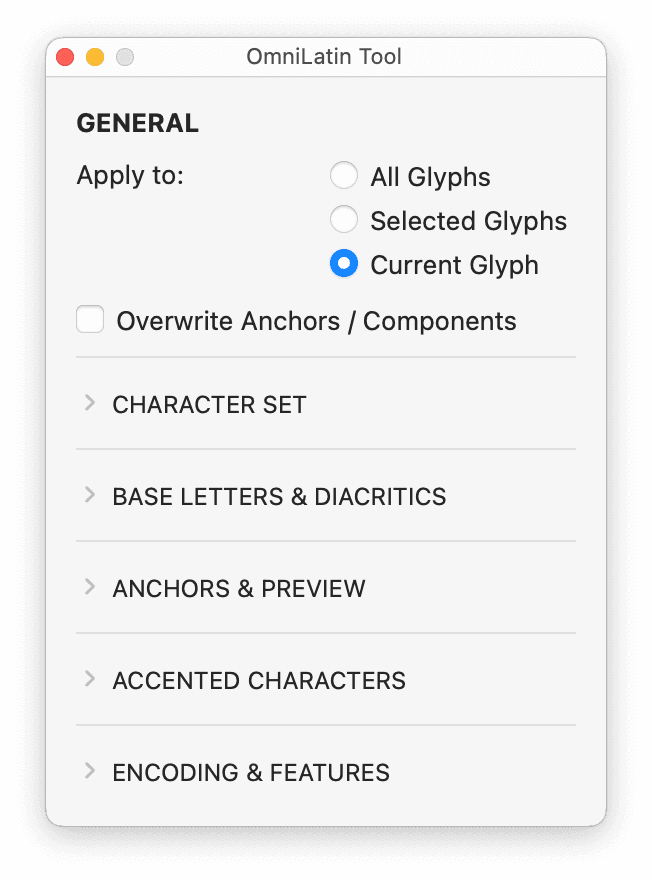
After the completion of Sharp Earth, it was obvious that this process needed to be systemized to be reproduced for our next releases. It coincided with the moment when type designer Léna Le Pommelet joined the team and came up with the idea of a single tool for this purpose. After having worked with Petr von Blokland and his super smart “assistants”, she dreamt of an interface that would gather all the scripts and functions required for the completion of a type design project. At that time, she and My-Lan were taking Python lessons with Marte Verhaegen, now type designer at Production Type and developer at RoboFont, and it felt obvious that she was the best person to build this tool. The seed was planted and together they imagined the OmniLatin Tool and its many functions.

Gradually, the project became more and more complex, as it was used over and over to develop three of our latest releases (Sharp Serif Text, Sharp Serif Display and Rosalie). The dictionaries were expanded, the functions refined, more people joined the project and extra features were added to guide designers could be guided through every step of the process. The OmniLatin Tool helps adding around 700 characters, from prebuilding the special characters, placing the anchors, building the accented letters to exporting the necessary OpenType features.
To fulfill its ambitious goal of a broader representation of all Latin-based languages beyond Sharp Type projects, Lucas Sharp and Chantra Malee decided to share the OmniLatin Tool as an open-source RoboFont plugin. We hope that this generous spirit will encourage designers or researchers to develop typefaces with extended language support and also to share their knowledge on the topic to improving it.
- Talks at Type Conferences
Spreading awareness is a key dimension of this project. To this end, our team has been and will be present to talk about it at international type conferences.

In April 2024, My-Lan flew across the globe to give a talk about the OmniLatin cause, her research journey and the prototype of the Tool at ATypI Brisbane (Australia). This international type community gathering was the perfect audience to discuss the topic of underrepresented languages and what we, type designers, could do about that.
In February 2025, Léna, My-Lan and Marte will be reunited to demonstrate the Tool at the symposium Automatic Type Design 3, in Nancy (France). This conference about existing and upcoming technologies for typeface design, at the Atelier National de Recherche Typographique (ANRT) seems to be the perfect occasion for the OmniLatin Tool’s first public appearance.
Conclusion
Conclusion
We are proud to share with you all the OmniLatin research, in the hope that it will encourage and help designers build typefaces with more inclusive language support. Adding all the necessary characters and features is not an easy task and might not be possible for all designs, but with the help of the OmniLatin Tool and with practice, we hope to make this ambition more accessible.
This project keeps growing and being refined, and all external help and knowledge to enrich it is welcome.
♥ Thank you
♥ Thank you
Project directed by My-Lan Thuong,
Sponsored by Sharp Type,
Based on the research done by Cris Hernández (Indigenous North American languages), My-Lan Thuong (African languages + OmniLatin), the Rosetta Type team (Hyperglot), the Google team (Shaperglot), Script Source and R12A.
Technical support from Connor Davenport and Calvin Kwok.
Special thanks to Léna Le Pommelet and Glenda Bellarosa for their commitment and advice.
Featured Fonts
Featured Fonts