Loading…
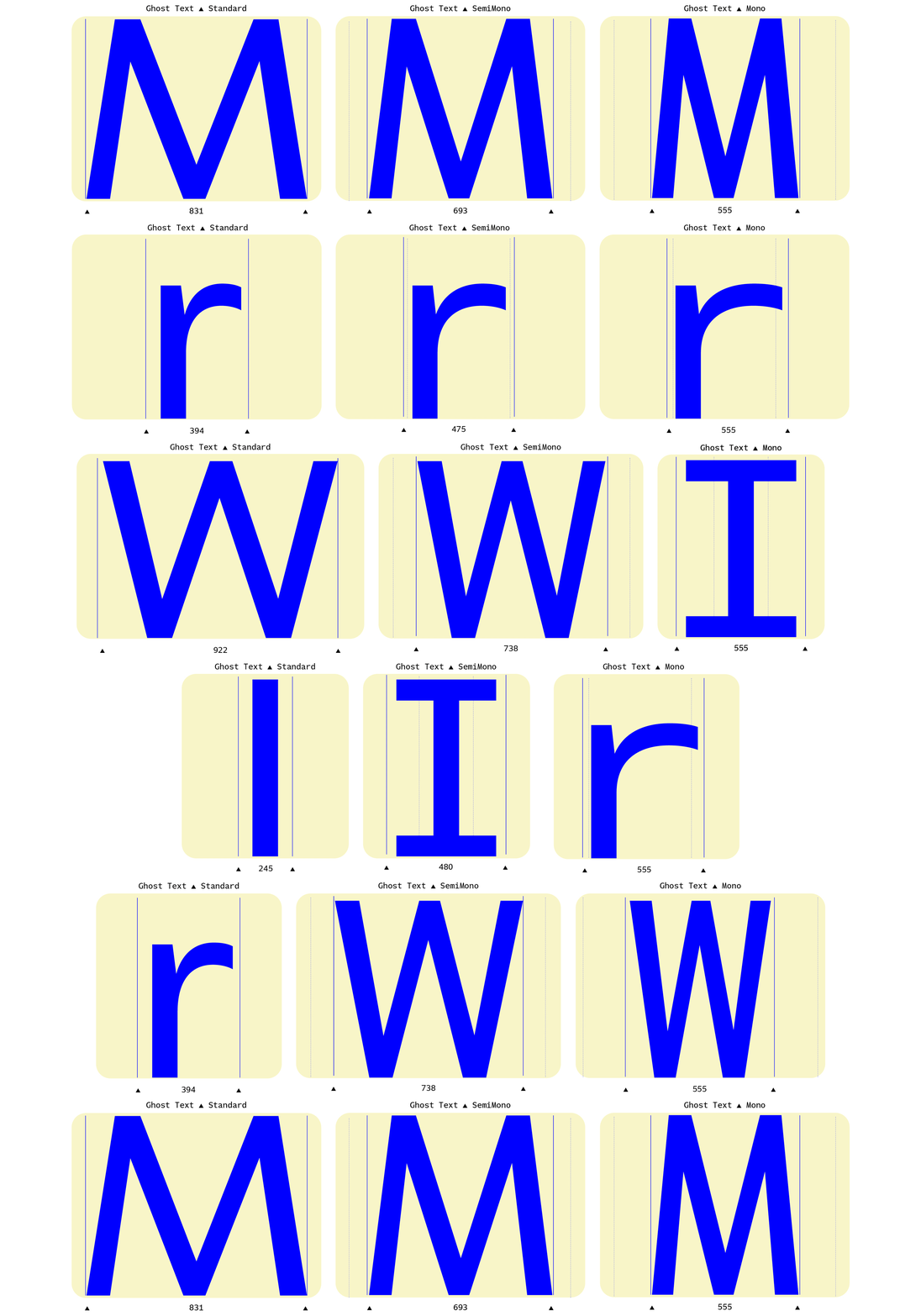
Ghost Text SemiMono
Ghost Superfamily is here, newly present and fully formed. Originally released in 2022 in a single display family, Lucas Sharp’s playful yet reverent resurrection of the Humanist sans debuted as an argument for a new standard in type design. Working backwards from the genre’s origins in Roman inscriptional writing, through the representational lens of Edward Johnston’s mechanically constructed forebears, Ghost’s chimeric identity was designed for adaptability, with a distinctive personality unbeholden to genre yet dexterous in its diachronic construction.
Through seamless variable axes that scale across display, text, and coding functions, Ghost Superfamily delves into the full potential of variable font technology, giving us the opportunity to explore its applications twofold as our most robust design tool for typographers, and as a new technological standard in our craft. Lucas, with My-Lan Thuong, Léna Le Pommelet, and Daniel Veneklaas, spent four years developing the superfamily, which now includes seventy-two styles across five weights with an optical size and mono axes, all integrated into a single variable designspace.
Through seamless variable axes that scale across display, text, and coding functions, Ghost Superfamily delves into the full potential of variable font technology, giving us the opportunity to explore its applications twofold as our most robust design tool for typographers, and as a new technological standard in our craft. Lucas, with My-Lan Thuong, Léna Le Pommelet, and Daniel Veneklaas, spent four years developing the superfamily, which now includes seventy-two styles across five weights with an optical size and mono axes, all integrated into a single variable designspace.
Designers: Lucas Sharp, My-Lan Thuong, Léna Le Pommelet, and Daniel Veneklaas | Engineer: Connor Davenport, Calvin Kwok | Kerning: Igino Marini
Version History
V.1 Apr 2022V.2 Apr 2026
▼
▼
Weightier
Rhapsodic
▼
▼
Quantocks
Automóvil
▼
▼
Exogenous
Blamieren
▼
▼
Prompting
Zambrotta
▼
▼
Metaphors
Plasmodic
▼
▼
Vaporwave
Benissimo
▼
▼
Mario is a character created by Japanese video game designer Shigeru Miyamoto in 1981.
Their adventures generally involve rescuing Princess Peach from the villain Bowser while
▼
▼
The engineer Masayuki Uemura designed the 8-bit Famicom after president Hiroshi Yamauchi
Developed by Game Freak and published by The Pokémon Company and Nintendo for
▼
▼
A 32-bit handheld game console, manufactured by Nintendo, which was released in Japan on March
iQue Game Boy Advance. Compared to the Game Boy Color, the console offered a much more
▼
▼
A revision of the SP with a backlit screen was released, miniaturized redesign, called
ARM processors are useful for light, portable, battery-powered devices, including smartphones
▼
▼
There have been several generations of the ARM design. The original ARM1 used a 32-bit
The games put an emphasis on the Legendary Pokémon Necrozma. Set in Alola
▼
▼
The Walkman became widely popular during the late 1980s for its portable design
"Walkman effect", a term describing how headphones allow listeners to control sound
Loading…
0
300
0
0
Loading…
300
0
▼
▼
Light
23
Memory Stick, or xD-Picture Card storage, displayed images on small rear LCDs, and connected to host computers through USB 1.1 or, in earlier models, serial cables. Photographs were small, colour-shifted, often blurred, and frequently dated in the corner by an LCD. Nintendo of America declined to release the game in Western territories on the grounds that it was too difficult and too similar to its predecessor, and it was instead retitled Super Mario Bros.: The Lost Levels for its 1993 Western release as part of the Super Mario All-Stars compilation on the Super Nintendo Entertainment System. Super Mario Bros. 2 is responsible for introducing Shy Guy, Birdo, and Bob-omb to the wider Mario canon. The original Japanese Super Mario Bros. 2 was retroactively localised under the title The Lost Levels.
Light Italic
23
Photographs were small, colour-shifted, often blurred, and frequently dated in the corner by an LCD that had been set to the wrong year in 1998 and never updated. The flash photograph taken at arm's length and angled downward established compositional conventions that anticipated the front-facing camera by nearly a decade. The Western release of October 1988, developed not as a direct sequel to the original but as a reskin of the 1987 Famicom Disk System game Yume Kōjō: Doki Doki Panic, which Nintendo had developed for an unrelated promotional partnership with Fuji Television. The game permits the player to choose between Mario, Luigi, Toad, and Princess Peach, each with distinct movement properties, and replaces the standard enemy-stomping mechanic with the picking up and throwing of vegetables and other objects. Though atypical of the series, Super Mario Bros. 2 is responsible for introducing Shy Guy, Birdo, and Bob-omb to the wider Mario canon. The original Japanese Super Mario Bros. 2 was retroactively localised under the title The Lost Levels.
Light
16
CompactFlash, Memory Stick, or xD-Picture Card storage, displayed images on small rear LCDs, and connected to host computers through USB 1.1 or, in earlier models, serial cables. Photographs were small, colour-shifted, often blurred, and frequently dated in the corner by an LCD that had been set to the wrong year in 1998 and never updated. The flash photograph taken at arm's length and angled downward established compositional conventions that anticipated the front-facing camera by nearly a decade. Nikon Coolpix 990 (2000, 3.34 megapixels), and the Olympus Stylus 300 (2003, 3.2 megapixels). The period's cameras typically housed CCD sensors of two to five megapixels, used SmartMedia, Released for the Famicom on October 23, 1988, and for the NES in North America on February 12, 1990. Directed by Miyamoto, designed by Tezuka, and considered by many critics to be the finest game on the platform. The title introduced the world-map overworld, the Super Leaf and Tanooki Suit transformation power-ups, the Koopa Kids as a distinct group of bosses, airships as level types, and a vastly expanded vocabulary of level themes including desert, ice, water, sky, and giant-scale environments. The game's North American release was preceded by a substantial promotional campaign, including the 1989 film The Wizard, in which the game's existence was teased before its commercial debut.
Light Italic
16
Nikon Coolpix 990 (2000, 3.34 megapixels), and the Olympus Stylus 300 (2003, 3.2 megapixels). The period's cameras typically housed CCD sensors of two to five megapixels, used SmartMedia, CompactFlash, Memory Stick, or xD-Picture Card storage, displayed images on small rear LCDs, and connected to host computers through USB 1.1 or, in earlier models, serial cables. Photographs were small, colour-shifted, often blurred, and frequently dated in the corner by an LCD that had been set to the wrong year in 1998 and never updated. The flash photograph taken at arm's length and angled downward established compositional conventions that anticipated the front-facing camera by nearly a decade. Prominent from roughly 2000 to 2008, overlapping with Y2K Futurism, Frutiger Aero, Scene, and UrBling. The term was coined by Froyo Tam of CARI. McBling swapped Y2K Futurism's techno-optimistic vision for a grounded, equally extravagant style heavily influenced by hip-hop fashion and the rise of reality television. The look was characterized by a maximalist philosophy of "trashy" glamour: Juicy Couture velour tracksuits, Von Dutch trucker hats, low-rise jeans, an abundance of rhinestones and glitter, and visible luxury logos. The aesthetic emerged around 2000 to 2002 following the dot-com crash and 9/11, peaked from late 2003 to 2008 alongside The Simple Life, Mean Girls, and the rise of MySpace, and declined with the onset of the Great Recession in late 2008. Key icons include Paris Hilton, Nicole Richie, Beyoncé, and Britney Spears. Modern revivals are sometimes called Bubblegum Bling.
Light
10
CompactFlash, Memory Stick, or xD-Picture Card storage, displayed images on small rear LCDs, and connected to host computers through USB 1.1 or, in earlier models, serial cables. Photographs were small, colour-shifted, often blurred, and frequently dated in the corner by an LCD that had been set to the wrong year in 1998 and never updated. The flash photograph taken at arm's length and angled downward established compositional conventions that anticipated the front-facing camera by nearly a decade. Nikon Coolpix 990 (2000, 3.34 megapixels), and the Olympus Stylus 300 (2003, 3.2 megapixels). The period's cameras typically housed CCD sensors of two to five megapixels, used SmartMedia, CompactFlash, Memory Stick, or xD-Picture Card storage, displayed images on small rear LCDs, and connected to host computers through USB 1.1 or, in earlier models, serial cables. Photographs were small, colour-shifted, often blurred, and frequently dated in the corner by an LCD that had been set to the wrong year in 1998 and never updated. The flash photograph taken at arm's length and angled downward established compositional conventions that anticipated the front-facing camera by nearly a decade. Nikon Coolpix 990 (2000, 3.34 megapixels), and the Olympus Stylus 300 (2003, 3.2 megapixels). The period's cameras typically housed CCD sensors of two to five megapixels, used SmartMedia, CompactFlash, Memory Stick, or xD-Picture Card storage, displayed images on small rear LCDs, and connected to host computers through USB 1.1 or, in earlier models, serial cables. Photographs were small, colour-shifted, often blurred, and frequently dated in the corner by an LCD that had been set to the wrong year in 1998 and never updated. The flash photograph taken at arm's length and angled downward established compositional conventions that anticipated the front-facing camera by nearly a decade. Nikon Coolpix 990 (2000, 3.34 megapixels), and the Olympus Stylus 300 (2003, 3.2 megapixels). The period's cameras typically housed CCD sensors of two to five megapixels, used SmartMedia, CompactFlash, Memory Stick, or xD-Picture Card storage, displayed images on small rear LCDs, and connected to host computers through USB 1.1 or, in earlier models, serial cables. Photographs were small, colour-shifted, often blurred, and frequently dated in the corner by an LCD that had been set to the wrong year in 1998 and never updated. The flash photograph taken at arm's length and angled downward established compositional conventions that anticipated the front-facing camera by nearly a decade. Nikon Coolpix 990 (2000, 3.34 megapixels), and the Olympus Stylus 300 (2003, 3.2 megapixels). The period's cameras typically housed CCD sensors of two to five megapixels, used SmartMedia,
Light Italic
10
Nikon Coolpix 990 (2000, 3.34 megapixels), and the Olympus Stylus 300 (2003, 3.2 megapixels). The period's cameras typically housed CCD sensors of two to five megapixels, used SmartMedia, CompactFlash, Memory Stick, or xD-Picture Card storage, displayed images on small rear LCDs, and connected to host computers through USB 1.1 or, in earlier models, serial cables. Photographs were small, colour-shifted, often blurred, and frequently dated in the corner by an LCD that had been set to the wrong year in 1998 and never updated. The flash photograph taken at arm's length and angled downward established compositional conventions that anticipated the front-facing camera by nearly a decade. Nikon Coolpix 990 (2000, 3.34 megapixels), and the Olympus Stylus 300 (2003, 3.2 megapixels). The period's cameras typically housed CCD sensors of two to five megapixels, used SmartMedia, CompactFlash, Memory Stick, or xD-Picture Card storage, displayed images on small rear LCDs, and connected to host computers through USB 1.1 or, in earlier models, serial cables. Photographs were small, colour-shifted, often blurred, and frequently dated in the corner by an LCD that had been set to the wrong year in 1998 and never updated. The flash photograph taken at arm's length and angled downward established compositional conventions that anticipated the front-facing camera by nearly a decade. Nikon Coolpix 990 (2000, 3.34 megapixels), and the Olympus Stylus 300 (2003, 3.2 megapixels). The period's cameras typically housed CCD sensors of two to five megapixels, used SmartMedia, CompactFlash, Memory Stick, or xD-Picture Card storage, displayed images on small rear LCDs, and connected to host computers through USB 1.1 or, in earlier models, serial cables. Photographs were small, colour-shifted, often blurred, and frequently dated in the corner by an LCD that had been set to the wrong year in 1998 and never updated. The flash photograph taken at arm's length and angled downward established compositional conventions that anticipated the front-facing camera by nearly a decade. Nikon Coolpix 990 (2000, 3.34 megapixels), and the Olympus Stylus 300 (2003, 3.2 megapixels). The period's cameras typically housed CCD sensors of two to five megapixels, used SmartMedia, CompactFlash, Memory Stick, or xD-Picture Card storage, displayed images on small rear LCDs, and connected to host computers through USB 1.1 or, in earlier models, serial cables. Photographs were small, colour-shifted, often blurred, and frequently dated in the corner by an LCD that had been set to the wrong year in 1998 and never updated. The flash photograph taken at arm's length and angled downward established compositional conventions that anticipated the front-facing camera by nearly a decade.
Light
10
A material and aesthetic phenomenon rather than a single product. Beginning with the iMac G3 in 1998, semi-transparent injection-moulded polycarbonate spread quickly across consumer goods: the Game Boy Color's Atomic Purple shell, the Nintendo 64's Funtastic colourways, the Dreamcast's swirl, telephones, kettles, hairdryers, mice, scanners, novelty staplers, and the original Xbox controller's special editions all participated. The aesthetic logic was consistent across categories: opacity is hiding something, transparency is honest, and colour is no longer a feminine concession but a default state of being. The material returned to fashion runways and product design in the late 2010s as part of the broader Y2K revival, and remains the period's most-recognised industrial-design signature. Funtastic colourways, the Dreamcast's swirl, telephones, kettles, hairdryers, mice, scanners, novelty staplers, and the original Xbox controller's special editions all participated. The aesthetic logic was consistent across categories: opacity is hiding something, transparency is honest, and colour is no longer a feminine concession but a default state of being. The material returned to fashion runways and product design in the late 2010s as part of the broader Y2K revival, and remains the period's most-recognised industrial-design signature. A material and aesthetic phenomenon rather than a single product. Beginning with the iMac G3 in 1998, semi-transparent injection-moulded polycarbonate spread quickly across consumer goods: the Game Boy Color's Atomic Purple shell, the Nintendo 64's Funtastic colourways, the Dreamcast's swirl, telephones, kettles, hairdryers, mice, scanners, novelty staplers, and the original Xbox controller's special editions all participated. The aesthetic logic was consistent across categories: opacity is hiding something, transparency is honest, and colour is no longer a feminine concession but a default state of being. The material returned to fashion runways and product design in the late 2010s as part of the broader Y2K revival, and remains the period's most-recognised industrial-design signature. Funtastic colourways, the Dreamcast's swirl, telephones, kettles, hairdryers, mice, scanners, novelty staplers, and the original Xbox controller's special editions all participated. The aesthetic logic was consistent across categories: opacity is hiding something, transparency is honest, and colour is no longer a feminine concession but a default state of being. The material returned to fashion runways and product design in the late 2010s as part of the broader Y2K revival, and remains the period's most-recognised industrial-design signature.
Light Italic
10
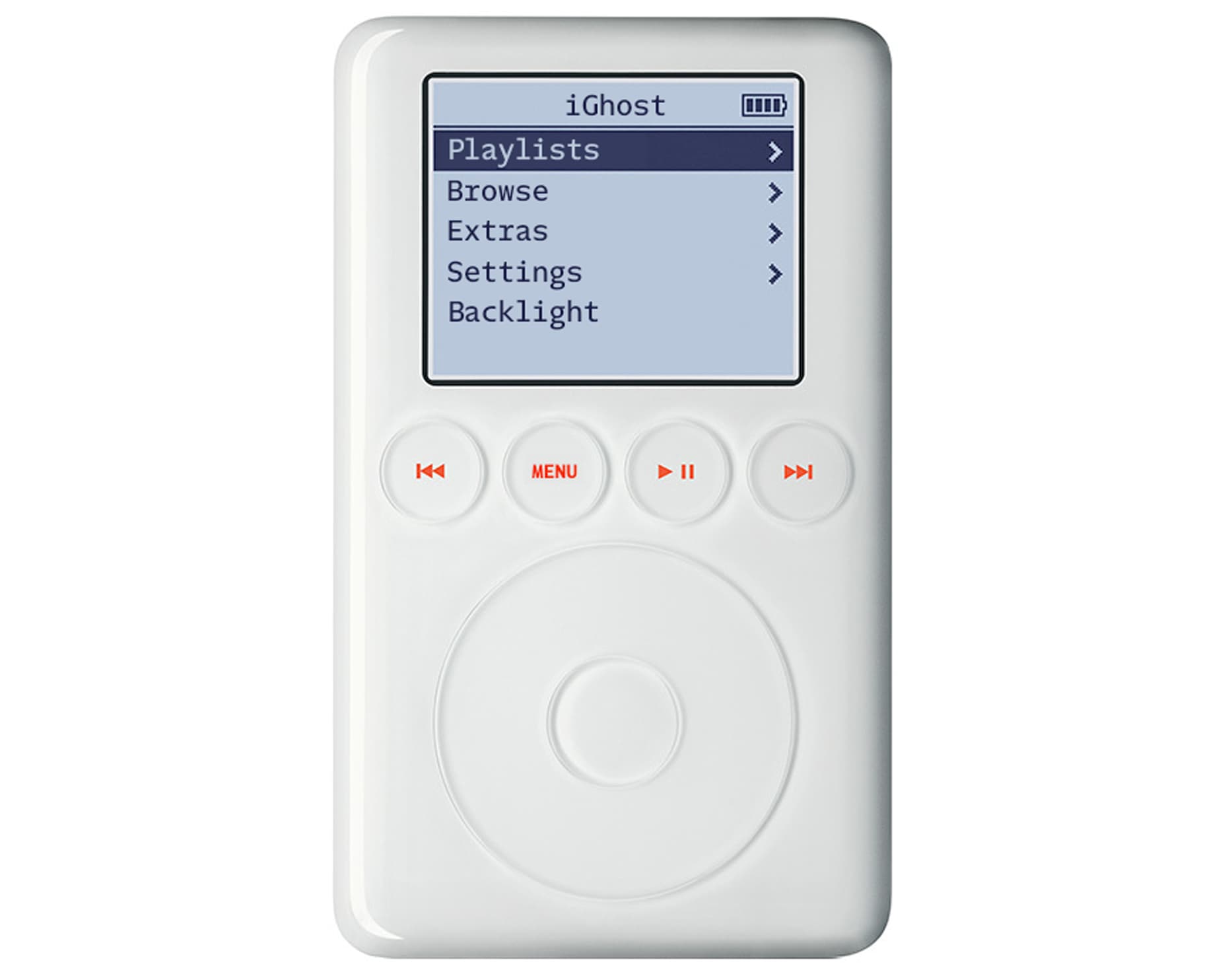
The Y2K-era electronics landscape is defined by a paradox: it was the last period in which the household required a multitude of specialised devices to perform what would, within a decade, become the unified function of a single rectangular slab. The iPod, the digital camera, the PDA, the mobile telephone, the portable game system, the video player, the MP3 player, the alarm clock, the calculator, the address book, the map, the level, the flashlight, the tape recorder, and the thermometer were all individual products, each with its own enclosure, charger, and cable. The smartphone transition, generally dated to the introduction of the iPhone on June 29, 2007, did not so much replace these devices as collapse them. The objects in this index are therefore artefacts not only of a particular aesthetic moment but of a particular ecological one, in which the diversity of the consumer-electronics landscape was at its historical maximum. The smartphone transition, generally dated to the introduction of the iPhone on June 29, 2007, did not so much replace these devices as collapse them. The objects in this index are therefore artefacts not only of a particular aesthetic moment but of a particular ecological one, in which the diversity of the consumer-electronics landscape was at its historical maximum. The Y2K-era electronics landscape is defined by a paradox: it was the last period in which the household required a multitude of specialised devices to perform what would, within a decade, become the unified function of a single rectangular slab. The iPod, the digital camera, the PDA, the mobile telephone, the portable game system, the video player, the MP3 player, the alarm clock, the calculator, the address book, the map, the level, the flashlight, the tape recorder, and the thermometer were all individual products, each with its own enclosure, charger, and cable. The smartphone transition, generally dated to the introduction of the iPhone on June 29, 2007, did not so much replace these devices as collapse them. The objects in this index are therefore artefacts not only of a particular aesthetic moment but of a particular ecological one, in which the diversity of the consumer-electronics landscape was at its historical maximum. The smartphone transition, generally dated to the introduction of the iPhone on June 29, 2007, did not so much replace these devices as collapse them. The objects in this index are therefore artefacts not only of a particular aesthetic moment but of a particular ecological one, in which the diversity of the consumer-electronics landscape was at its historical maximum.
▼
▼
Regular
23
The Razr V3 was an ultra-thin clamshell mobile telephone designed by Chris Arnholt under the codename Razor, with the name later shortened by marketing executive Geoffrey Frost. 33 MHz PowerPC G3 processor, 32 MB of RAM, a 4 GB hard drive, a tray-loading CD-ROM drive, two USB ports, and a 15-inch CRT at 1024×768 resolution, all integrated into a single curved enclosure designed by Jony Ive's team. It shipped with Mac OS 8.1 and notably omitted both the floppy drive and Apple's previous SCSI and ADB. North America. Directed by Yoshiaki Koizumi. The game restructures the 3D platformer around small spherical worlds with their own gravitational fields, permitting Mario to walk around planetoids and traverse galaxies via launch stars. It was the first Super Mario game to feature an orchestrated score, composed by Mahito Yokota and Koji Kondo and performed by an eighty-piece orchestra. A direct sequel, Super Mario Galaxy 2, was released for the Wii on May 23, 2010, retaining the original's gravitational mechanics while restructuring the experience around a more linear progression and introducing rideable Yoshis with new transformation abilities.
Italic
23
Released by Nokia in September 2000 as the successor to the Nokia 3210. The 3310 housed a monochrome LCD with a five-line text display, a 900/1800 MHz dual-band GSM modem, an 84-by-48-pixel screen, the Snake II game, the T9 predictive text input system. Super Nintendo Entertainment System in North America on August 13, 1991. The game introduced Yoshi, the green dinosaur companion who can swallow enemies and gain temporary abilities by ingesting different-coloured Koopa shells. The cape feather replaced earlier flight power-ups, and the level structure expanded to include branching paths, secret exits, and the over-arching Star Road. Super Mario World is generally considered the most refined of the 2D Mario platformers and was followed in 1995 by Super Mario World 2: Yoshi's Island, a stylistically distinct prequel rendered in hand-drawn crayon textures and starring Yoshi as the principal protagonist.
Regular
16
33 MHz PowerPC G3 processor, 32 MB of RAM, a 4 GB hard drive, a tray-loading CD-ROM drive, two USB ports, and a 15-inch CRT at 1024×768 resolution, all integrated into a single curved enclosure designed by Jony Ive's team. It shipped with Mac OS 8.1 and notably omitted both the floppy drive and Apple's previous SCSI and ADB. Sony CD Walkman D-EJ01 Released in 1999 by Sony as the Walkman 20th Anniversary Edition. A portable compact disc player housed in a magnesium-alloy casing. distinguished by the only slot-loading mechanism ever fitted to a portable CD player and an oval remote control. All integrated into a single curved enclosure designed by Jony Ive's team. It shipped with Mac OS 8.1 and notably omitted both the floppy drive and Apple's previous SCSI and ADB Sony CD Walkman D-EJ01 Released in 1999 by Sony as the Walkman 20th Anniversary Edition. A portable compact disc player housed in a magnesium-alloy casing. distinguished by the only slot-loading mechanism ever fitted to a portable CD player and an oval remote control.
Italic
16
Sony CD Walkman D-EJ01 Released in 1999 by Sony as the Walkman 20th Anniversary Edition. A portable compact disc player housed in a magnesium-alloy casing. distinguished by the only slot-loading mechanism ever fitted to a portable CD player and an oval remote control. All integrated into a single curved enclosure designed by Jony Ive's team. It shipped with Mac OS 8.1 and notably omitted both the floppy drive and Apple's previous SCSI and ADB Sony CD Walkman D-EJ01 Released in 1999 by Sony as the Walkman 20th Anniversary Edition. A portable compact disc player housed in a magnesium-alloy casing. distinguished by the only slot-loading mechanism ever fitted to a portable CD player and an oval remote control. Sony CD Walkman D-EJ01 Released in 1999 by Sony as the Walkman 20th Anniversary Edition. A portable compact disc player housed in a magnesium-alloy casing. distinguished by the only slot-loading mechanism ever fitted to a portable CD player and an oval remote control. All integrated into a single curved enclosure designed by Jony Ive's team. It shipped with Mac OS 8.1 and notably omitted both the floppy drive and Apple's previous SCSI and ADB Sony CD Walkman D-EJ01 Released in 1999 by Sony as the Walkman 20th Anniversary Edition. A portable compact disc player housed in a magnesium-alloy casing. distinguished by the only slot-loading mechanism ever fitted to a portable CD player and an oval remote control

▼
Regular
10
Released August 15, 1998, by Apple Computer. The first major product launched after Steve Jobs returned to the company in 1997, and the design that single-handedly rehabilitated translucent plastic as a consumer aesthetic. The original Bondi Blue model housed a 233 MHz PowerPC G3 processor, 32 MB of RAM, a 4 GB hard drive, a tray-loading CD-ROM drive, two USB ports, and a 15-inch CRT at 1024×768 resolution, all integrated into a single curved enclosure designed by Jony Ive's team. It shipped with Mac OS 8.1 and notably omitted both the floppy drive and Apple's previous SCSI and ADB ports. In January 1999, Apple introduced five additional colourways—Blueberry, Strawberry, Tangerine, Grape, and Lime—followed later by Graphite, Indigo, Ruby, Sage, Snow, and the patterned Blue Dalmatian and Flower Power editions in 2001. The line sold approximately six million units before its discontinuation in 2003. Released August 15, 1998, by Apple Computer. The first major product launched after Steve Jobs returned to the company in 1997, and the design that single-handedly rehabilitated translucent plastic as a consumer aesthetic. The original Bondi Blue model housed a 233 MHz PowerPC G3 processor, 32 MB of RAM, a 4 GB hard drive, a tray-loading CD-ROM drive, two USB ports, and a 15-inch CRT at 1024×768 resolution, all integrated into a single curved enclosure designed by Jony Ive's team. It shipped with Mac OS 8.1 and notably omitted both the floppy drive and Apple's previous SCSI and ADB ports. In January 1999, Apple introduced five additional colourways—Blueberry, Strawberry, Tangerine, Grape, and Lime—followed later by Graphite, Indigo, Ruby, Sage, Snow, and the patterned Blue Dalmatian and Flower Power editions in 2001. The line sold approximately six million units before its discontinuation in 2003.
Italic
10
Released in 1999 by Sony as the Walkman 20th Anniversary Edition. A portable compact disc player housed in a magnesium-alloy casing, distinguished by the only slot-loading mechanism ever fitted to a portable CD player and an oval remote control colloquially referred to as the "eye". The device offered up to sixty-two hours of combined playback when paired with its external battery case, supported CD-Text display, included Sony's G-Protection anti-skip technology, and could function as an optical source for MiniDisc recording via its TOSLINK output. The D-EJ01 occupied the high end of a broader CD Walkman line that included models like the D-EJ011 and D-EJ100 series, which became the standard portable music device of the period before being displaced by hard-drive and flash-memory players in the early-to-mid 2000s. Released in 1999 by Sony as the Walkman 20th Anniversary Edition. A portable compact disc player housed in a magnesium-alloy casing, distinguished by the only slot-loading mechanism ever fitted to a portable CD player and an oval remote control colloquially referred to as the "eye". The device offered up to sixty-two hours of combined playback when paired with its external battery case, supported CD-Text display, included Sony's G-Protection anti-skip technology, and could function as an optical source for MiniDisc recording via its TOSLINK output. The D-EJ01 occupied the high end of a broader CD Walkman line that included models like the D-EJ011 and D-EJ100 series, which became the standard portable music device of the period before being displaced by hard-drive and flash-memory players in the early-to-mid 2000s. Released in 1999 by Sony as the Walkman 20th Anniversary Edition. A portable compact disc player housed in a magnesium-alloy casing, distinguished by the only slot-loading mechanism ever fitted to a portable CD player and an oval remote control colloquially referred to as the "eye". The device offered up to sixty-two hours of combined playback when paired with its external battery case, supported CD-Text display, included Sony's G-Protection anti-skip technology, and could function as an optical source for MiniDisc recording via its TOSLINK output. The D-EJ01 occupied the high end of a broader CD Walkman line that included models like the D-EJ011 and D-EJ100 series, which became the standard portable music device of the period before being displaced by hard-drive and flash-memory players in the early-to-mid 2000s. Released in 1999 by Sony as the Walkman 20th Anniversary Edition. A portable compact disc player housed in a magnesium-alloy casing, distinguished by the only slot-loading mechanism ever fitted to a portable CD player and an oval remote control colloquially referred to as the "eye". The device offered up to sixty-two hours of combined playback when paired with its external battery case, supported CD-Text display, included Sony's G-Protection anti-skip technology, and could function as an optical source for MiniDisc recording via its TOSLINK output. The D-EJ01 occupied the high end of a broader CD Walkman line that included models like the D-EJ011 and D-EJ100 series, which became the standard portable music device of the period before being displaced by hard-drive and flash-memory players in the early-to-mid 2000s.
Video

Italic
10
Unveiled by Motorola CEO Edward Zander at a presentation in Chicago on July 27, 2004, with retail release in November 2004. The Razr V3 was an ultra-thin clamshell mobile telephone designed by Chris Arnholt under the codename Razor, with the name later shortened by marketing executive Geoffrey Frost. The device measured under 14 millimetres thick when folded, used an aluminium body, an electroluminescent keypad cut from a single metal wafer, and an external glass screen rather than the plastic windows used by competitors. Internal specifications were comparable to Motorola's mid-range V500 and V600 series and included a quad-band GSM modem, Bluetooth, a VGA-resolution camera, a WAP 2.0 browser, and Mini-USB charging. The original device launched at $500 and was reduced to as little as $99 with a two-year carrier contract. By July 2006 Motorola had reported sales of fifty million units; the Razr line eventually sold approximately 130 million units and remains the best-selling clamshell phone in history. Unveiled by Motorola CEO Edward Zander at a presentation in Chicago on July 27, 2004, with retail release in November 2004. The Razr V3 was an ultra-thin clamshell mobile telephone designed by Chris Arnholt under the codename Razor, with the name later shortened by marketing executive Geoffrey Frost. The device measured under 14 millimetres thick when folded, used an aluminium body, an electroluminescent keypad cut from a single metal wafer, and an external glass screen rather than the plastic windows used by competitors. Internal specifications were comparable to Motorola's mid-range V500 and V600 series and included a quad-band GSM modem, Bluetooth, a VGA-resolution camera, a WAP 2.0 browser, and Mini-USB charging. The original device launched at $500 and was reduced to as little as $99 with a two-year carrier contract. By July 2006 Motorola had reported sales of fifty million units; the Razr line eventually sold approximately 130 million units and remains the best-selling clamshell phone in history. Unveiled by Motorola CEO Edward Zander at a presentation in Chicago on July 27, 2004, with retail release in November 2004. The Razr V3 was an ultra-thin clamshell mobile telephone designed by Chris Arnholt under the codename Razor, with the name later shortened by marketing executive Geoffrey Frost. The device measured under 14 millimetres thick when folded, used an aluminium body, an electroluminescent keypad cut from a single metal wafer, and an external glass screen rather than the plastic windows used by competitors. Internal specifications were comparable to Motorola's mid-range V500 and V600 series and included a quad-band GSM modem, Bluetooth, a VGA-resolution camera, a WAP 2.0 browser, and Mini-USB charging. The original device launched at $500 and was reduced to as little as $99 with a two-year carrier contract. By July 2006 Motorola had reported sales of fifty million units; the Razr line eventually sold approximately 130 million units and remains the best-selling clamshell phone in history. Unveiled by Motorola CEO Edward Zander at a presentation in Chicago on July 27, 2004, with retail release in November 2004. The Razr V3 was an ultra-thin clamshell mobile telephone designed by Chris Arnholt under the codename Razor, with the name later shortened by marketing executive Geoffrey Frost. The device measured under 14 millimetres thick when folded, used an aluminium body, an electroluminescent keypad cut from a single metal wafer, and an external glass screen rather than the plastic windows used by competitors. Internal specifications were comparable to Motorola's mid-range V500 and V600 series and included a quad-band GSM modem, Bluetooth, a VGA-resolution camera, a WAP 2.0 browser, and Mini-USB charging. The original device launched at $500 and was reduced to as little as $99 with a two-year carrier contract. By July 2006 Motorola had reported sales of fifty million units; the Razr line eventually sold approximately 130 million units and remains the best-selling clamshell phone in history.
▼
▼
Medium
23
Tamagotchi was released by Bandai in Japan and on May 1, 1997, in the United States. Co-created by Akihiro Yokoi of WiZ and Aki Maita of Bandai, who jointly received the 1997 Ig Nobel Prize in Economics for the toy's measurable effect on global productivity. The game returns the series to the open-ended sandbox structure of Super Mario 64 and Super Mario Sunshine. Mario travels between distinct kingdoms via an airship, the Odyssey, in pursuit of Bowser, who has kidnapped Peach in order to forcibly marry her. The game introduces Cappy, a sentient hat from the Cap Kingdom whose abilities permit Mario to "capture" enemies and objects—possessing them temporarily and inheriting their movement properties. Odyssey has sold over twenty-eight million units as of 2024 and is the best-selling Super Mario game of the modern era.
Medium Italic
23
The device became one of the most-produced phones in history, with approximately 126 million units sold across its production run, and acquired a cultural reputation for indestructibility that has persisted into the meme economy of the present. The 3310 was relaunched in 2017 by HMD Global as a feature-phone reissue with a colour screen and updated radio. The game returns the series to the open-ended sandbox structure of Super Mario 64 and Super Mario Sunshine. Mario travels between distinct kingdoms via an airship, the Odyssey, in pursuit of Bowser, who has kidnapped Peach in order to forcibly marry her. The game introduces Cappy, a sentient hat from the Cap Kingdom whose abilities permit Mario to "capture" enemies and objects—possessing them temporarily and inheriting their movement properties. Odyssey has sold over twenty-eight million units as of 2024 and is the best-selling Super Mario game of the modern era.
Medium
16
CompactFlash, Memory Stick, or xD-Picture Card storage, displayed images on small rear LCDs, and connected to host computers through USB 1.1 or, in earlier models, serial cables. Photographs were small, colour-shifted, often blurred, and frequently dated in the corner by an LCD that had been set to the wrong year in 1998 and never updated. The flash photograph taken at arm's length and angled downward established compositional conventions that anticipated the front-facing camera by nearly a decade. Nikon Coolpix 990 (2000, 3.34 megapixels), and the Olympus Stylus 300 (2003, 3.2 megapixels). The period's cameras typically housed CCD sensors of two to five megapixels, used SmartMedia, Programming block on Cartoon Network that launched September 2, 2001, at 10:00 p.m. ET, with the previously shelved Home Movies episode "Director's Cut" airing as the official premiere. The block was developed by Mike Lazzo at Williams Street Studios, the same Atlanta-based production unit responsible for Space Ghost Coast to Coast. The initial lineup included Home Movies, Space Ghost Coast to Coast, The Brak Show, Sealab 2021, Harvey Birdman, Attorney at Law, and the anime series Cowboy Bebop. Aqua Teen Hunger Force premiered shortly after. The block initially ran from 10:00 p.m. to 1:00 a.m. on Sundays, with full repeats on Thursdays. The name refers to the policy at public swimming pools of clearing children from the water during designated adult-only intervals. Bumpers used white Helvetica on black backgrounds with minimal music, a deliberately cheap aesthetic that became the block's signature.
Medium Italic
16
Nikon Coolpix 990 (2000, 3.34 megapixels), and the Olympus Stylus 300 (2003, 3.2 megapixels). The period's cameras typically housed CCD sensors of two to five megapixels, used SmartMedia, CompactFlash, Memory Stick, or xD-Picture Card storage, displayed images on small rear LCDs, and connected to host computers through USB 1.1 or, in earlier models, serial cables. Photographs were small, colour-shifted, often blurred, and frequently dated in the corner by an LCD that had been set to the wrong year in 1998 and never updated. The flash photograph taken at arm's length and angled downward established compositional conventions that anticipated the front-facing camera by nearly a decade. Released by America Online on May 7, 1997, as a standalone application available to non-AOL users. The client introduced the buddy list, the away message, the door-creak login sound, and the screen name as an identity object. At its 2001 peak, AIM had approximately fifty-three million active users in the United States. Profiles permitted brief biographical information and song lyrics. Users frequently constructed elaborate away messages indicating their location, mood, or plans, which functioned as an early form of public status update. AIM was shut down on December 15, 2017, after years of declining use, but its conventions persisted through every subsequent messaging product.
Medium
10
CompactFlash, Memory Stick, or xD-Picture Card storage, displayed images on small rear LCDs, and connected to host computers through USB 1.1 or, in earlier models, serial cables. Photographs were small, colour-shifted, often blurred, and frequently dated in the corner by an LCD that had been set to the wrong year in 1998 and never updated. The flash photograph taken at arm's length and angled downward established compositional conventions that anticipated the front-facing camera by nearly a decade. Nikon Coolpix 990 (2000, 3.34 megapixels), and the Olympus Stylus 300 (2003, 3.2 megapixels). The period's cameras typically housed CCD sensors of two to five megapixels, used SmartMedia, Nikon Coolpix 990 (2000, 3.34 megapixels), and the Olympus Stylus 300 (2003, 3.2 megapixels). The period's cameras typically housed CCD sensors of two to five megapixels, used SmartMedia, CompactFlash, Memory Stick, or xD-Picture Card storage, displayed images on small rear LCDs, and connected to host computers through USB 1.1 or, in earlier models, serial cables. Photographs were small, colour-shifted, often blurred, and frequently dated in the corner by an LCD that had been set to the wrong year in 1998 and never updated. The flash photograph taken at arm's length and angled downward established compositional conventions that anticipated the front-facing camera by nearly a decade. CompactFlash, Memory Stick, or xD-Picture Card storage, displayed images on small rear LCDs, and connected to host computers through USB 1.1 or, in earlier models, serial cables. Photographs were small, colour-shifted, often blurred, and frequently dated in the corner by an LCD that had been set to the wrong year in 1998 and never updated. The flash photograph taken at arm's length and angled downward established compositional conventions that anticipated the front-facing camera by nearly a decade. Nikon Coolpix 990 (2000, 3.34 megapixels), and the Olympus Stylus 300 (2003, 3.2 megapixels). The period's cameras typically housed CCD sensors of two to five megapixels, used SmartMedia, Nikon Coolpix 990 (2000, 3.34 megapixels), and the Olympus Stylus 300 (2003, 3.2 megapixels). The period's cameras typically housed CCD sensors of two to five megapixels, used SmartMedia, CompactFlash, Memory Stick, or xD-Picture Card storage, displayed images on small rear LCDs, and connected to host computers through USB 1.1 or, in earlier models, serial cables. Photographs were small, colour-shifted, often blurred, and frequently dated in the corner by an LCD that had been set to the wrong year in 1998 and never updated. The flash photograph taken at arm's length and angled downward established compositional conventions that anticipated the front-facing camera by nearly a decade.
Medium Italic
10
Nikon Coolpix 990 (2000, 3.34 megapixels), and the Olympus Stylus 300 (2003, 3.2 megapixels). The period's cameras typically housed CCD sensors of two to five megapixels, used SmartMedia, CompactFlash, Memory Stick, or xD-Picture Card storage, displayed images on small rear LCDs, and connected to host computers through USB 1.1 or, in earlier models, serial cables. Photographs were small, colour-shifted, often blurred, and frequently dated in the corner by an LCD that had been set to the wrong year in 1998 and never updated. The flash photograph taken at arm's length and angled downward established compositional conventions that anticipated the front-facing camera by nearly a decade. Nikon Coolpix 990 (2000, 3.34 megapixels), and the Olympus Stylus 300 (2003, 3.2 megapixels). The period's cameras typically housed CCD sensors of two to five megapixels, used SmartMedia, CompactFlash, Memory Stick, or xD-Picture Card storage, displayed images on small rear LCDs, and connected to host computers through USB 1.1 or, in earlier models, serial cables. Photographs were small, colour-shifted, often blurred, and frequently dated in the corner by an LCD that had been set to the wrong year in 1998 and never updated. The flash photograph taken at arm's length and angled downward established compositional conventions that anticipated the front-facing camera by nearly a decade. Nikon Coolpix 990 (2000, 3.34 megapixels), and the Olympus Stylus 300 (2003, 3.2 megapixels). The period's cameras typically housed CCD sensors of two to five megapixels, used SmartMedia, CompactFlash, Memory Stick, or xD-Picture Card storage, displayed images on small rear LCDs, and connected to host computers through USB 1.1 or, in earlier models, serial cables. Photographs were small, colour-shifted, often blurred, and frequently dated in the corner by an LCD that had been set to the wrong year in 1998 and never updated. The flash photograph taken at arm's length and angled downward established compositional conventions that anticipated the front-facing camera by nearly a decade. Nikon Coolpix 990 (2000, 3.34 megapixels), and the Olympus Stylus 300 (2003, 3.2 megapixels). The period's cameras typically housed CCD sensors of two to five megapixels, used SmartMedia, CompactFlash, Memory Stick, or xD-Picture Card storage, displayed images on small rear LCDs, and connected to host computers through USB 1.1 or, in earlier models, serial cables. Photographs were small, colour-shifted, often blurred, and frequently dated in the corner by an LCD that had been set to the wrong year in 1998 and never updated. The flash photograph taken at arm's length and angled downward established compositional conventions that anticipated the front-facing camera by nearly a decade.
Medium
10
A material and aesthetic phenomenon rather than a single product. Beginning with the iMac G3 in 1998, semi-transparent injection-moulded polycarbonate spread quickly across consumer goods: the Game Boy Color's Atomic Purple shell, the Nintendo 64's Funtastic colourways, the Dreamcast's swirl, telephones, kettles, hairdryers, mice, scanners, novelty staplers, and the original Xbox controller's special editions all participated. The aesthetic logic was consistent across categories: opacity is hiding something, transparency is honest, and colour is no longer a feminine concession but a default state of being. The material returned to fashion runways and product design in the late 2010s as part of the broader Y2K revival, and remains the period's most-recognised industrial-design signature. Funtastic colourways, the Dreamcast's swirl, telephones, kettles, hairdryers, mice, scanners, novelty staplers, and the original Xbox controller's special editions all participated. The aesthetic logic was consistent across categories: opacity is hiding something, transparency is honest, and colour is no longer a feminine concession but a default state of being. The material returned to fashion runways and product design in the late 2010s as part of the broader Y2K revival, and remains the period's most-recognised industrial-design signature. A material and aesthetic phenomenon rather than a single product. Beginning with the iMac G3 in 1998, semi-transparent injection-moulded polycarbonate spread quickly across consumer goods: the Game Boy Color's Atomic Purple shell, the Nintendo 64's Funtastic colourways, the Dreamcast's swirl, telephones, kettles, hairdryers, mice, scanners, novelty staplers, and the original Xbox controller's special editions all participated. The aesthetic logic was consistent across categories: opacity is hiding something, transparency is honest, and colour is no longer a feminine concession but a default state of being. The material returned to fashion runways and product design in the late 2010s as part of the broader Y2K revival, and remains the period's most-recognised industrial-design signature. Funtastic colourways, the Dreamcast's swirl, telephones, kettles, hairdryers, mice, scanners, novelty staplers, and the original Xbox controller's special editions all participated. The aesthetic logic was consistent across categories: opacity is hiding something, transparency is honest, and colour is no longer a feminine concession but a default state of being. The material returned to fashion runways and product design in the late 2010s as part of the broader Y2K revival, and remains the period's most-recognised industrial-design signature.
Medium Italic
10
The Y2K-era electronics landscape is defined by a paradox: it was the last period in which the household required a multitude of specialised devices to perform what would, within a decade, become the unified function of a single rectangular slab. The iPod, the digital camera, the PDA, the mobile telephone, the portable game system, the video player, the MP3 player, the alarm clock, the calculator, the address book, the map, the level, the flashlight, the tape recorder, and the thermometer were all individual products, each with its own enclosure, charger, and cable. The smartphone transition, generally dated to the introduction of the iPhone on June 29, 2007, did not so much replace these devices as collapse them. The objects in this index are therefore artefacts not only of a particular aesthetic moment but of a particular ecological one, in which the diversity of the consumer-electronics landscape was at its historical maximum. The smartphone transition, generally dated to the introduction of the iPhone on June 29, 2007, did not so much replace these devices as collapse them. The objects in this index are therefore artefacts not only of a particular aesthetic moment but of a particular ecological one, in which the diversity of the consumer-electronics landscape was at its historical maximum. The Y2K-era electronics landscape is defined by a paradox: it was the last period in which the household required a multitude of specialised devices to perform what would, within a decade, become the unified function of a single rectangular slab. The iPod, the digital camera, the PDA, the mobile telephone, the portable game system, the video player, the MP3 player, the alarm clock, the calculator, the address book, the map, the level, the flashlight, the tape recorder, and the thermometer were all individual products, each with its own enclosure, charger, and cable. The smartphone transition, generally dated to the introduction of the iPhone on June 29, 2007, did not so much replace these devices as collapse them. The objects in this index are therefore artefacts not only of a particular aesthetic moment but of a particular ecological one, in which the diversity of the consumer-electronics landscape was at its historical maximum. The smartphone transition, generally dated to the introduction of the iPhone on June 29, 2007, did not so much replace these devices as collapse them. The objects in this index are therefore artefacts not only of a particular aesthetic moment but of a particular ecological one, in which the diversity of the consumer-electronics landscape was at its historical maximum.
▼
▼
SemiBold
23
The Dreamcast featured a 200 MHz Hitachi SH-4 CPU, a PowerVR2 graphics processor, 16 MB of system RAM, a built-in 56k modem for online play, and a proprietary GD-ROM optical disc format. The console's Visual Memory Unit, a memory-card-and-secondary-screen hybrid that fitted into the controller, anticipated later second-screen gaming concepts by more than a decade. Despite critical acclaim, weak software sales and competition from the imminent PlayStation 2 led Sega to discontinue the console on March 31, 2001. A series of digital-board-game compilations beginning with Mario Party for the Nintendo 64 on December 18, 1998, originally developed by Hudson Soft and later, from Mario Party 9 onward, by NDcube. Each entry presents a virtual board on which up to four players move using dice rolls, collecting coins and stars while contesting minigames at the end of each turn. The series is responsible for a substantial proportion of the franchise's reputation as a vehicle for casual social play and for the destruction of childhood friendships, an effect produced by the genre's combination of luck-based scoring and competitive minigame design. The most recent main entry, Super Mario Party Jamboree, was released for the Nintendo Switch on October 17, 2024.
SemiBold Italic
23
Game Boy Advance and remains, in retrospect, the canonical handheld of the late 1990s. Atomic Purple, the translucent variant introduced in 1999, has subsequently become one of the period's most-recognised consumer-product. Super Nintendo Entertainment System on August 27, 1992. Designed by Hideki Konno, the original game introduced the conventions of split-screen multiplayer kart racing, item-based combat, and Mode 7 pseudo-3D track rendering. The series has continued through Mario Kart 64 (1996), Mario Kart: Super Circuit (2001), Mario Kart: Double Dash!! (2003), Mario Kart DS (2005), Mario Kart Wii (2008), Mario Kart 7 (2011), Mario Kart 8 (2014), Mario Kart 8 Deluxe (2017), and Mario Kart World (2025). Mario Kart 8 Deluxe has become the best-selling game in the franchise, with over sixty-eight million copies sold across its lifetime, and the series as a whole is the best-selling racing-game franchise in history.
SemiBold
16
The original device is an egg-shaped plastic shell containing a grayscale LCD, three buttons, and a small program in which a virtual creature must be fed, played with, cleaned, and disciplined to maturity. Neglect produces illness or death. The name is a portmanteau of the Japanese tamago (egg) and the loanword uotchi (watch). Over 98 million units have been sold worldwide as of 2025. The Tamagotchi was the first widely successful virtual pet and was followed by Tiger Electronics' Giga Pets, PlayMates' Nano Pets, and Tiger's Furby, which together defined the late-1990s electronic-toy market. The original device is an egg-shaped plastic shell containing a grayscale LCD, three buttons, and a small program in which a virtual creature must be fed, played with, cleaned, and disciplined to maturity. Neglect produces illness or death. The name is a portmanteau of the Japanese tamago (egg) and the loanword uotchi (watch). Over 98 million units have been sold worldwide as of 2025. The Tamagotchi was the first widely successful virtual pet and was followed by Tiger Electronics' Giga Pets, PlayMates' Nano Pets, and Tiger's Furby, which together defined the late-1990s electronic-toy market.
SemiBold Italic
16
It was sold in Berry, Grape, Kiwi, Dandelion, Teal, Atomic Purple, and several limited editions. Backward compatibility with the original Game Boy library meant that Tetris and the first generation of Pokémon games remained playable on the new hardware. The system was succeeded in 2001 by the Game Boy Advance and remains, in retrospect, the canonical handheld of the late 1990s. Atomic Purple, the translucent variant introduced in 1999, has subsequently become one of the period's most-recognised consumer-product It was sold in Berry, Grape, Kiwi, Dandelion, Teal, Atomic Purple, and several limited editions. Backward compatibility with the original Game Boy library meant that Tetris and the first generation of Pokémon games remained playable on the new hardware. The system was succeeded in 2001 by the Game Boy Advance and remains, in retrospect, the canonical handheld of the late 1990s. Atomic Purple, the translucent variant introduced in 1999, has subsequently become one of the period's most-recognised consumer-product
SemiBold
10
Released November 27, 1998, in Japan, September 9, 1999, in North America, and October 14, 1999, in Europe. The first sixth-generation home console, predating the PlayStation 2 by approximately twenty months. The Dreamcast featured a 200 MHz Hitachi SH-4 CPU, a PowerVR2 graphics processor, 16 MB of system RAM, a built-in 56k modem for online play, and a proprietary GD-ROM optical disc format. The console's Visual Memory Unit, a memory-card-and-secondary-screen hybrid that fitted into the controller, anticipated later second-screen gaming concepts by more than a decade. Despite critical acclaim, weak software sales and competition from the imminent PlayStation 2 led Sega to discontinue the console on March 31, 2001, ending the company's hardware business Released November 27, 1998, in Japan, September 9, 1999, in North America, and October 14, 1999, in Europe. The first sixth-generation home console, predating the PlayStation 2 by approximately twenty months. The Dreamcast featured a 200 MHz Hitachi SH-4 CPU, a PowerVR2 graphics processor, 16 MB of system RAM, a built-in 56k modem for online play, and a proprietary GD-ROM optical disc format. The console's Visual Memory Unit, a memory-card-and-secondary-screen hybrid that fitted into the controller, anticipated later second-screen gaming concepts by more than a decade. Despite critical acclaim, weak software sales and competition from the imminent PlayStation 2 led Sega to discontinue the console on March 31, 2001, ending the company's hardware business. Released November 27, 1998, in Japan, September 9, 1999, in North America, and October 14, 1999, in Europe. The first sixth-generation home console, predating the PlayStation 2 by approximately twenty months. The Dreamcast featured a 200 MHz Hitachi SH-4 CPU, a PowerVR2 graphics processor, 16 MB of system RAM, a built-in 56k modem for online play, and a proprietary GD-ROM optical disc format. The console's Visual Memory Unit, a memory-card-and-secondary-screen hybrid that fitted into the controller, anticipated later second-screen gaming concepts by more than a decade. Despite critical acclaim, weak software sales and competition from the imminent PlayStation 2 led Sega to discontinue the console on March 31, 2001, ending the company's hardware business Released November 27, 1998, in Japan, September 9, 1999, in North America, and October 14, 1999, in Europe. The first sixth-generation home console, predating the PlayStation 2 by approximately twenty months. The Dreamcast featured a 200 MHz Hitachi SH-4 CPU, a PowerVR2 graphics processor, 16 MB of system RAM, a built-in 56k modem for online play, and a proprietary GD-ROM optical disc format. The console's Visual Memory Unit, a memory-card-and-secondary-screen hybrid that fitted into the controller, anticipated later second-screen gaming concepts by more than a decade. Despite critical acclaim, weak software sales and competition from the imminent PlayStation 2 led Sega to discontinue the console on March 31, 2001, ending the company's hardware business
SemiBold Italic
10
Released by Nintendo on October 21, 1998, in Japan and on November 18, 1998, in North America. The device housed an 8-bit Z80-derived processor running at 4 or 8 MHz, 32 KB of RAM, and a 160×144-pixel reflective colour LCD with no backlight. It was sold in Berry, Grape, Kiwi, Dandelion, Teal, Atomic Purple, and several limited editions. Backward compatibility with the original Game Boy library meant that Tetris and the first generation of Pokémon games remained playable on the new hardware. The system was succeeded in 2001 by the Game Boy Advance and remains, in retrospect, the canonical handheld of the late 1990s. Atomic Purple, the translucent variant introduced in 1999, has subsequently become one of the period's most-recognised consumer-product Released by Nintendo on October 21, 1998, in Japan and on November 18, 1998, in North America. The device housed an 8-bit Z80-derived processor running at 4 or 8 MHz, 32 KB of RAM, and a 160×144-pixel reflective colour LCD with no backlight. It was sold in Berry, Grape, Kiwi, Dandelion, Teal, Atomic Purple, and several limited editions. Backward compatibility with the original Game Boy library meant that Tetris and the first generation of Pokémon games remained playable on the new hardware. The system was succeeded in 2001 by the Game Boy Advance and remains, in retrospect, the canonical handheld of the late 1990s. Atomic Purple, the translucent variant introduced in 1999, has subsequently become one of the period's most-recognised consumer-product Released by Nintendo on October 21, 1998, in Japan and on November 18, 1998, in North America. The device housed an 8-bit Z80-derived processor running at 4 or 8 MHz, 32 KB of RAM, and a 160×144-pixel reflective colour LCD with no backlight. It was sold in Berry, Grape, Kiwi, Dandelion, Teal, Atomic Purple, and several limited editions. Backward compatibility with the original Game Boy library meant that Tetris and the first generation of Pokémon games remained playable on the new hardware. The system was succeeded in 2001 by the Game Boy Advance and remains, in retrospect, the canonical handheld of the late 1990s. Atomic Purple, the translucent variant introduced in 1999, has subsequently become one of the period's most-recognised consumer-product Released by Nintendo on October 21, 1998, in Japan and on November 18, 1998, in North America. The device housed an 8-bit Z80-derived processor running at 4 or 8 MHz, 32 KB of RAM, and a 160×144-pixel reflective colour LCD with no backlight. It was sold in Berry, Grape, Kiwi, Dandelion, Teal, Atomic Purple, and several limited editions. Backward compatibility with the original Game Boy library meant that Tetris and the first generation of Pokémon games remained playable on the new hardware. The system was succeeded in 2001 by the Game Boy Advance and remains, in retrospect, the canonical handheld of the late 1990s. Atomic Purple, the translucent variant introduced in 1999, has subsequently become one of the period's most-recognised consumer-product
SemiBold
10
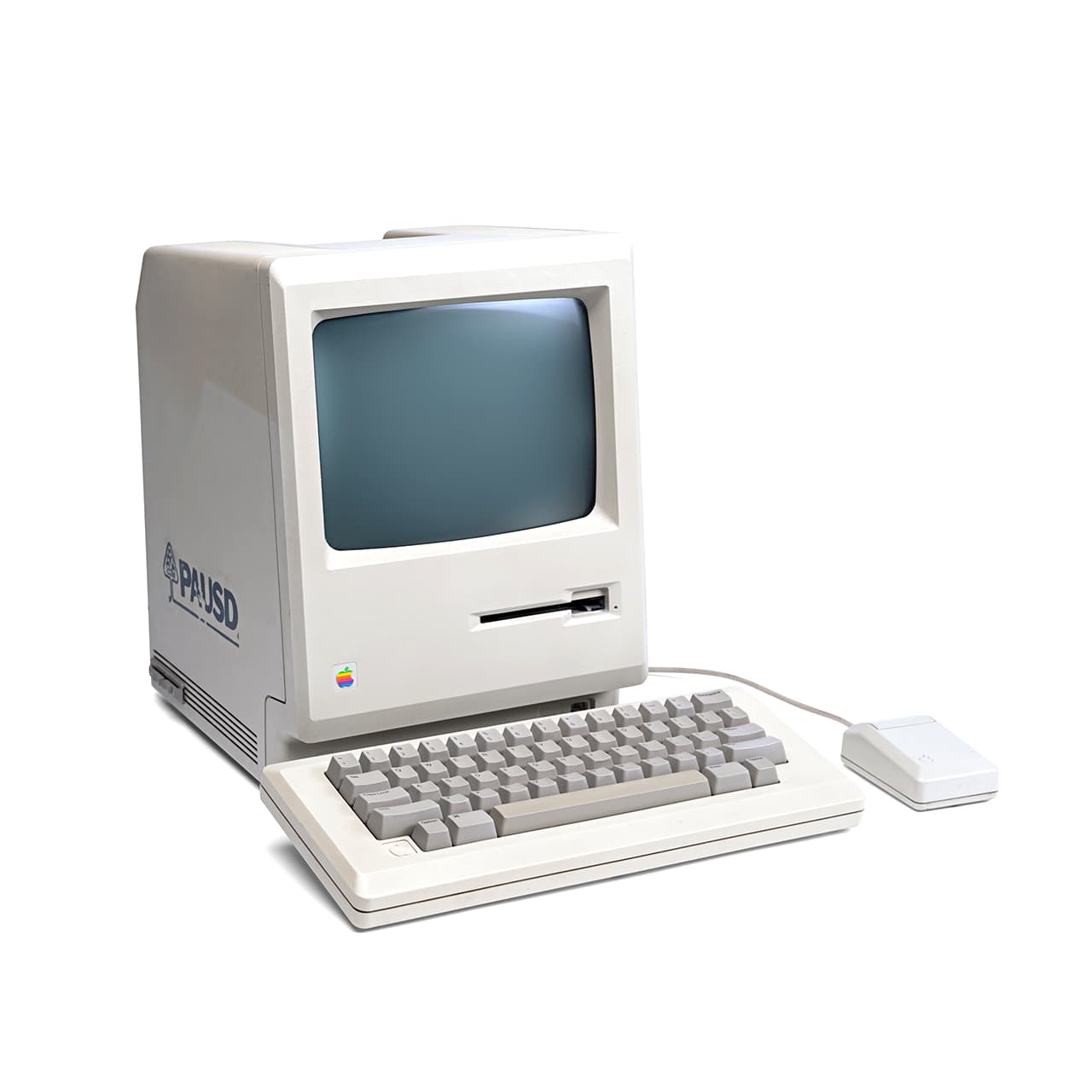
Personal digital assistant line introduced by Palm Computing in March 1996 with the Pilot 1000 and Pilot 5000 models. The Y2K-era flagship was the Palm V, released in February 1999, which housed a 16 MHz Motorola Dragonball EZ processor, 2 MB of RAM, a 160×160-pixel monochrome touchscreen, and was operated principally with a stylus and the Graffiti handwriting recognition system. The Palm V's anodised-aluminium case was designed by IDEO and represented a significant aesthetic departure from earlier plastic-bodied PDAs. The line continued through the Palm m500 series (2001), the Tungsten T (2002), and the Treo smartphone series (from 2002), before the company's gradual decline through the mid-2000s. Palm OS devices defined the consumer-PDA category that the smartphone would eventually subsume. Personal digital assistant line introduced by Palm Computing in March 1996 with the Pilot 1000 and Pilot 5000 models. The Y2K-era flagship was the Palm V, released in February 1999, which housed a 16 MHz Motorola Dragonball EZ processor, 2 MB of RAM, a 160×160-pixel monochrome touchscreen, and was operated principally with a stylus and the Graffiti handwriting recognition system. The Palm V's anodised-aluminium case was designed by IDEO and represented a significant aesthetic departure from earlier plastic-bodied PDAs. The line continued through the Palm m500 series (2001), the Tungsten T (2002), and the Treo smartphone series (from 2002), before the company's gradual decline through the mid-2000s. Palm OS devices defined the consumer-PDA category that the smartphone would eventually subsume. Personal digital assistant line introduced by Palm Computing in March 1996 with the Pilot 1000 and Pilot 5000 models. The Y2K-era flagship was the Palm V, released in February 1999, which housed a 16 MHz Motorola Dragonball EZ processor, 2 MB of RAM, a 160×160-pixel monochrome touchscreen, and was operated principally with a stylus and the Graffiti handwriting recognition system. The Palm V's anodised-aluminium case was designed by IDEO and represented a significant aesthetic departure from earlier plastic-bodied PDAs. The line continued through the Palm m500 series (2001), the Tungsten T (2002), and the Treo smartphone series (from 2002), before the company's gradual decline through the mid-2000s. Palm OS devices defined the consumer-PDA category that the smartphone would eventually subsume. Personal digital assistant line introduced by Palm Computing in March 1996 with the Pilot 1000 and Pilot 5000 models. The Y2K-era flagship was the Palm V, released in February 1999, which housed a 16 MHz Motorola Dragonball EZ processor, 2 MB of RAM, a 160×160-pixel monochrome touchscreen, and was operated principally with a stylus and the Graffiti handwriting recognition system. The Palm V's anodised-aluminium case was designed by IDEO and represented a significant aesthetic departure from earlier plastic-bodied PDAs. The line continued through the Palm m500 series (2001), the Tungsten T (2002), and the Treo smartphone series (from 2002), before the company's gradual decline through the mid-2000s. Palm OS devices defined the consumer-PDA category that the smartphone would eventually subsume.
Computation
▼
▼
Bold
23
The game permits the player to choose between Mario, Luigi, Toad, and Princess Peach, each with distinct movement properties, and replaces the standard enemy-stomping mechanic with the picking up and throwing of vegetables and other objects. Though atypical of the series, Super Mario Bros. 2 is responsible for introducing Shy Guy, Birdo, and Bob-omb to the wider Mario canon. The original Japanese Super Mario Bros. 2 was retroactively localised under the title The Lost Levels. The Mushroom Kingdom is the franchise's principal setting, a realm populated by mushroom-headed Toads and ruled, however nominally, by Princess Peach. Power-ups including the Super Mushroom, Fire Flower, Starman, Super Leaf, Cape Feather, and Wing Cap permit Mario temporary expansions of his capabilities. The green warp pipe, the question-mark block, the brick block, the flagpole, and the underground bonus room recur as environmental constants. Recurring enemies include the Goomba, the Koopa Troopa, the Piranha Plant, the Bullet Bill, the Hammer Bro, the Cheep Cheep, the Lakitu, the Boo, and the Thwomp. Bowser, the King of the Koopas, is the principal antagonist; his children, the Koopalings, were introduced in Super Mario Bros.
Bold Italic
23
Famicom Disk System game Yume Kōjō: Doki Doki Panic, which Nintendo had developed for an unrelated promotional partnership with Fuji Television. The game permits the player to choose between Mario, Luigi, Toad, and Princess Peach, each with distinct movement properties, and replaces the standard enemy-stomping mechanic with the picking up and throwing of vegetables and other objects. Though atypical of the series, Super Mario Bros. 2 is responsible for introducing Shy Guy, Birdo, and Bob-omb to the wider Mario canon. The original Japanese Super Mario Bros. 2 was retroactively localised under the title The Lost Levels. The Mushroom Kingdom is the franchise's principal setting, a realm populated by mushroom-headed Toads and ruled, however nominally, by Princess Peach. Power-ups including the Super Mushroom, Fire Flower, Starman, Super Leaf, Cape Feather, and Wing Cap permit Mario temporary expansions of his capabilities. The green warp pipe, the question-mark block, the brick block, the flagpole, and the underground bonus room recur as environmental constants. Recurring enemies include the Goomba, the Koopa Troopa, the Piranha Plant, the Bullet Bill, the Hammer Bro, the Cheep Cheep, the Lakitu, the Boo, and the Thwomp. Bowser, the King of the Koopas, is the principal antagonist; his children, the Koopalings, were introduced in Super Mario Bros.
Bold
16
Released for the Famicom on October 23, 1988, and for the NES in North America on February 12, 1990. Directed by Miyamoto, designed by Tezuka, and considered by many critics to be the finest game on the platform. The title introduced the world-map overworld, the Super Leaf and Tanooki Suit transformation power-ups, the Koopa Kids as a distinct group of bosses, airships as level types, and a vastly expanded vocabulary of level themes including desert, ice, water, sky, and giant-scale environments. The game's North American release was preceded by a substantial promotional campaign, including the 1989 film The Wizard, in which the game's existence was teased before its commercial debut. Free web-hosting service founded in 1994 by David Bohnett and John Rezner, originally as Beverly Hills Internet. Pages were organized into themed virtual neighborhoods with names such as Hollywood (entertainment), Area51 (science fiction), SunsetStrip (rock and punk), and Heartland (family and home). Each user received a numbered address within their chosen neighborhood. Yahoo acquired GeoCities in January 1999 for approximately $3.57 billion in stock. The service was shut down in the United States on October 26, 2009, with most user pages deleted; large archival projects, notably by the Internet Archive and the volunteer Archive Team, preserved a substantial fraction of the content. GeoCities remains the most complete record of an amateur, decorative, structurally optimistic web that no longer exists.
Bold Italic
16
The game permits the player to choose between Mario, Luigi, Toad, and Princess Peach, each with distinct movement properties, and replaces the standard enemy-stomping mechanic with the picking up and throwing of vegetables and other objects. Though atypical of the series, Super Mario Bros. 2 is responsible for introducing Shy Guy, Birdo, and Bob-omb to the wider Mario canon. The original Japanese Super Mario Bros. 2 was retroactively localised under the title The Lost Levels. Famicom Disk System game Yume Kōjō: Doki Doki Panic, which Nintendo had developed for an unrelated promotional partnership with Fuji Television. The game permits the player to choose between Mario, Luigi, Toad, and Princess Peach, each with distinct movement properties, and replaces the standard enemy-stomping mechanic with the picking up and throwing of vegetables and other objects. Though atypical of the series, Super Mario Bros. 2 is responsible for introducing Shy Guy, Birdo, and Bob-omb to the wider Mario canon. The original Japanese Super Mario Bros. 2 was retroactively localised under the title The Lost Levels. The Mushroom Kingdom is the franchise's principal setting, a realm populated by mushroom-headed Toads and ruled, however nominally, by Princess Peach. Power-ups including the Super Mushroom, Fire Flower, Starman, Super Leaf, Cape Feather, and Wing Cap permit Mario temporary expansions of his capabilities. The green warp pipe, the question-mark block, the brick block, the flagpole, and the underground bonus room recur as environmental constants. Recurring enemies include the Goomba, the Koopa Troopa, the Piranha Plant, the Bullet Bill, the Hammer Bro, the Cheep Cheep, the Lakitu, the Boo, and the Thwomp. Bowser, the King of the Koopas, is the principal antagonist; his children, the Koopalings, were introduced in Super Mario Bros.
Ghost Text SemiMono
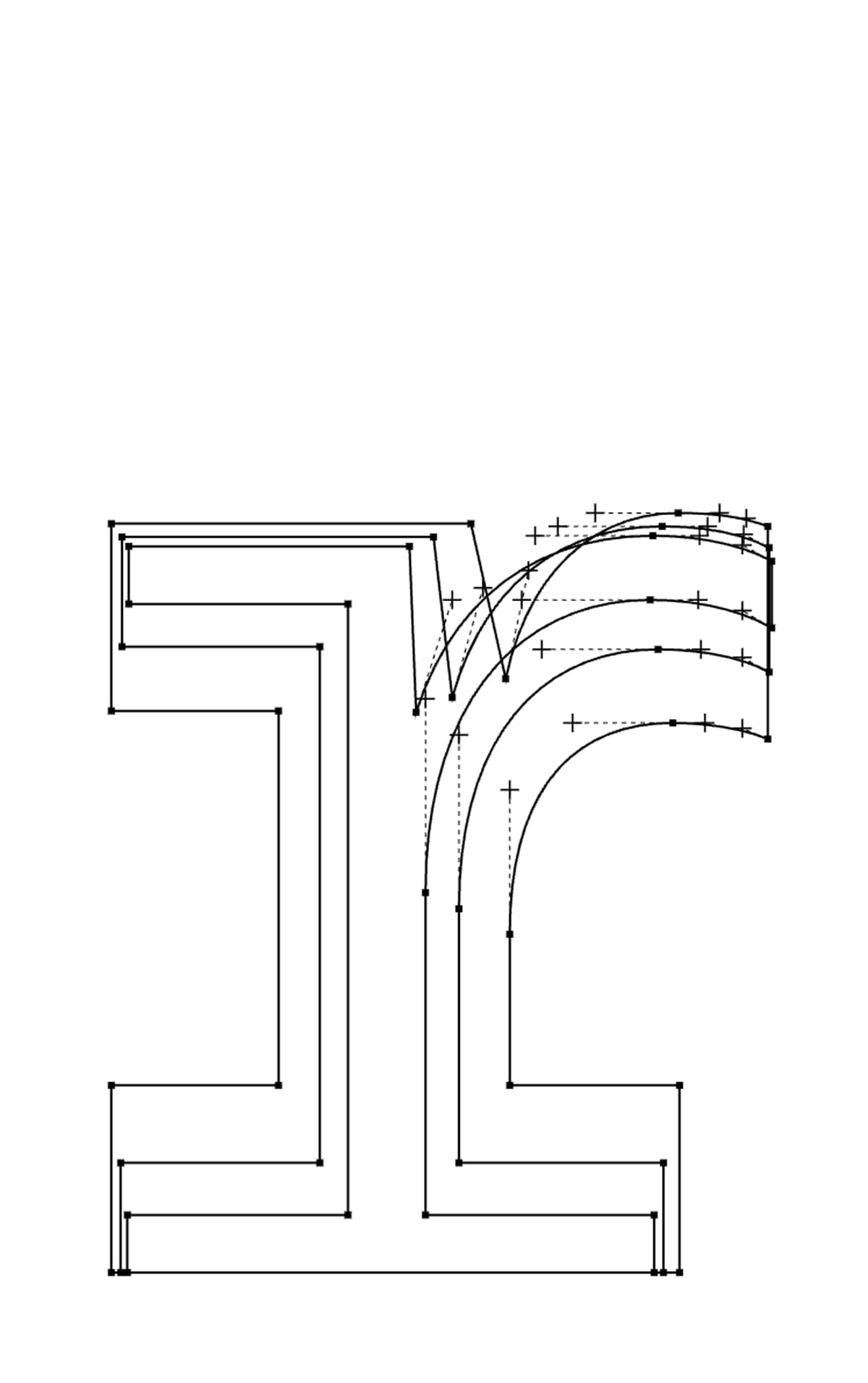
Bold Italic
10
Nintendo 64 on June 23, 1996, in Japan and on September 29, 1996, in North America. Developed by Nintendo EAD under the direction of Shigeru Miyamoto, with production beginning on September 7, 1994, and concluding on May 20, 1996. The first 3D Mario game and a launch title for the Nintendo 64. The player navigates Mario through fifteen distinct courses entered via magical paintings inside Princess Peach's Castle, collecting 120 Power Stars to unlock progressively deeper sections of the hub world. The game introduced the triple-jump, ground-pound, long-jump, dive, and side-somersault to the series moveset, established the analogue-stick-and-camera control conventions that would define the 3D platformer genre, and marked Charles Martinet's first vocal performance as Mario. The game has sold approximately twelve million units and is widely regarded as one of the most influential video games ever produced. Directed by Yoshiaki Koizumi. The game restructures the 3D platformer around small spherical worlds with their own gravitational fields, permitting Mario to walk around planetoids and traverse galaxies via launch stars. It was the first Super Mario game to feature an orchestrated score, composed by Mahito Yokota and Koji Kondo and performed by an eighty-piece orchestra. A direct sequel, Super Mario Galaxy 2, was released for the Wii on May 23, 2010, retaining the original's gravitational mechanics while restructuring the experience around a more linear progression and introducing rideable Yoshis with new transformation abilities. Nintendo 64 on June 23, 1996, in Japan and on September 29, 1996, in North America. Developed by Nintendo EAD under the direction of Shigeru Miyamoto, with production beginning on September 7, 1994, and concluding on May 20, 1996. The first 3D Mario game and a launch title for the Nintendo 64. The player navigates Mario through fifteen distinct courses entered via magical paintings inside Princess Peach's Castle, collecting 120 Power Stars to unlock progressively deeper sections of the hub world. The game introduced the triple-jump, ground-pound, long-jump, dive, and side-somersault to the series moveset, established the analogue-stick-and-camera control conventions that would define the 3D platformer genre, and marked Charles Martinet's first vocal performance as Mario. The game has sold approximately twelve million units and is widely regarded as one of the most influential video games ever produced. Directed by Yoshiaki Koizumi. The game restructures the 3D platformer around small spherical worlds with their own gravitational fields, permitting Mario to walk around planetoids and traverse galaxies via launch stars. It was the first Super Mario game to feature an orchestrated score, composed by Mahito Yokota and Koji Kondo and performed by an eighty-piece orchestra. A direct sequel, Super Mario Galaxy 2, was released for the Wii on May 23, 2010, retaining the original's gravitational mechanics while restructuring the experience around a more linear progression and introducing rideable Yoshis with new transformation abilities.
Bold
10
Directed by Yoshiaki Koizumi. The game restructures the 3D platformer around small spherical worlds with their own gravitational fields, permitting Mario to walk around planetoids and traverse galaxies via launch stars. It was the first Super Mario game to feature an orchestrated score, composed by Mahito Yokota and Koji Kondo and performed by an eighty-piece orchestra. A direct sequel, Super Mario Galaxy 2, was released for the Wii on May 23, 2010, retaining the original's gravitational mechanics while restructuring the experience around a more linear progression and introducing rideable Yoshis with new transformation abilities. Directed by Yoshiaki Koizumi. The game restructures the 3D platformer around small spherical worlds with their own gravitational fields, permitting Mario to walk around planetoids and traverse galaxies via launch stars. It was the first Super Mario game to feature an orchestrated score, composed by Mahito Yokota and Koji Kondo and performed by an eighty-piece orchestra. A direct sequel, Super Mario Galaxy 2, was released for the Wii on May 23, 2010, retaining the original's gravitational mechanics while restructuring the experience around a more linear progression and introducing rideable Yoshis with new transformation abilities. Directed by Yoshiaki Koizumi. The game restructures the 3D platformer around small spherical worlds with their own gravitational fields, permitting Mario to walk around planetoids and traverse galaxies via launch stars. It was the first Super Mario game to feature an orchestrated score, composed by Mahito Yokota and Koji Kondo and performed by an eighty-piece orchestra. A direct sequel, Super Mario Galaxy 2, was released for the Wii on May 23, 2010, retaining the original's gravitational mechanics while restructuring the experience around a more linear progression and introducing rideable Yoshis with new transformation abilities. Directed by Yoshiaki Koizumi. The game restructures the 3D platformer around small spherical worlds with their own gravitational fields, permitting Mario to walk around planetoids and traverse galaxies via launch stars. It was the first Super Mario game to feature an orchestrated score, composed by Mahito Yokota and Koji Kondo and performed by an eighty-piece orchestra. A direct sequel, Super Mario Galaxy 2, was released for the Wii on May 23, 2010, retaining the original's gravitational mechanics while restructuring the experience around a more linear progression and introducing rideable Yoshis with new transformation abilities.
Bold Italic
10
Super Mario 64 and Super Mario Sunshine. Mario travels between distinct kingdoms via an airship, the Odyssey, in pursuit of Bowser, who has kidnapped Peach in order to forcibly marry her. The game introduces Cappy, a sentient hat from the Cap Kingdom whose abilities permit Mario to "capture" enemies and objects—possessing them temporarily and inheriting their movement properties. Odyssey has sold over twenty-eight million units as of 2024 and is the best-selling Super Mario game of the modern era. Super Mario 64 and Super Mario Sunshine. Mario travels between distinct kingdoms via an airship, the Odyssey, in pursuit of Bowser, who has kidnapped Peach in order to forcibly marry her. The game introduces Cappy, a sentient hat from the Cap Kingdom whose abilities permit Mario to "capture" enemies and objects—possessing them temporarily and inheriting their movement properties. Odyssey has sold over twenty-eight million units as of 2024 and is the best-selling Super Mario game of the modern era. Super Mario 64 and Super Mario Sunshine. Mario travels between distinct kingdoms via an airship, the Odyssey, in pursuit of Bowser, who has kidnapped Peach in order to forcibly marry her. The game introduces Cappy, a sentient hat from the Cap Kingdom whose abilities permit Mario to "capture" enemies and objects—possessing them temporarily and inheriting their movement properties. Odyssey has sold over twenty-eight million units as of 2024 and is the best-selling Super Mario game of the modern era. Super Mario 64 and Super Mario Sunshine. Mario travels between distinct kingdoms via an airship, the Odyssey, in pursuit of Bowser, who has kidnapped Peach in order to forcibly marry her. The game introduces Cappy, a sentient hat from the Cap Kingdom whose abilities permit Mario to "capture" enemies and objects—possessing them temporarily and inheriting their movement properties. Odyssey has sold over twenty-eight million units as of 2024 and is the best-selling Super Mario game of the modern era.
▼
▼
ExtraBold
23
Focused on metallic-looking objects and products—most commonly CDs, DVDs, computers, video games, toys, phones, and digital cameras—rendered in sleek chromatic gray. Visuals consist of shiny graphics and textures with a metal chrome, bead-blast, or stainless-steel finish; in product design, the look was achieved through silver plastic that mimicked chrome. Prominent from roughly 2000 to 2008, overlapping with Y2K Futurism, Frutiger Aero, Scene, and UrBling. The term was coined by Froyo Tam of CARI. McBling swapped Y2K Futurism's techno-optimistic vision for a grounded, equally extravagant style heavily influenced by hip-hop fashion and the rise of reality television. The look was characterized by a maximalist philosophy of "trashy" glamour: Juicy Couture velour tracksuits, Von Dutch trucker hats, low-rise jeans, an abundance of rhinestones and glitter, and visible luxury logos. The aesthetic emerged around 2000 to 2002 following the dot-com crash and 9/11, peaked from late 2003 to 2008 alongside The Simple Life, Mean Girls, and the rise of MySpace, and declined with the onset of the Great Recession in late 2008. Key icons include Paris Hilton, Nicole Richie, Beyoncé, and Britney Spears. Modern revivals are sometimes called Bubblegum Bling.
ExtraBold Italic
23
The silver and gray tones are bright, reflective, clean, and lustrous, with molded curves and sculptural shapes as recurring features. Popularity declined in the late 2000s in favor of materials like anodized aluminum, glass, and carbon fiber, with design itself shifting toward the more nature-oriented vocabulary of Frutiger Aero. The decline followed from oversaturation, the short durability of chrome-plated plastics, and the format's limited room for color experimentation. Also referred to as Cyber Y2K or, originally, simply Y2K Aesthetic. Prevalent from roughly 1997 to 2004 and defined by a distinct techno-utopian optimism drawing visual influence from the iMac G3, the dot-com boom, and rapidly advancing computer-generated imagery. The aesthetic uses futuristic graphic design and blobby CGI, often featuring a color palette of chrome, icy blue, glossy white, and bright citrus accents.
ExtraBold
16
Also known as Y2K Chromecore. A subgenre of Y2K Futurism popular from roughly 1999 to 2006. Focused on metallic-looking objects and products—most commonly CDs, DVDs, computers, video games, toys, phones, and digital cameras—rendered in sleek chromatic gray. Visuals consist of shiny graphics and textures with a metal chrome, bead-blast, or stainless-steel finish; in product design, the look was achieved through silver plastic that mimicked chrome. The silver and gray tones are bright, reflective, clean, and lustrous, with molded curves and sculptural shapes as recurring features. Popularity declined in the late 2000s in favor of materials like anodized aluminum, glass, and carbon fiber, with design itself shifting toward the more nature-oriented vocabulary of Frutiger Aero. The decline followed from oversaturation, the short durability of chrome-plated plastics, and the format's limited room for color experimentation. Y2K is a retrospective term for the cultural period and visual zeitgeist that existed from approximately the late 1990s to the early 2000s. The name derives from the Year 2000 problem, a widespread computer programming issue that created a cultural focal point of both anxiety and optimism about the new millennium. The term was first systematically defined and popularized in 2016 by Evan Collins of the Consumer Aesthetics Research Institute (CARI), whose original definition referred specifically to a futuristic and techno-utopian design style prevalent from roughly 1997 to 2004.
ExtraBold Italic
16
Prominent from roughly 2000 to 2008, overlapping with Y2K Futurism, Frutiger Aero, Scene, and UrBling. The term was coined by Froyo Tam of CARI. McBling swapped Y2K Futurism's techno-optimistic vision for a grounded, equally extravagant style heavily influenced by hip-hop fashion and the rise of reality television. The look was characterized by a maximalist philosophy of "trashy" glamour: Juicy Couture velour tracksuits, Von Dutch trucker hats, low-rise jeans, an abundance of rhinestones and glitter, and visible luxury logos. The aesthetic emerged around 2000 to 2002 following the dot-com crash and 9/11, peaked from late 2003 to 2008 alongside The Simple Life, Mean Girls, and the rise of MySpace, and declined with the onset of the Great Recession in late 2008. Key icons include Paris Hilton, Nicole Richie, Beyoncé, and Britney Spears. Modern revivals are sometimes called Bubblegum Bling. McBling is frequently mislabeled as "Y2K" on social media despite being a distinct aesthetic. Also referred to as Cyber Y2K or, originally, simply Y2K Aesthetic. Prevalent from roughly 1997 to 2004 and defined by a distinct techno-utopian optimism drawing visual influence from the iMac G3, the dot-com boom, and rapidly advancing computer-generated imagery. The aesthetic uses futuristic graphic design and blobby CGI, often featuring a color palette of chrome, icy blue, glossy white, and bright citrus accents.
ExtraBold
10
Common motifs include abstract 3D graphics with shiny liquid-metallic textures, organic blobby shapes sometimes referred to as "blobitecture", translucent product casings, and sharp punctuating accents of lime green or orange. The aesthetic was ubiquitous in graphic design, music videos, and video game interfaces of the period, and was supplanted in the mid-to-late 2000s by Frutiger Aero. The term Y2K Futurism is now used to distinguish this specific visual style from the broader cultural usage of "Y2K" that emerged during the 2020s revival. Common motifs include abstract 3D graphics with shiny liquid-metallic textures, organic blobby shapes sometimes referred to as "blobitecture", translucent product casings, and sharp punctuating accents of lime green or orange. The aesthetic was ubiquitous in graphic design, music videos, and video game interfaces of the period, and was supplanted in the mid-to-late 2000s by Frutiger Aero. The term Y2K Futurism is now used to distinguish this specific visual style from the broader cultural usage of "Y2K" that emerged during the 2020s revival. Also referred to as Cyber Y2K or, originally, simply Y2K Aesthetic. Prevalent from roughly 1997 to 2004 and defined by a distinct techno-utopian optimism drawing visual influence from the iMac G3, the dot-com boom, and rapidly advancing computer-generated imagery. The aesthetic uses futuristic graphic design and blobby CGI, often featuring a color palette of chrome, icy blue, glossy white, and bright citrus accents. Common motifs include abstract 3D graphics with shiny liquid-metallic textures, organic blobby shapes sometimes referred to as "blobitecture", translucent product casings, and sharp punctuating accents of lime green or orange. The aesthetic was ubiquitous in graphic design, music videos, and video game interfaces of the period, and was supplanted in the mid-to-late 2000s by Frutiger Aero. The term Y2K Futurism is now used to distinguish this specific visual style from the broader cultural usage of "Y2K" that emerged during the 2020s revival. Common motifs include abstract 3D graphics with shiny liquid-metallic textures, organic blobby shapes sometimes referred to as "blobitecture", translucent product casings, and sharp punctuating accents of lime green or orange. The aesthetic was ubiquitous in graphic design, music videos, and video game interfaces of the period, and was supplanted in the mid-to-late 2000s by Frutiger Aero. The term Y2K Futurism is now used to distinguish this specific visual style from the broader cultural usage of "Y2K" that emerged during the 2020s revival. Also referred to as Cyber Y2K or, originally, simply Y2K Aesthetic. Prevalent from roughly 1997 to 2004 and defined by a distinct techno-utopian optimism drawing visual influence from the iMac G3, the dot-com boom, and rapidly advancing computer-generated imagery. The aesthetic uses futuristic graphic design and blobby CGI, often featuring a color palette of chrome, icy blue, glossy white, and bright citrus accents.
ExtraBold Italic
10
Prominent from roughly 2000 to 2008, overlapping with Y2K Futurism, Frutiger Aero, Scene, and UrBling. The term was coined by Froyo Tam of CARI. McBling swapped Y2K Futurism's techno-optimistic vision for a grounded, equally extravagant style heavily influenced by hip-hop fashion and the rise of reality television. The look was characterized by a maximalist philosophy of "trashy" glamour: Juicy Couture velour tracksuits, Von Dutch trucker hats, low-rise jeans, an abundance of rhinestones and glitter, and visible luxury logos. The aesthetic emerged around 2000 to 2002 following the dot-com crash and 9/11, peaked from late 2003 to 2008 alongside The Simple Life, Mean Girls, and the rise of MySpace, and declined with the onset of the Great Recession in late 2008. Key icons include Paris Hilton, Nicole Richie, Beyoncé, and Britney Spears. Modern revivals are sometimes called Bubblegum Bling. McBling is frequently mislabeled as "Y2K" on social media despite being a distinct aesthetic. Prominent from roughly 2000 to 2008, overlapping with Y2K Futurism, Frutiger Aero, Scene, and UrBling. The term was coined by Froyo Tam of CARI. McBling swapped Y2K Futurism's techno-optimistic vision for a grounded, equally extravagant style heavily influenced by hip-hop fashion and the rise of reality television. The look was characterized by a maximalist philosophy of "trashy" glamour: Juicy Couture velour tracksuits, Von Dutch trucker hats, low-rise jeans, an abundance of rhinestones and glitter, and visible luxury logos. The aesthetic emerged around 2000 to 2002 following the dot-com crash and 9/11, peaked from late 2003 to 2008 alongside The Simple Life, Mean Girls, and the rise of MySpace, and declined with the onset of the Great Recession in late 2008. Key icons include Paris Hilton, Nicole Richie, Beyoncé, and Britney Spears. Modern revivals are sometimes called Bubblegum Bling. McBling is frequently mislabeled as "Y2K" on social media despite being a distinct aesthetic.
ExtraBold
10
Also referred to as Cyber Y2K or, originally, simply Y2K Aesthetic. Prevalent from roughly 1997 to 2004 and defined by a distinct techno-utopian optimism drawing visual influence from the iMac G3, the dot-com boom, and rapidly advancing computer-generated imagery. The aesthetic uses futuristic graphic design and blobby CGI, often featuring a color palette of chrome, icy blue, glossy white, and bright citrus accents. Common motifs include abstract 3D graphics with shiny liquid-metallic textures, organic blobby shapes sometimes referred to as "blobitecture", translucent product casings, and sharp punctuating accents of lime green or orange. The aesthetic was ubiquitous in graphic design, music videos, and video game interfaces of the period, and was supplanted in the mid-to-late 2000s by Frutiger Aero. The term Y2K Futurism is now used to distinguish this specific visual style from the broader cultural usage of "Y2K" that emerged during the 2020s revival. Also referred to as Cyber Y2K or, originally, simply Y2K Aesthetic. Prevalent from roughly 1997 to 2004 and defined by a distinct techno-utopian optimism drawing visual influence from the iMac G3, the dot-com boom, and rapidly advancing computer-generated imagery. The aesthetic uses futuristic graphic design and blobby CGI, often featuring a color palette of chrome, icy blue, glossy white, and bright citrus accents. Common motifs include abstract 3D graphics with shiny liquid-metallic textures, organic blobby shapes sometimes referred to as "blobitecture", translucent product casings, and sharp punctuating accents of lime green or orange. The aesthetic was ubiquitous in graphic design, music videos, and video game interfaces of the period, and was supplanted in the mid-to-late 2000s by Frutiger Aero. The term Y2K Futurism is now used to distinguish this specific visual style from the broader cultural usage of "Y2K" that emerged during the 2020s revival.
ExtraBold Italic
10
A prominent style in the late 1990s and early 2000s, considered a more natural and "down-to-earth" version of Y2K's futurist optimism. Characterized by urban and liminal settings such as airports, subway stations, hotel lobbies, and corporate plazas; a heavy use of minimalism; and a cool, often blue- or green-toned color scheme. The aesthetic favored ambient electronica, restrained typography, and a slightly melancholic relationship to the era's promised future. Gen X Soft Club's tone is contemplative rather than exuberant, and it is often associated with the album packaging, book covers, and editorial photography of the period rather than with consumer electronics or fashion. A prominent style in the late 1990s and early 2000s, considered a more natural and "down-to-earth" version of Y2K's futurist optimism. Characterized by urban and liminal settings such as airports, subway stations, hotel lobbies, and corporate plazas; a heavy use of minimalism; and a cool, often blue- or green-toned color scheme. The aesthetic favored ambient electronica, restrained typography, and a slightly melancholic relationship to the era's promised future. Gen X Soft Club's tone is contemplative rather than exuberant, and it is often associated with the album packaging, book covers, and editorial photography of the period rather than with consumer electronics or fashion. A prominent style in the late 1990s and early 2000s, considered a more natural and "down-to-earth" version of Y2K's futurist optimism. Characterized by urban and liminal settings such as airports, subway stations, hotel lobbies, and corporate plazas; a heavy use of minimalism; and a cool, often blue- or green-toned color scheme. The aesthetic favored ambient electronica, restrained typography, and a slightly melancholic relationship to the era's promised future. Gen X Soft Club's tone is contemplative rather than exuberant, and it is often associated with the album packaging, book covers, and editorial photography of the period rather than with consumer electronics or fashion. A prominent style in the late 1990s and early 2000s, considered a more natural and "down-to-earth" version of Y2K's futurist optimism. Characterized by urban and liminal settings such as airports, subway stations, hotel lobbies, and corporate plazas; a heavy use of minimalism; and a cool, often blue- or green-toned color scheme. The aesthetic favored ambient electronica, restrained typography, and a slightly melancholic relationship to the era's promised future. Gen X Soft Club's tone is contemplative rather than exuberant, and it is often associated with the album packaging, book covers, and editorial photography of the period rather than with consumer electronics or fashion.

Through seamless variable axes that scale across display, text, and coding functions, Ghost Superfamily delves into the full potential of variable font technology, giving us the opportunity to explore its applications twofold as our most robust design tool for typographers, and as a new technological standard in our craft. We spent four years developing the superfamily, which now includes seventy-two styles across five weights with an optical size and mono axes, all integrated into a single variable designspace.
Loading…
calt
Contextual Alternates
case
Case-Sensitive Forms
ccmp
Glyph Composition/Decomposition
dlig
Discretionary Ligatures
dnom
Denominators
frac
Fractions
liga
Standard Ligatures
lnum
Lining Figures
locl
Localized Forms
numr
Numerators
onum
Oldstyle Figures
ordn
Ordinals
pnum
Proportional Figures
ss01
Alternate a (roman)
ss02
Alternate k (italic)
ss03
Alternate IJ
ss04
Alternate Arrows
ss05
Alternate boxes
ss06
Circled Numbers
ss07
Roman Numerals
subs
Subscript
sups
Superscript
tnum
Tabular Figures
Abron, Acheron, Achinese, Acholi, Achuar-Shiwiar, Adangme, Afar, Afrikaans, Aguaruna, Ahtna, Akoose, Alekano, Aleut, Algonquin, Amahuaca, Amarakaeri, Amis, Anaang, Andaandi, Anufo, Anuta, Ao Naga, Apinayé, Arabela, Aragonese, Arbëreshë Albanian, Arvanitika Albanian, Asháninka, Ashéninka Perené, Asu (Tanzania), Atayal, Awa-Cuaiquer, Awing, Baatonum, Bafia, Balinese, Bambara, Banjar, Baoulé, Bari, Basque, Batak Dairi, Batak Karo, Batak Mandailing, Batak Simalungun, Batak Toba, Bemba (Zambia), Bena (Tanzania), Biali, Bikol, Bini, Bislama, Boko (Benin), Bora, Borana-Arsi-Guji Oromo, Bosnian, Breton, Buginese, Candoshi-Shapra, Caquinte, Caribbean Hindustani, Cashibo-Cacataibo, Cashinahua, Catalan, Cebuano, Central Aymara, Central Kurdish, Central Nahuatl, Cerma, Chachi, Chamorro, Chavacano, Chayahuita, Chiga, Chiltepec Chinantec, Chokwe, Chuukese, Cimbrian, Cofán, Congo Swahili, Cook Islands Māori, Cornish, Corsican, Creek, Crimean Tatar, Croatian, Czech, Danish, Dehu, Dendi (Benin), Dimli, Dutch, Dyula, Eastern Arrernte, Eastern Maninkakan, Eastern Oromo, Efik, Embu, English, Ese Ejja, Esperanto, Ewondo, Fanti, Faroese, Fijian, Filipino, Finnish, French, Friulian, Ga, Gagauz, Galician, Ganda, Garifuna, Ga'anda, German, Gheg Albanian, Gilbertese, Gonja, Gooniyandi, Gourmanchéma, Guadeloupean Creole French, Gusii, Gwichʼin, Haitian, Hani, Hiligaynon, Ho-Chunk, Hopi, Huastec, Hungarian, Hän, Ibibio, Icelandic, Ido, Idoma, Iloko, Inari Sami, Indonesian, Interglossa, Interlingua, Interlingue, Irish, Istro Romanian, Italian, Ixcatlán Mazatec, Jamaican Creole English, Javanese, Jenaama Bozo, Jola-Fonyi, K'iche', Kabuverdianu, Kaingang, Kala Lagaw Ya, Kalaallisut, Kalenjin, Kamba (Kenya), Kaonde, Kaqchikel, Karelian, Kashubian, Kekchí, Kenzi/Mattokki, Khasi, Kikuyu, Kimbundu, Kinyarwanda, Kirmanjki, Kituba (DRC), Klingon, Kongo, Konzo, Koyra Chiini Songhay, Koyraboro Senni Songhai, Krio, Kuanyama, Kven Finnish, Kölsch, Ladin, Ladino, Langi, Latgalian, Ligurian, Lingala, Lithuanian, Lojban, Lombard, Low German, Lower Sorbian, Lozi, Luba-Katanga, Luba-Lulua, Lule Sami, Luo (Kenya and Tanzania), Luxembourgish, Macedo-Romanian, Makhuwa, Makhuwa-Meetto, Makonde, Makwe, Malagasy, Malaysian, Maltese, Mamara Senoufo, Mandinka, Mandjak, Mankanya, Manx, Maore Comorian, Maori, Mapudungun, Marshallese, Masai, Matsés, Mauritian Creole, Mende (Sierra Leone), Meriam Mir, Meru, Meta', Metlatónoc Mixtec, Mi'kmaq, Minangkabau, Mirandese, Moba, Mohawk, Montagnais, Montenegrin, Munsee, Murrinh-Patha, Murui Huitoto, Muslim Tat, Mwani, Mískito, Naga Pidgin, Ndonga, Neapolitan, Ngazidja Comorian, Niuean, Nobiin, Nomatsiguenga, North Azerbaijani, North Ndebele, Northern Kissi, Northern Kurdish, Northern Qiandong Miao, Northern Sami, Northern Uzbek, Northwestern Ojibwa, Norwegian, Novial, Nyamwezi, Nyanja, Nyankole, Nyemba, Nzima, Occitan, Ojitlán Chinantec, Omaha-Ponca, Orma, Oroqen, Otuho, Palauan, Paluan, Pampanga, Papantla Totonac, Papiamento, Paraguayan Guaraní, Pedi, Picard, Pichis Ashéninka, Piemontese, Pijin, Pintupi-Luritja, Pipil, Pite Sami, Pohnpeian, Polish, Portuguese, Potawatomi, Purepecha, Páez, Quechua, Romanian, Romansh, Rotokas, Rundi, Rwa, Samburu, Samoan, Sango, Sangu (Tanzania), Saramaccan, Sardinian, Scots, Scottish Gaelic, Sena, Seri, Seselwa Creole French, Shambala, Sharanahua, Shawnee, Shilluk, Shipibo-Conibo, Shona, Shuar, Sicilian, Silesian, Slovak, Slovenian, Soga, Somali, Soninke, South Azerbaijani, South Ndebele, Southern Aymara, Southern Bobo Madaré, Southern Dagaare, Southern Qiandong Miao, Southern Sami, Southern Sotho, Spanish, Sranan Tongo, Standard Estonian, Standard Latvian, Standard Malay, Sundanese, Susu, Swahili, Swati, Swedish, Swiss German, Syenara Senoufo, Tagalog, Tahitian, Taita, Talysh, Tasawaq, Tedim Chin, Tetum, Tetun Dili, Timne, Tiv, Tiéyaxo Bozo, Toba, Tok Pisin, Tokelau, Toki Pona, Tonga (Tonga Islands), Tonga (Zambia), Tosk Albanian, Tsakhur, Tsonga, Tswana, Tumbuka, Turkish, Turkmen, Tuvalu, Twi, Tzeltal, Tzotzil, Uab Meto, Umbundu, Ume Sami, Upper Guinea Crioulo, Upper Sorbian, Urarina, Venetian, Veps, Volapük, Võro, Waama, Walloon, Walser, Wamey, Wangaaybuwan-Ngiyambaa, Waorani, Waray (Philippines), Warlpiri, Wasa, Wayuu, Welsh, West Central Oromo, West-Central Limba, Western Abnaki, Western Frisian, Wik-Mungkan, Wiradjuri, Wolof, Xavánte, Xhosa, Yagua, Yanesha', Yangben, Yanomamö, Yao, Yapese, Yindjibarndi, Yucateco, Zarma, Zulu, Zuni, Záparo