Loading…
Ghost Display
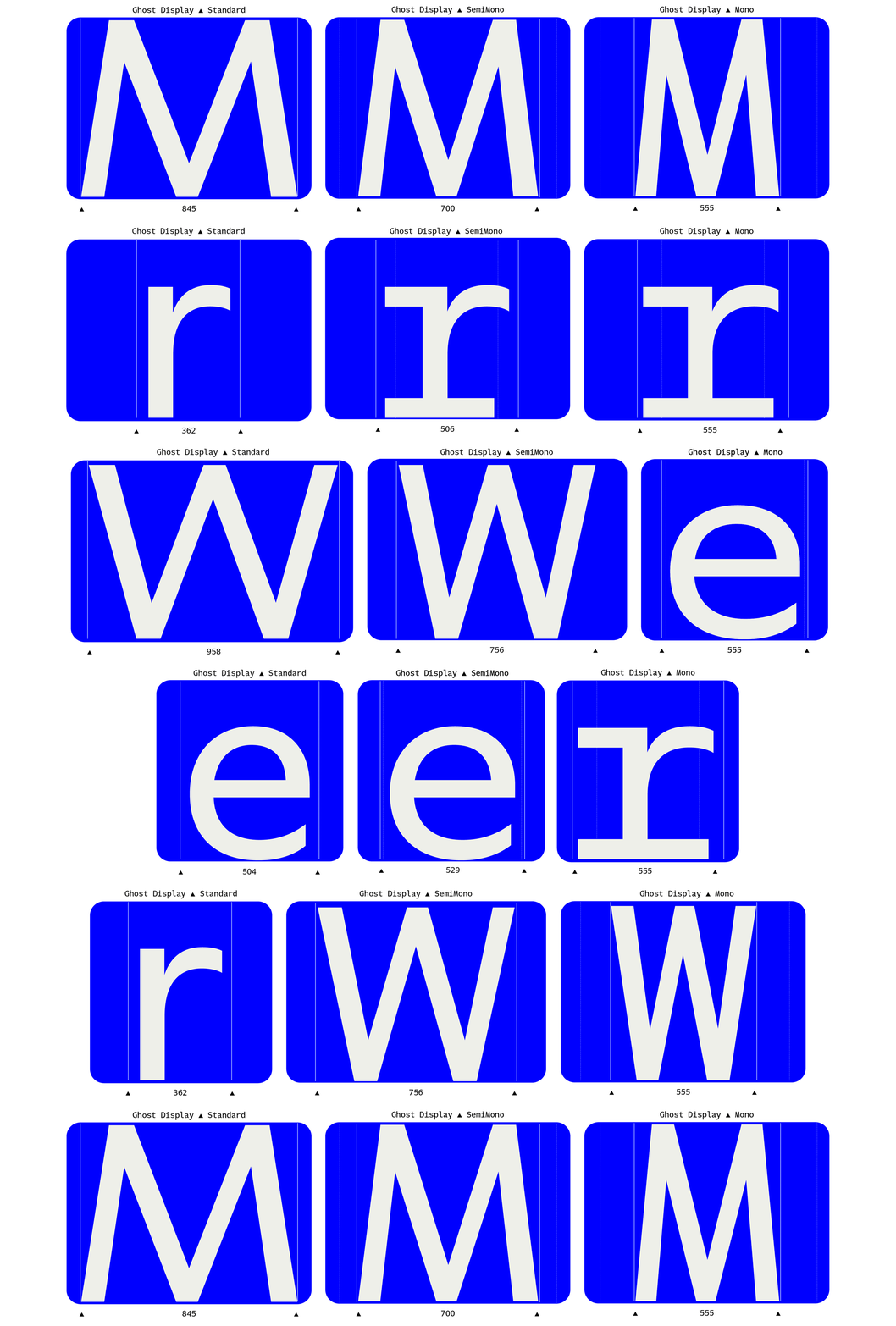
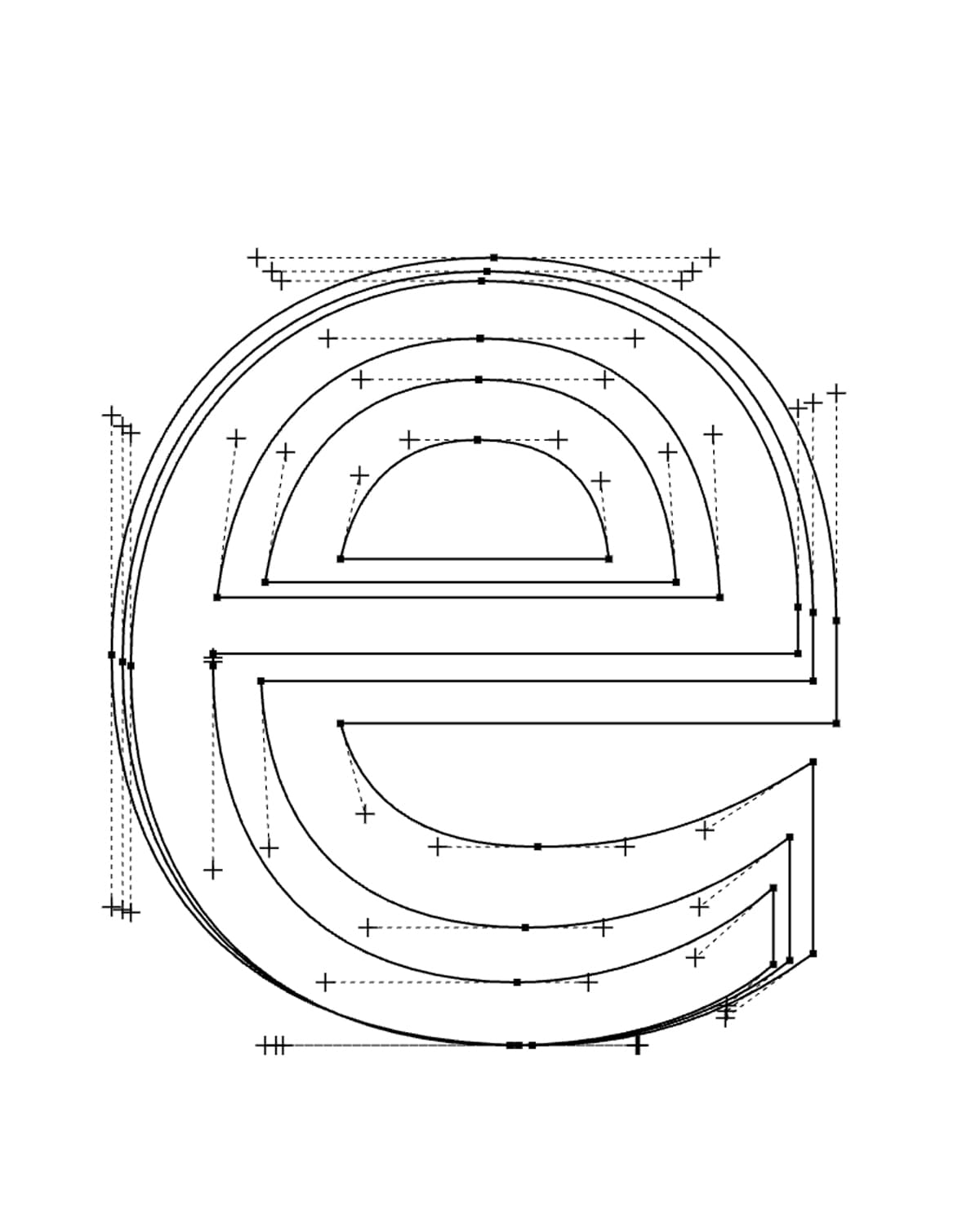
Ghost Superfamily is here, newly present and fully formed. Originally released in 2022 in a single display family, Lucas Sharp’s playful yet reverent resurrection of the Humanist sans debuted as an argument for a new standard in type design. Working backwards from the genre’s origins in Roman inscriptional writing, through the representational lens of Edward Johnston’s mechanically constructed forebears, Ghost’s chimeric identity was designed for adaptability, with a distinctive personality unbeholden to genre yet dexterous in its diachronic construction.
Through seamless variable axes that scale across display, text, and coding functions, Ghost Superfamily delves into the full potential of variable font technology, giving us the opportunity to explore its applications twofold as our most robust design tool for typographers, and as a new technological standard in our craft. Lucas, with My-Lan Thuong, Léna Le Pommelet, and Daniel Veneklaas, spent four years developing the superfamily, which now includes seventy-two styles across five weights with an optical size and mono axes, all integrated into a single variable designspace.
Through seamless variable axes that scale across display, text, and coding functions, Ghost Superfamily delves into the full potential of variable font technology, giving us the opportunity to explore its applications twofold as our most robust design tool for typographers, and as a new technological standard in our craft. Lucas, with My-Lan Thuong, Léna Le Pommelet, and Daniel Veneklaas, spent four years developing the superfamily, which now includes seventy-two styles across five weights with an optical size and mono axes, all integrated into a single variable designspace.
Designers: Lucas Sharp, My-Lan Thuong, Léna Le Pommelet, and Daniel Veneklaas | Engineer: Connor Davenport, Calvin Kwok | Kerning: Igino Marini
Version History
V.1 Apr 2022V.2 Apr 2026
▼
▼
Darkroom
Funayūrei
▼
▼
Ikisudama
Ambiguity
▼
▼
Xenogloss
Phantoms
▼
▼
Darkroom
Funayūrei
▼
▼
Revenants
Ingá Stone
▼
▼
Sacrament
Veneration
Loading…
0
300
0
0
Loading…
300
0
▼
Bold
64
Buruburu Death Echo Hell Ghosts Myling Poltergeist Spectre Woman in White Benevolent Spirits Ectoplasm Vengeance
▼
▼
ExtraBold
54
Low-rise jeans, cargo pants, velour tracksuits, baby tees, halter tops, tube tops, ribbon belts, trucker hats, slip dresses worn over t-shirts, frosted lipgloss, butterfly hair clips, plastic jelly shoes, platform sneakers,
ExtraBold
35
Y2K fashion was a project of contradictions. It was simultaneously sporty and formal, futuristic and nostalgic, minimal and maximal. Low-rise jeans, cargo pants, velour tracksuits, baby tees, halter tops, tube tops, ribbon belts, trucker hats, slip dresses worn over t-shirts, frosted lipgloss, butterfly hair clips, plastic jelly shoes, platform sneakers, tinted sunglasses in implausible colors, and the omnipresent rhinestone all participated in a wardrobe that read as confident even when it did not entirely cohere. Designers responded with metallics, asymmetric cuts, technical fabrics, and clothing that resembled equipment. Magazines coined and discarded trends weekly. The body itself became a site of experimentation, decorated, exposed, and accessorized in ways that would, depending on the year, either be celebrated or quietly retired.
ExtraBold
27
Nintendo European Research & Development [NERD] is a French software company and video game developer based in Paris. A subsidiary of Nintendo since 2011, it develops software technologies and middleware for Nintendo platforms. This includes retro console emulators, patented video codecs, and digital rights management technology. Its most customers included Nintendo, Sony Pictures Digital, and Fisher-Price. DMG-01 KR: Mini Comboy, Nintendo Research & Development 1, under Gunpei Yokoi and Satoru Okada, designed the Game Boy to expand on the single-game Game & Watch, Nintendo adopted a dot-matrix display and interchangeable game cartridges. They prioritized affordability, battery life, and durability over the faster processors and color graphics of its competitors; low-cost technology, the Game Boy has a monochromatic display and an 8-bit processor.
▼
▼
Bold
54
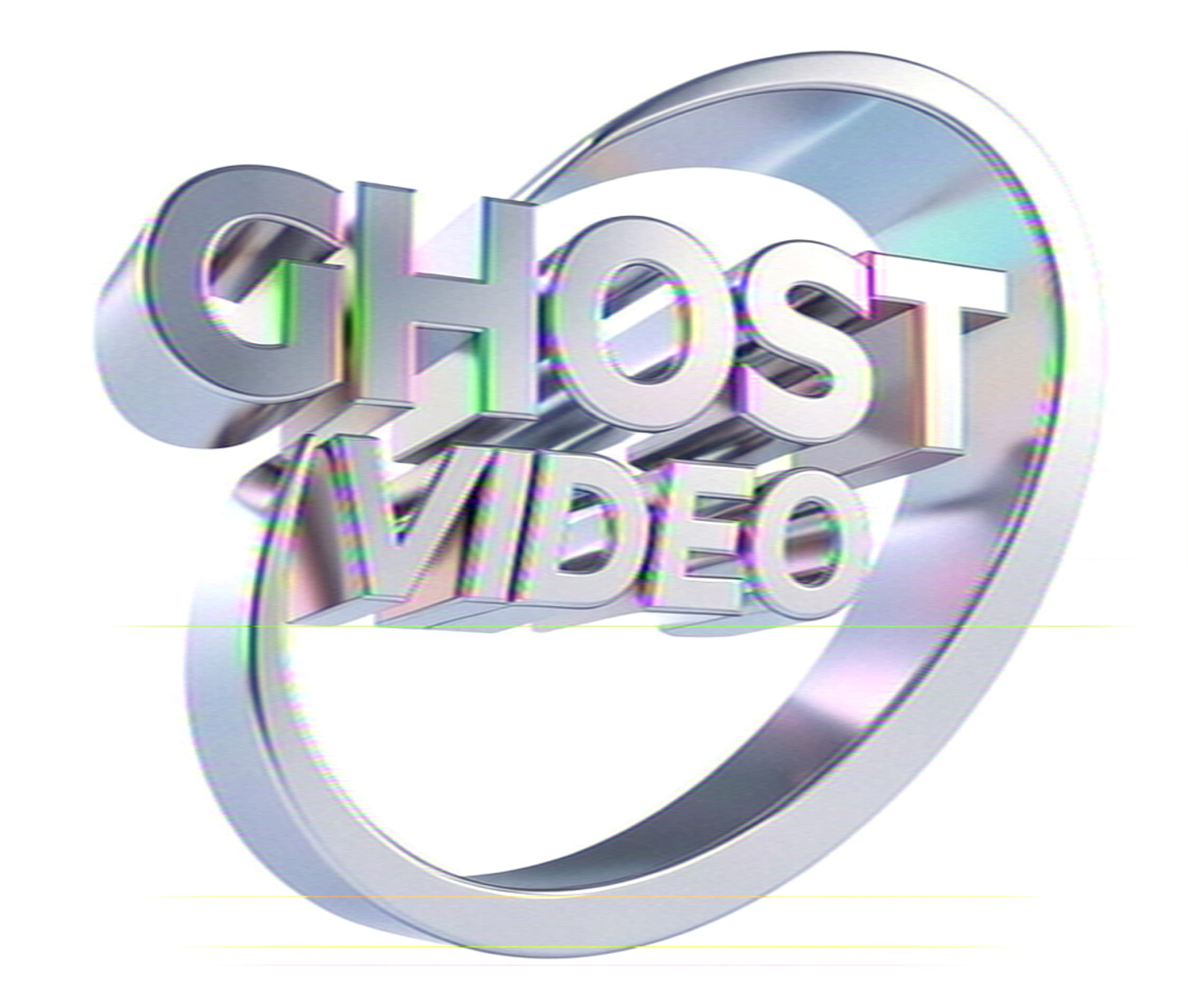
whether a culture fosters the possibility of the future, or is haunted by its absence.
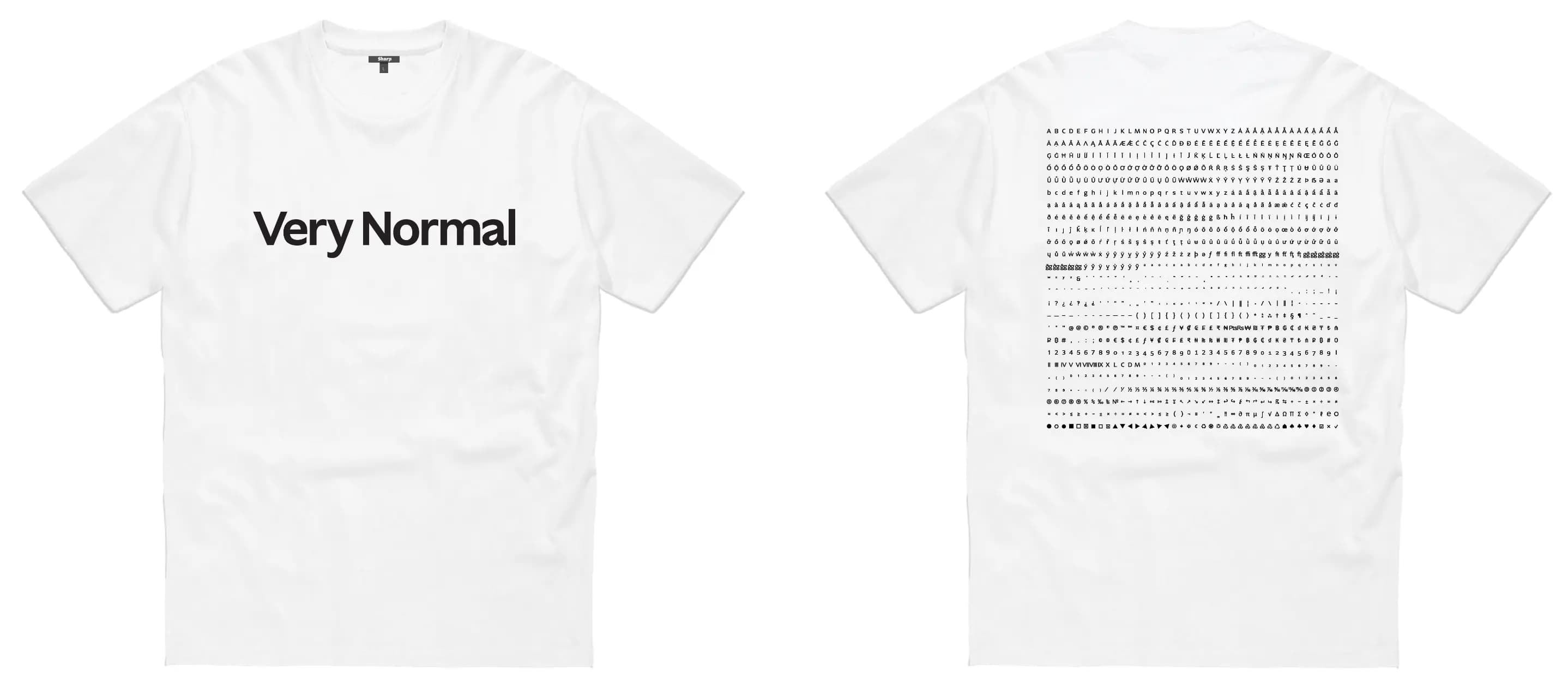
Very Normal T Shirt, 2022.
Bold
35
“Hello Moto” is the iconic marketing tagline and signature ringtone introduced by Motorola in 2002 to personify their mobile phone brand, specifically popularizing the Razr era. The phrase merges a friendly greeting with “Moto,” a short nickname for the company’s brand, aiming to make technology sound personal and accessible. Blockbuster Video became obsolete due to a failure to adapt to digital streaming, heavy reliance on unpopular late fees, and a missed opportunity to purchase Netflix for $50 million in 2000. The company, which peaked at over 9,000 stores, declared bankruptcy in 2010 as consumer behavior shifted toward convenience-based, on-demand, and mail-order, digital entertainment, leading to final store closures by 2014.
Bold
Gg
SemiBold
Gg
Medium
Gg
Regular
Gg
Light
Gg
▼
▼
SemiBold
35
The television of the period operated with a different rhythm than the streaming present. Episodes aired weekly, in fixed slots, and missing one was a small social wound. The water cooler was real. Cable expansion meant that MTV, VH1, BET, Comedy Central, the Cartoon Network's Toonami and Adult Swim blocks, and a long tail of niche channels all competed for evening attention. Reality television, in its modern form, established itself across this window with Survivor, Big Brother, The Real World, and American Idol. Adult animation matured. Late-night talk transformed. The DVD box set arrived and changed how people watched. Series such as The Sopranos, The West Wing, Buffy the Vampire Slayer, Sex and the City, and 24 began to treat television as a long-form medium worthy of patience and rewatching
Medium
35
MTV, VH1, BET, Comedy Central, the Cartoon Network's Toonami and Adult Swim blocks, and a long tail of niche channels all competed for evening attention. Reality television, in its modern form, established itself across this window with Survivor, Big Brother, The Real World, and American Idol. Adult animation matured. Late-night talk transformed. The DVD box set arrived and changed how people watched. Series such as The Sopranos, The West Wing, Buffy the Vampire Slayer, Sex and the City, and 24 began to treat television as a long-form medium worthy of patience and rewatching
SemiBold
22
The web of the Y2K era was not yet a place where one primarily consumed content produced by others. It was, for many users, a workshop. People built things. They made GeoCities pages and Angelfire shrines. They customized their MySpace profiles with embedded auto-playing songs and glitter graphics. They wrote LiveJournal entries, kept Xanga blogs, ran webrings, learned just enough HTML to break a layout and just enough more to fix it. The line between user and developer was unusually porous. View-source was an education. The ugliness of the period's web is partly the ugliness of amateurism, which is to say the ugliness of people learning in public, and which is therefore not really ugliness at all. The digital cameras of the period produced images at resolutions that would today be considered insulting. Two megapixels was respectable. Three was generous. Photographs were small, color-shifted, often blurred, and frequently dated in the corner by an LCD that had been set to the wrong year in 1998 and never updated. Scanned photographs sat alongside born-digital images on the same hard drives, indistinguishable in folder views, equally subject to loss. The flash photograph, taken at arm's length and angled downward, established compositional conventions that anticipated the front-facing camera by nearly a decade. The era's photographic record is, by present standards, technically poor and emotionally specific.
Medium
22
The films of the Y2K period are unusually preoccupied with simulation, paranoia, identity, and the dissolving line between real and virtual. The Matrix arrived in 1999 and reorganized the visual grammar of action cinema for a decade. The same year produced Fight Club, eXistenZ, The Thirteenth Floor, and The Iron Giant, none of which feel coincidental in their concerns. The years that followed brought Memento, Donnie Darko, Mulholland Drive, A.I. Artificial Intelligence, Minority Report, Vanilla Sky, Ghost in the Shell's continued international influence, and a wave of teen-oriented comedies that, while less philosophical, encoded the era's textures with unusual fidelity. The DVD's special-features culture taught audiences to read films with a director's commentary running, which subtly altered how films were made. The internet as workshop. The web of the Y2K era was not yet a place where one primarily consumed content produced by others. It was, for many users, a workshop. People built things. They made GeoCities pages and Angelfire shrines. They customized their MySpace profiles with embedded auto-playing songs and glitter graphics. They wrote LiveJournal entries, kept Xanga blogs, ran webrings, learned just enough HTML to break a layout and just enough more to fix it. The line between user and developer was unusually porous. View-source was an education. The ugliness of the period's web is partly the ugliness of amateurism, which is to say the ugliness of people learning in public, and which is therefore not really ugliness at all. The digital cameras of the period produced images at resolutions that would today be considered insulting. Two megapixels was respectable.
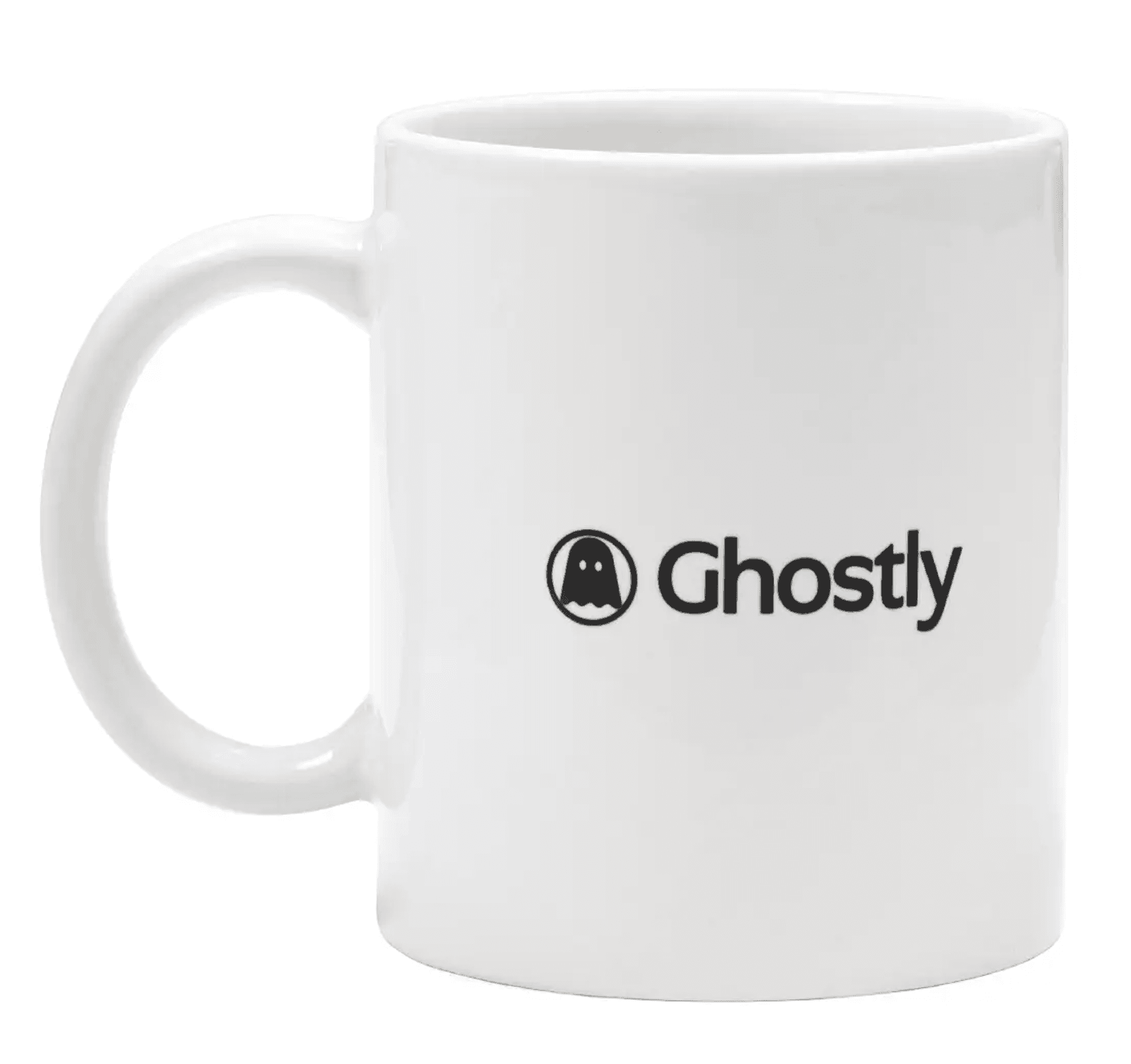
Ghost Display in use for Ghostly International, 2022. (it was only right).
▼
Bold Italic
Gg
SemiBold Italic
Gg
Medium Italic
Gg
Italic
Gg
Light Italic
Gg
Mixed Weights
55
AAAAAA BBBBBB CCCCCC DDDDDD EEEEEE FFFFFF GGGGGG HHHHHH IIIIII JJJJJJ KKKKKK LLLLLL MMMMMM NNNNNN OOOOOO PPPPPP QQQQQQ RRRRRR SSSSSS TTTTTT UUUUUU VVVVVV WWWWWW XXXXXX YYYYYY &&&&&& ZZZZZZ
Light
65
hauntology describes how elements of the past—particularly ideas of the future—linger in the present like ghosts, revived over and over.
▼
▼
Regular
35
The phrase Y2K originally referred to the millennium bug itself, the widely anticipated software failure expected to result from two-digit year fields rolling over from 99 to 00 at midnight on January 1, 2000. Billions of dollars were spent on remediation. Banks, utilities, airlines, and government agencies revised legacy code, replaced systems, and prepared contingency plans. Survivalist literature flourished. Bottled water sold out in some regions. The clocks turned over and, with a few minor exceptions, nothing dramatic happened. Whether this was because the threat was overstated or because the remediation was effective remains a matter of debate. The phrase, having been deprived of its original referent, drifted free and attached itself to everything else around it.
Light
35
Survivalist literature flourished. Bottled water sold out in some regions. The clocks turned over and, with a few minor exceptions, nothing dramatic happened. Whether this was because the threat was overstated or because the remediation was effective remains a matter of debate. The phrase, having been deprived of its original referent, drifted free and attached itself to everything else around it.
Regular
22
Cultural eras are partly inventions of the people who survive them. The Y2K period as currently understood is a composite, assembled from product photography, music videos, advertising, screenshots, and the slightly distorted recollections of those who lived through it as children, adolescents, or young adults. Some elements have been amplified. Others have faded. The result is not the period itself but a useful approximation of it, suitable for design purposes, suitable for fashion, and suitable for the kinds of websites that, like this one, attempt to gather its surfaces in one place. The reader is encouraged to treat what follows accordingly: as an aesthetic argument first, a historical record second, and a celebration always. The Y2K aesthetic, having been initially declared obsolete sometime around the introduction of the iPhone, returned with surprising force in the late 2010s and has continued to expand its territory ever since. Frosted translucent plastics reappeared on fashion runways, in industrial design, and across social media moodboards. The chrome-plated wordmark, the lens flare, the bubble typography, the low-poly render, the airbrushed butterfly, and the soft blue gradient have all been reissued, recontextualized, and pressed into service for new purposes. Whether this revival represents genuine continuity or merely the periodic recycling of styles that any sufficiently long-lived culture undertakes is, again, a matter of debate. What is not in dispute is that the period generated a coherent visual world, that this world was unusually optimistic, and that the optimism is part of what people now reach for when they reach for it.
Light
22
The Y2K aesthetic, having been initially declared obsolete sometime around the introduction of the iPhone, returned with surprising force in the late 2010s and has continued to expand its territory ever since. Frosted translucent plastics reappeared on fashion runways, in industrial design, and across social media moodboards. The chrome-plated wordmark, the lens flare, the bubble typography, the low-poly render, the airbrushed butterfly, and the soft blue gradient have all been reissued, recontextualized, and pressed into service for new purposes. Whether this revival represents genuine continuity or merely the periodic recycling of styles that any sufficiently long-lived culture undertakes is, again, a matter of debate. What is not in dispute is that the period generated a coherent visual world, that this world was unusually optimistic, and that the optimism is part of what people now reach for when they reach for it. The phrase Y2K originally referred to the millennium bug itself, the widely anticipated software failure expected to result from two-digit year fields rolling over from 99 to 00 at midnight on January 1, 2000. Billions of dollars were spent on remediation. Banks, utilities, airlines, and government agencies revised legacy code, replaced systems, and prepared contingency plans. Survivalist literature flourished. Bottled water sold out in some regions. The clocks turned over and, with a few minor exceptions, nothing dramatic happened. Whether this was because the threat was overstated or because the remediation was effective remains a matter of debate. The phrase, having been deprived of its original referent, drifted free and attached itself to everything else around it. Aftermath, revival, and the second life of an era
▼
▼
Light Italic
43
Released August 15, 1998, by Apple Computer. The first major product launched after Steve Jobs returned to the company in 1997, and the design that single-handedly rehabilitated translucent plastic as a consumer aesthetic. The original Bondi Blue model housed a 233 MHz PowerPC G3 processor, 32 MB of RAM, a 4 GB hard drive, a tray-loading CD-ROM drive, two USB ports, and a 15-inch CRT at 1024×768 resolution, all integrated into a single curved enclosure designed by Jony Ive's team. It shipped with Mac OS 8.1 and notably omitted both the floppy drive and Apple's previous SCSI and ADB ports. In January 1999, Apple introduced five additional colorways—Blueberry, Strawberry, Tangerine, Grape, and Lime—followed later by Graphite, Indigo, Ruby, Sage, Snow, and the patterned Blue Dalmatian and Flower Power editions in 2001. The line sold approximately six million units before its discontinuation in 2003.

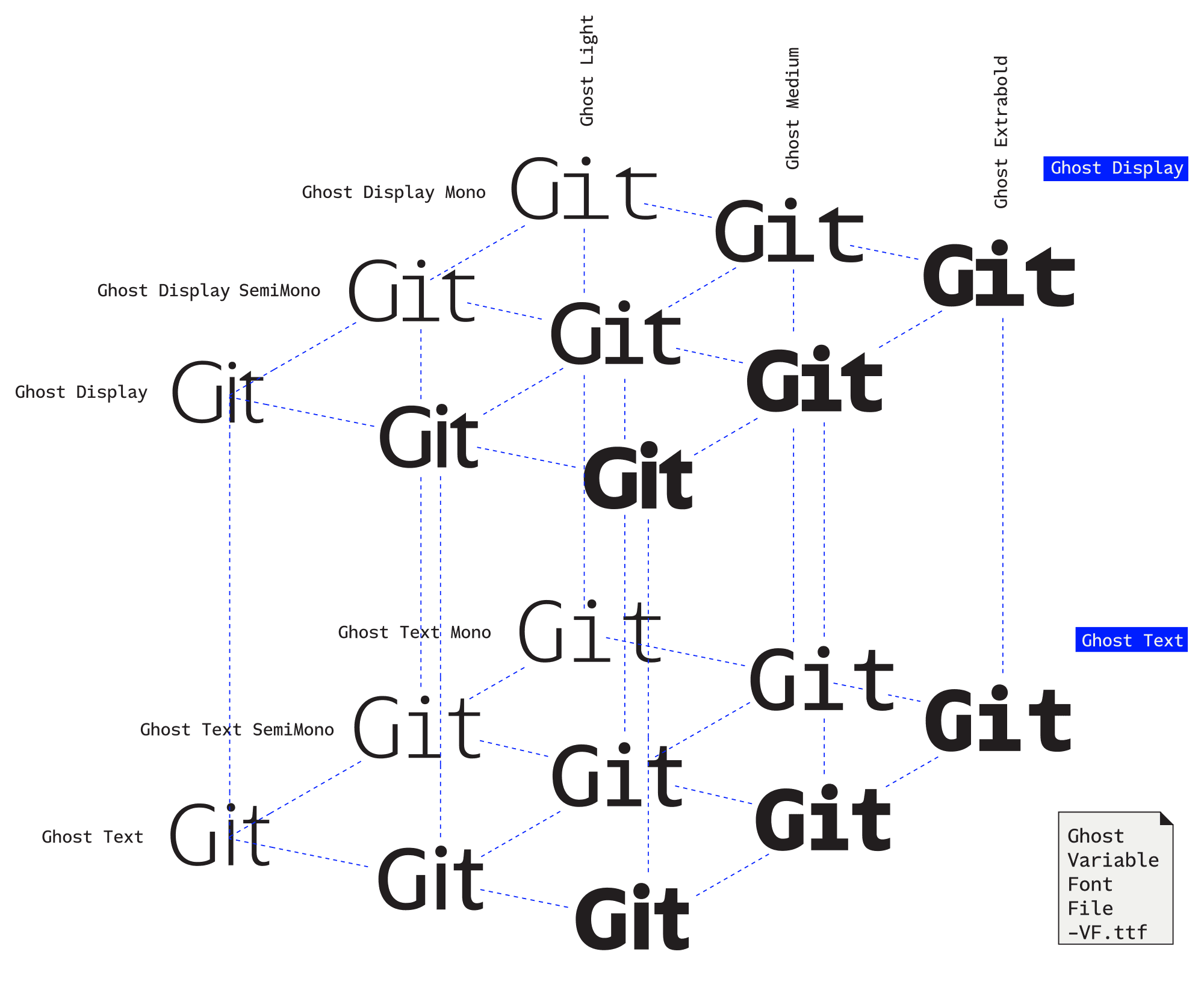
Through seamless variable axes that scale across display, text, and coding functions, Ghost Superfamily delves into the full potential of variable font technology, giving us the opportunity to explore its applications twofold as our most robust design tool for typographers, and as a new technological standard in our craft. We spent four years developing the superfamily, which now includes seventy-two styles across five weights with an optical size and mono axes, all integrated into a single variable designspace.
Loading…
calt
Contextual Alternates
case
Case-Sensitive Forms
ccmp
Glyph Composition/Decomposition
dlig
Discretionary Ligatures
dnom
Denominators
frac
Fractions
liga
Standard Ligatures
lnum
Lining Figures
locl
Localized Forms
numr
Numerators
onum
Oldstyle Figures
ordn
Ordinals
pnum
Proportional Figures
ss01
Alternate a (roman)
ss02
Alternate k (italic)
ss03
Alternate IJ
ss04
Alternate Arrows
ss05
Alternate boxes
ss06
Circled Numbers
ss07
Roman Numerals
subs
Subscript
sups
Superscript
tnum
Tabular Figures
Abron, Acheron, Achinese, Acholi, Achuar-Shiwiar, Adangme, Afar, Afrikaans, Aguaruna, Ahtna, Akoose, Alekano, Aleut, Algonquin, Amahuaca, Amarakaeri, Amis, Anaang, Andaandi, Anufo, Anuta, Ao Naga, Apinayé, Arabela, Aragonese, Arbëreshë Albanian, Arvanitika Albanian, Asháninka, Ashéninka Perené, Asu (Tanzania), Atayal, Awa-Cuaiquer, Awing, Baatonum, Bafia, Balinese, Bambara, Banjar, Baoulé, Bari, Basque, Batak Dairi, Batak Karo, Batak Mandailing, Batak Simalungun, Batak Toba, Bemba (Zambia), Bena (Tanzania), Biali, Bikol, Bini, Bislama, Boko (Benin), Bora, Borana-Arsi-Guji Oromo, Bosnian, Breton, Buginese, Candoshi-Shapra, Caquinte, Caribbean Hindustani, Cashibo-Cacataibo, Cashinahua, Catalan, Cebuano, Central Aymara, Central Kurdish, Central Nahuatl, Cerma, Chachi, Chamorro, Chavacano, Chayahuita, Chiga, Chiltepec Chinantec, Chokwe, Chuukese, Cimbrian, Cofán, Congo Swahili, Cook Islands Māori, Cornish, Corsican, Creek, Crimean Tatar, Croatian, Czech, Danish, Dehu, Dendi (Benin), Dimli, Dutch, Dyula, Eastern Arrernte, Eastern Maninkakan, Eastern Oromo, Efik, Embu, English, Ese Ejja, Esperanto, Ewondo, Fanti, Faroese, Fijian, Filipino, Finnish, French, Friulian, Ga, Gagauz, Galician, Ganda, Garifuna, Ga'anda, German, Gheg Albanian, Gilbertese, Gonja, Gooniyandi, Gourmanchéma, Guadeloupean Creole French, Gusii, Gwichʼin, Haitian, Hani, Hiligaynon, Ho-Chunk, Hopi, Huastec, Hungarian, Hän, Ibibio, Icelandic, Ido, Idoma, Iloko, Inari Sami, Indonesian, Interglossa, Interlingua, Interlingue, Irish, Istro Romanian, Italian, Ixcatlán Mazatec, Jamaican Creole English, Javanese, Jenaama Bozo, Jola-Fonyi, K'iche', Kabuverdianu, Kaingang, Kala Lagaw Ya, Kalaallisut, Kalenjin, Kamba (Kenya), Kaonde, Kaqchikel, Karelian, Kashubian, Kekchí, Kenzi/Mattokki, Khasi, Kikuyu, Kimbundu, Kinyarwanda, Kirmanjki, Kituba (DRC), Klingon, Kongo, Konzo, Koyra Chiini Songhay, Koyraboro Senni Songhai, Krio, Kuanyama, Kven Finnish, Kölsch, Ladin, Ladino, Langi, Latgalian, Ligurian, Lingala, Lithuanian, Lojban, Lombard, Low German, Lower Sorbian, Lozi, Luba-Katanga, Luba-Lulua, Lule Sami, Luo (Kenya and Tanzania), Luxembourgish, Macedo-Romanian, Makhuwa, Makhuwa-Meetto, Makonde, Makwe, Malagasy, Malaysian, Maltese, Mamara Senoufo, Mandinka, Mandjak, Mankanya, Manx, Maore Comorian, Maori, Mapudungun, Marshallese, Masai, Matsés, Mauritian Creole, Mende (Sierra Leone), Meriam Mir, Meru, Meta', Metlatónoc Mixtec, Mi'kmaq, Minangkabau, Mirandese, Moba, Mohawk, Montagnais, Montenegrin, Munsee, Murrinh-Patha, Murui Huitoto, Muslim Tat, Mwani, Mískito, Naga Pidgin, Ndonga, Neapolitan, Ngazidja Comorian, Niuean, Nobiin, Nomatsiguenga, North Azerbaijani, North Ndebele, Northern Kissi, Northern Kurdish, Northern Qiandong Miao, Northern Sami, Northern Uzbek, Northwestern Ojibwa, Norwegian, Novial, Nyamwezi, Nyanja, Nyankole, Nyemba, Nzima, Occitan, Ojitlán Chinantec, Omaha-Ponca, Orma, Oroqen, Otuho, Palauan, Paluan, Pampanga, Papantla Totonac, Papiamento, Paraguayan Guaraní, Pedi, Picard, Pichis Ashéninka, Piemontese, Pijin, Pintupi-Luritja, Pipil, Pite Sami, Pohnpeian, Polish, Portuguese, Potawatomi, Purepecha, Páez, Quechua, Romanian, Romansh, Rotokas, Rundi, Rwa, Samburu, Samoan, Sango, Sangu (Tanzania), Saramaccan, Sardinian, Scots, Scottish Gaelic, Sena, Seri, Seselwa Creole French, Shambala, Sharanahua, Shawnee, Shilluk, Shipibo-Conibo, Shona, Shuar, Sicilian, Silesian, Slovak, Slovenian, Soga, Somali, Soninke, South Azerbaijani, South Ndebele, Southern Aymara, Southern Bobo Madaré, Southern Dagaare, Southern Qiandong Miao, Southern Sami, Southern Sotho, Spanish, Sranan Tongo, Standard Estonian, Standard Latvian, Standard Malay, Sundanese, Susu, Swahili, Swati, Swedish, Swiss German, Syenara Senoufo, Tagalog, Tahitian, Taita, Talysh, Tasawaq, Tedim Chin, Tetum, Tetun Dili, Timne, Tiv, Tiéyaxo Bozo, Toba, Tok Pisin, Tokelau, Toki Pona, Tonga (Tonga Islands), Tonga (Zambia), Tosk Albanian, Tsakhur, Tsonga, Tswana, Tumbuka, Turkish, Turkmen, Tuvalu, Twi, Tzeltal, Tzotzil, Uab Meto, Umbundu, Ume Sami, Upper Guinea Crioulo, Upper Sorbian, Urarina, Venetian, Veps, Volapük, Võro, Waama, Walloon, Walser, Wamey, Wangaaybuwan-Ngiyambaa, Waorani, Waray (Philippines), Warlpiri, Wasa, Wayuu, Welsh, West Central Oromo, West-Central Limba, Western Abnaki, Western Frisian, Wik-Mungkan, Wiradjuri, Wolof, Xavánte, Xhosa, Yagua, Yanesha', Yangben, Yanomamö, Yao, Yapese, Yindjibarndi, Yucateco, Zarma, Zulu, Zuni, Záparo