Loading…
Re-Introducing Ceraph
Ceraph was initially released in 2024 as an elegant flared display typeface. Designed by Emma Piercy in a single weight, it combined calligraphic fluidity with a constructed foundation. The result was aesthetically unbeholden to any one era or genre. Its subtle engraved quality was as beloved as its series of ligatures and swashes—a treasure chest of typographic potential for designers everywhere. Three years later, Ceraph returns, expanding into a full-fledged family that retains its core spirit while gracefully pushing its design language into unexpected territory.
"Ceraph started with a song," says Emma Piercy, a Korean-British designer based in St Leonards-on-Sea. "The lyrics resonated with my circumstances at the time. Starting the typeface became a way for me to try and break out of a feeling of frustration."
"Ceraph started with a song," says Emma Piercy, a Korean-British designer based in St Leonards-on-Sea. "The lyrics resonated with my circumstances at the time. Starting the typeface became a way for me to try and break out of a feeling of frustration."
Emma began Ceraph in 2018 as an experiment, a sketched word featuring whiplash forms and flared serifs. "It slowly evolved into a more ambitious and refined project. I wanted the typeface to embody grace and strength, and this aim was the north star throughout its development. This is my first serious undertaking of typeface design, and it took a year on-and-off to settle on the concept."
When it came to naming the work in progress, she found inspiration in the highest heavenly bodies as well as the foundational form of the typeface itself. "The name 'Ceraph' is a hybrid of 'seraph' and 'serif' and ‘cera’: Seraph refers to the ethereal quality of the initial inspiration; serif is of course a nod to the characteristic flared serifs; and ‘cera’ refers to the handmade character of ceramic."

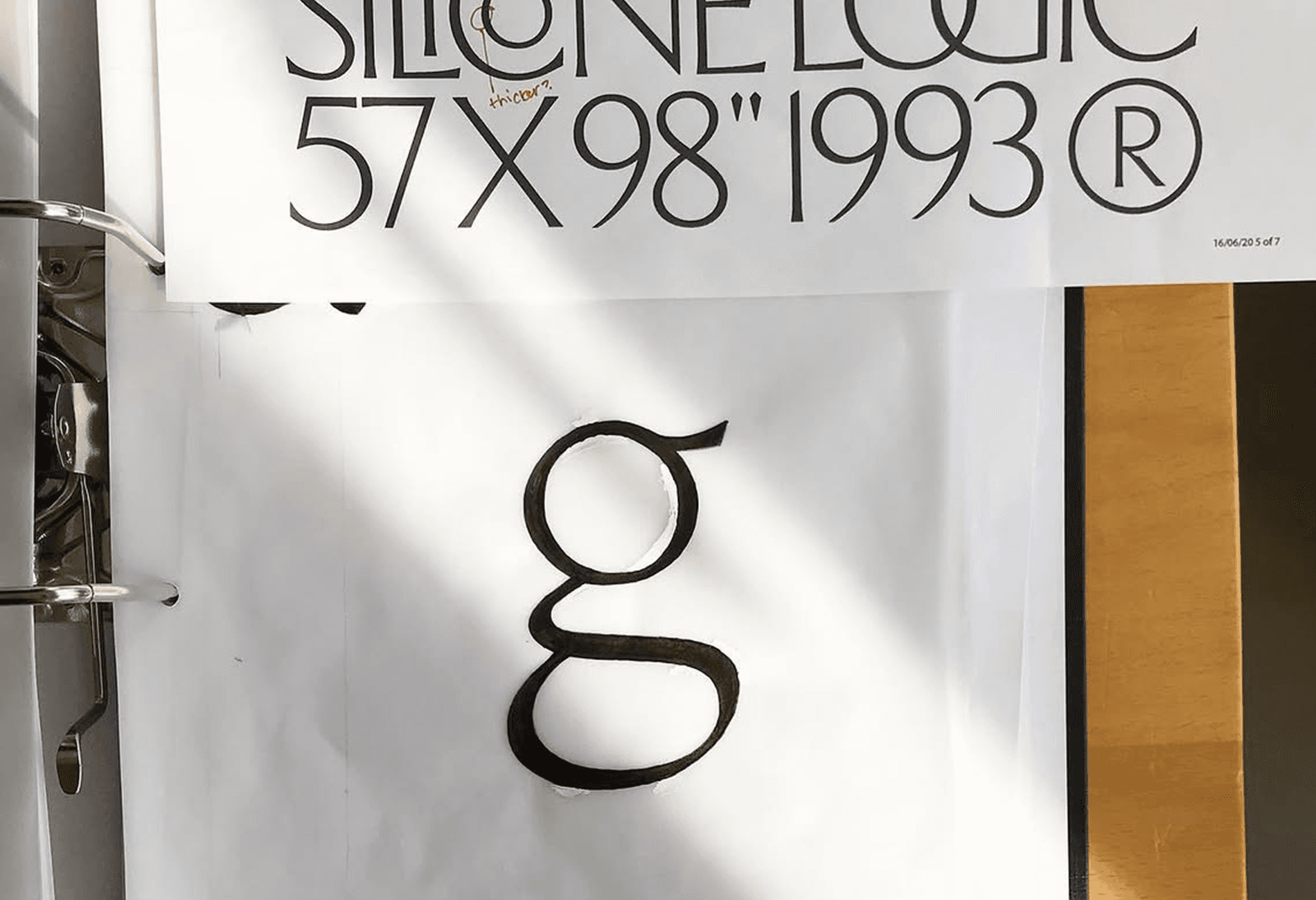
"Ceraph’s flared stroke endings give them an engraved quality. The uppercase proportions and construction reference Roman capitals, while the lowercase has more of a calligraphic approach. This is a flared serif typeface, but it doesn’t follow any particular historical model."
That said, Piercy is forthcoming about her influences: "Typeface-wise, Canela was a specific reference point. The work of Hermann Zapf, Jakob Erbar, and Giovanni Francesco Cresci were significant, too.” The Roman capitals drawn by Giovanni Francesco Cresci in particular serve as a useful model for Ceraph. His Essemplare di più sorti lettere from 1560 combined classical Roman lettering, Renaissance humanism, and the practical art of handwriting, which was, for its time, a thoroughly modern approach: “Cresci was opposed to the geometrically constructed capitals of his time and instead drew his by sight. I took something from that by trying to keep the life of the hand in Ceraph’s digital drawings.”
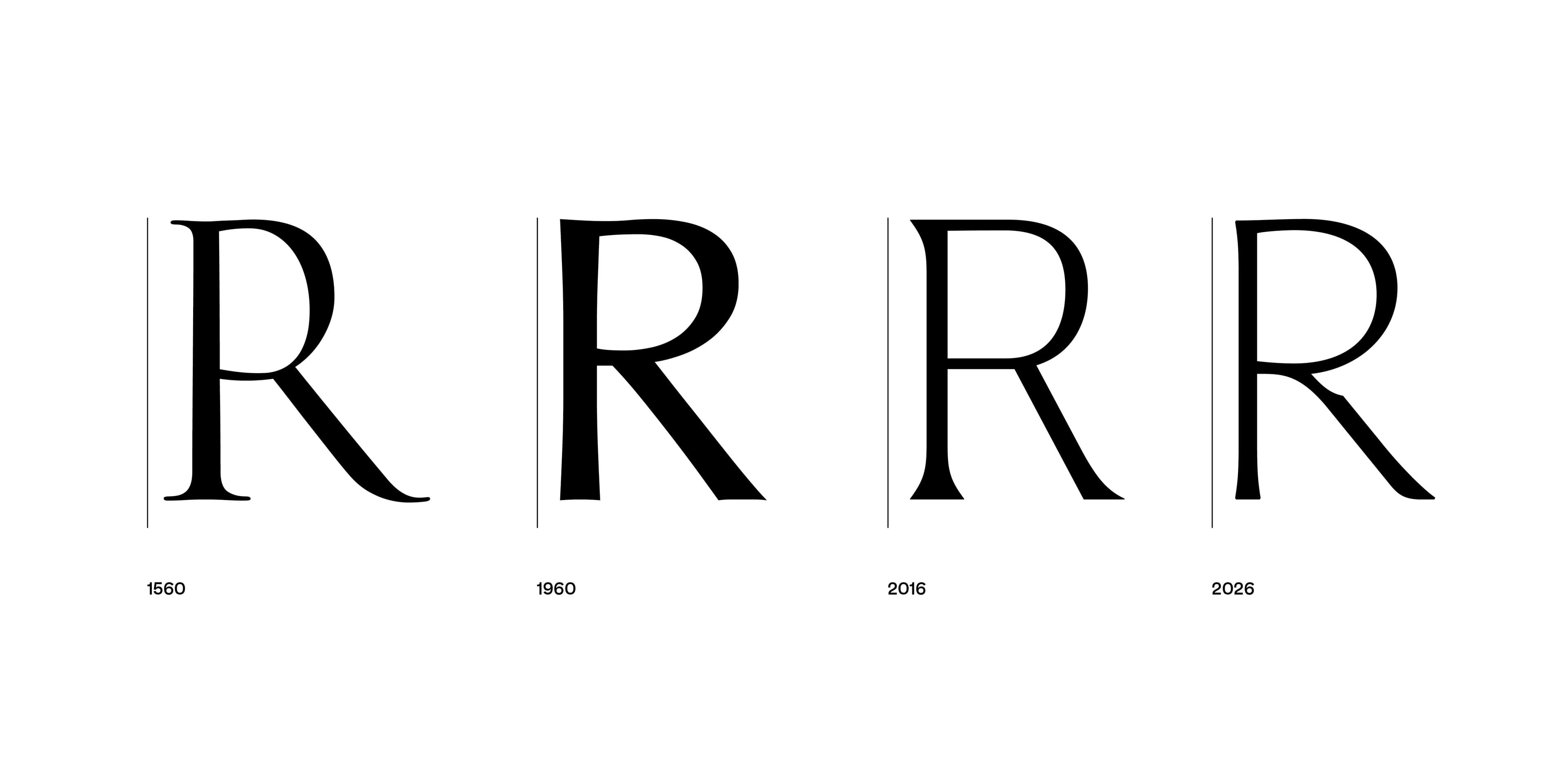
From left to right: Giovanni Francesco Cresci, Essemplare di più sorti lettere (1560); Hermann Zapf, Optima (1960); Commercial Type, Canela (2016); and Ceraph (2026).
“Over time, my influences also became more humanistic, so my interest and practice in calligraphy further moulded Ceraph. I hope the final result is a synthesis of contemporary styles and historical scripts that feels simultaneously old and new."
“Over time, my influences also became more humanistic, so my interest and practice in calligraphy further moulded Ceraph. I hope the final result is a synthesis of contemporary styles and historical scripts that feels simultaneously old and new."
Ceraph Re-Genesis
Ceraph Re-Genesis
In the summer of 2025, Emma began considering the single-weight of Ceraph as part of a greater whole, but the project wouldn’t officially start until a year later. The original Ceraph was a project five years in the making, and after a few years away from it, Emma found herself excited to increase its presence. In June, Emma began working with Lucas Sharp and Matthijs Herzberg and completed the expanded family at the end of the summer.
A specific state of feeling was the genesis of Ceraph’s initial release, and this feeling was baked into the original single weight. The challenge was to find a way to retain Ceraph’s fundamental character while allowing for new characteristics to emerge as the designers built-out the family.
Ceraph Expanded
Ceraph Expanded
When Ceraph was originally released in 2024, Emma Piercy’s debut made an immediate impression. Its flared serifs presciently anticipated the current zeitgeist, while its poised forms synthesized calligraphic influences across Renaissance capitals, early-20th-century grotesques, and mid-century humanist type. These references were uniquely combined, giving Ceraph its unmistakable look and feel.
Now a full-fledged family, Ceraph expands with multiple weights and styles. The original weight—aka Regular—is joined by Thin, Light, Medium, Semi-Bold, and Bold weights, complementary italics, OmniLatin support, and, of course, a treasure chest of contextual alternates.
▼
▼
CELEBORN
VALHALLA
▼
▼
ESGAROTH
ÉOTHÉOD
▼
▼
LOTHLÓRIEN
FANGORN
▼
▼
TERRAINS
RAMMAS
▼
▼
ENTWIVES
WESTERN
▼
▼
LONGINUS
BALCLOTH
The designers wanted to retain the subtle complexity that made the original release so striking and explored the limitations of the design space. In the end, they found the threshold points in the Thin and Bold weights. If the Thin weight still retains the mark of the pen-in-hand, the Bold touches the opposite extreme without ever feeling heavy.
Certain letterforms were stress tested to ensure consistency of aesthetics and feeling through the various weights.
Loading…
200
Loading…
200
The uppercase /G was a key letter. Ceraph took direct inspiration from Jakob Erbar’s Feder Grotesk, which was published in 1909 and anticipated the aesthetics of Art Deco. Certain characteristics—the high crossbar, a nearly over-extending arch, pointed spur, and the dramatic contrast between the rounded bowl and staunch terminal—carry through the weights. The effect is subtly futuristic with deep historical underpinnings and always exceedingly, effortlessly elegant.
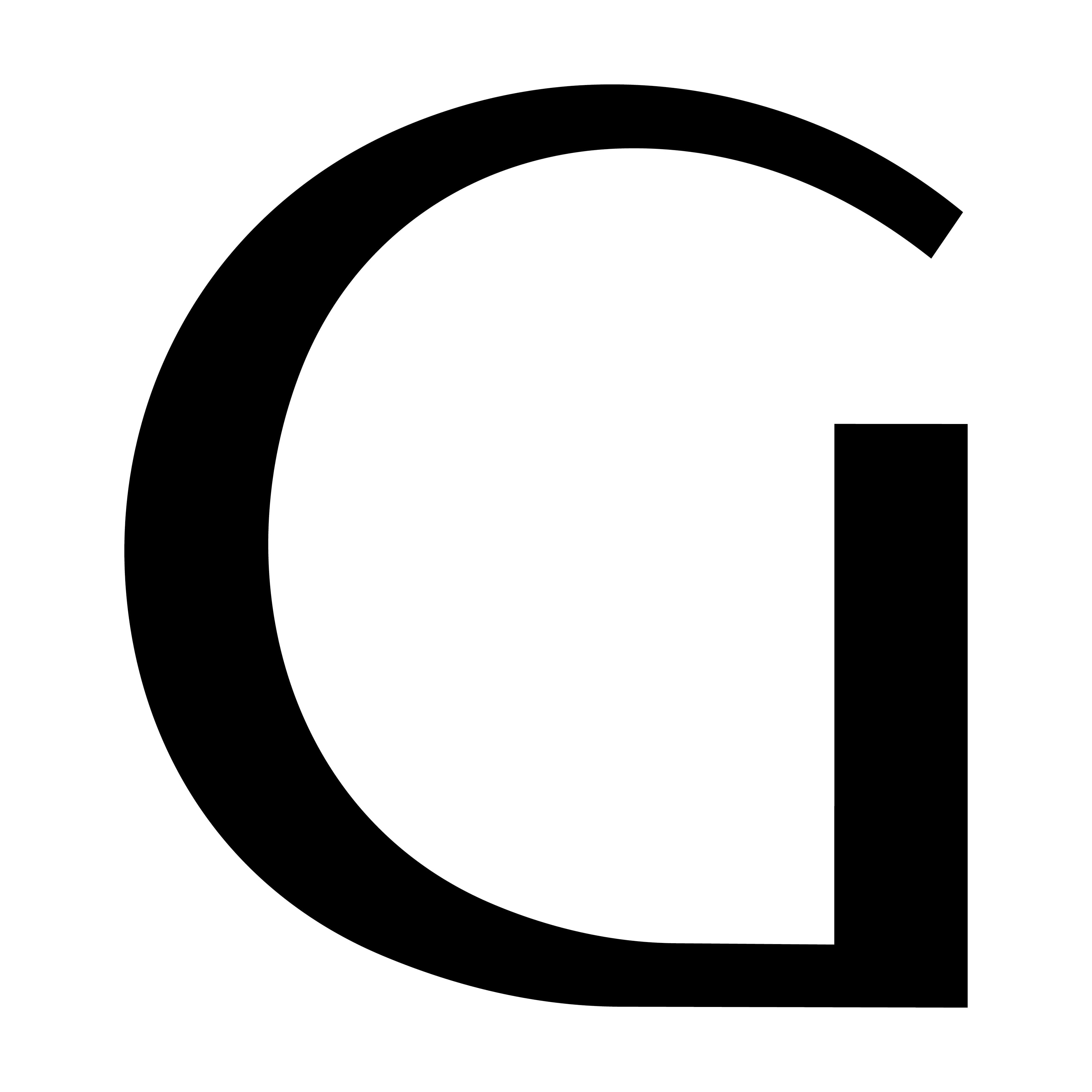
Jakob Erbar's Feder Grotesk (1909)
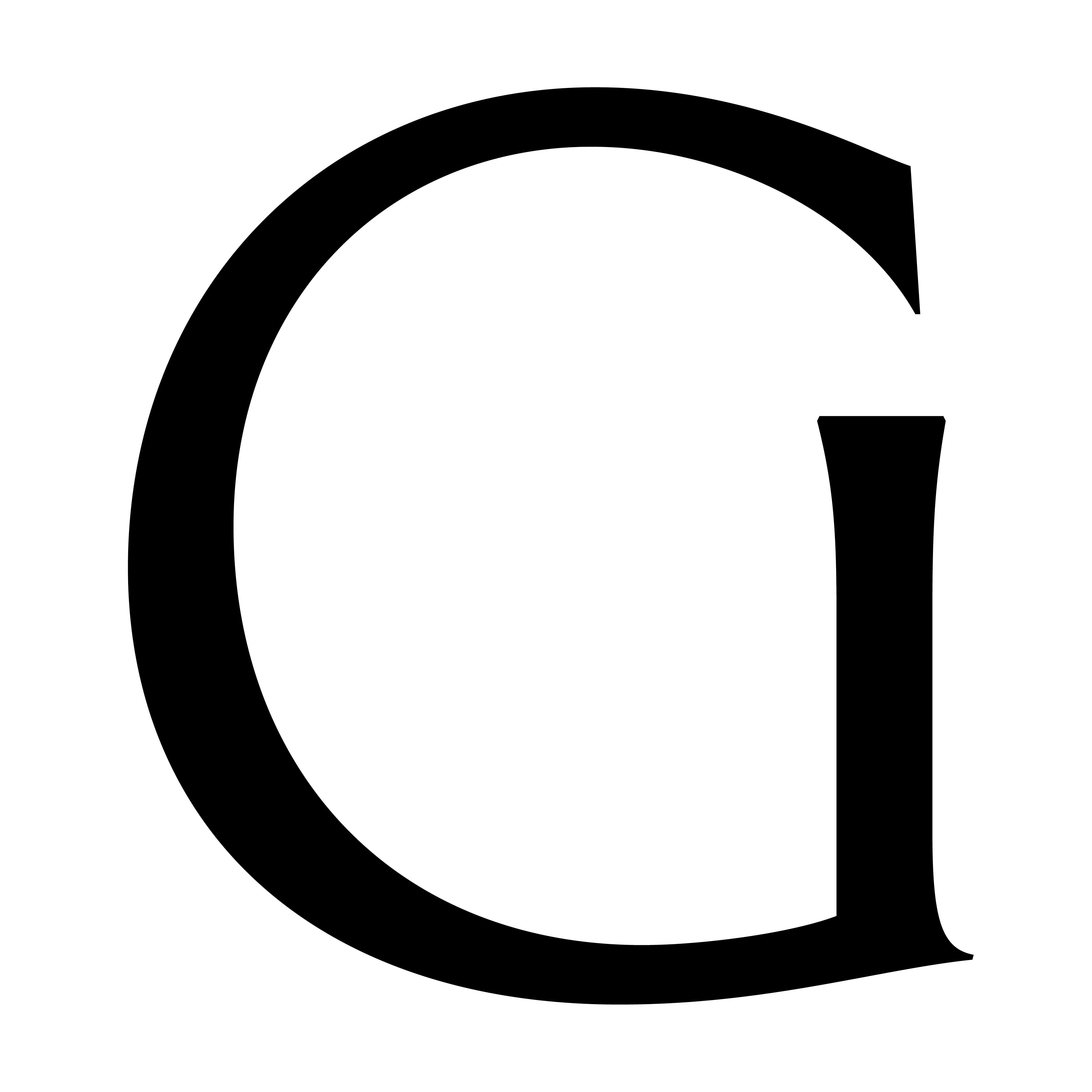
Emma Piercy's Ceraph (2026)
The uppercase /R, with its notched leg, was also carefully tested and constructed. The incised feeling comes through this letterform, which, when combined with its flares, are a signature design element.
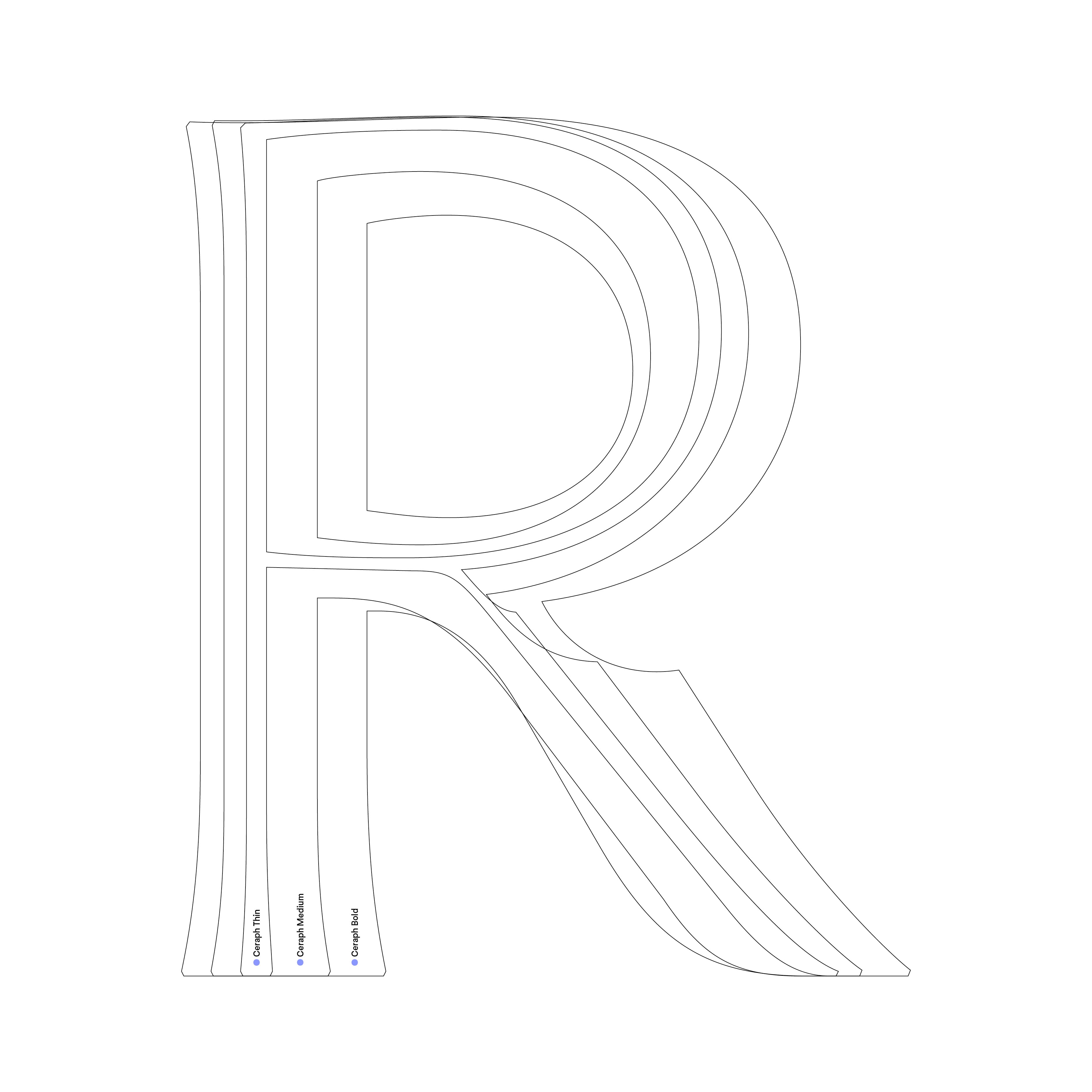
R's Weight Interpolation
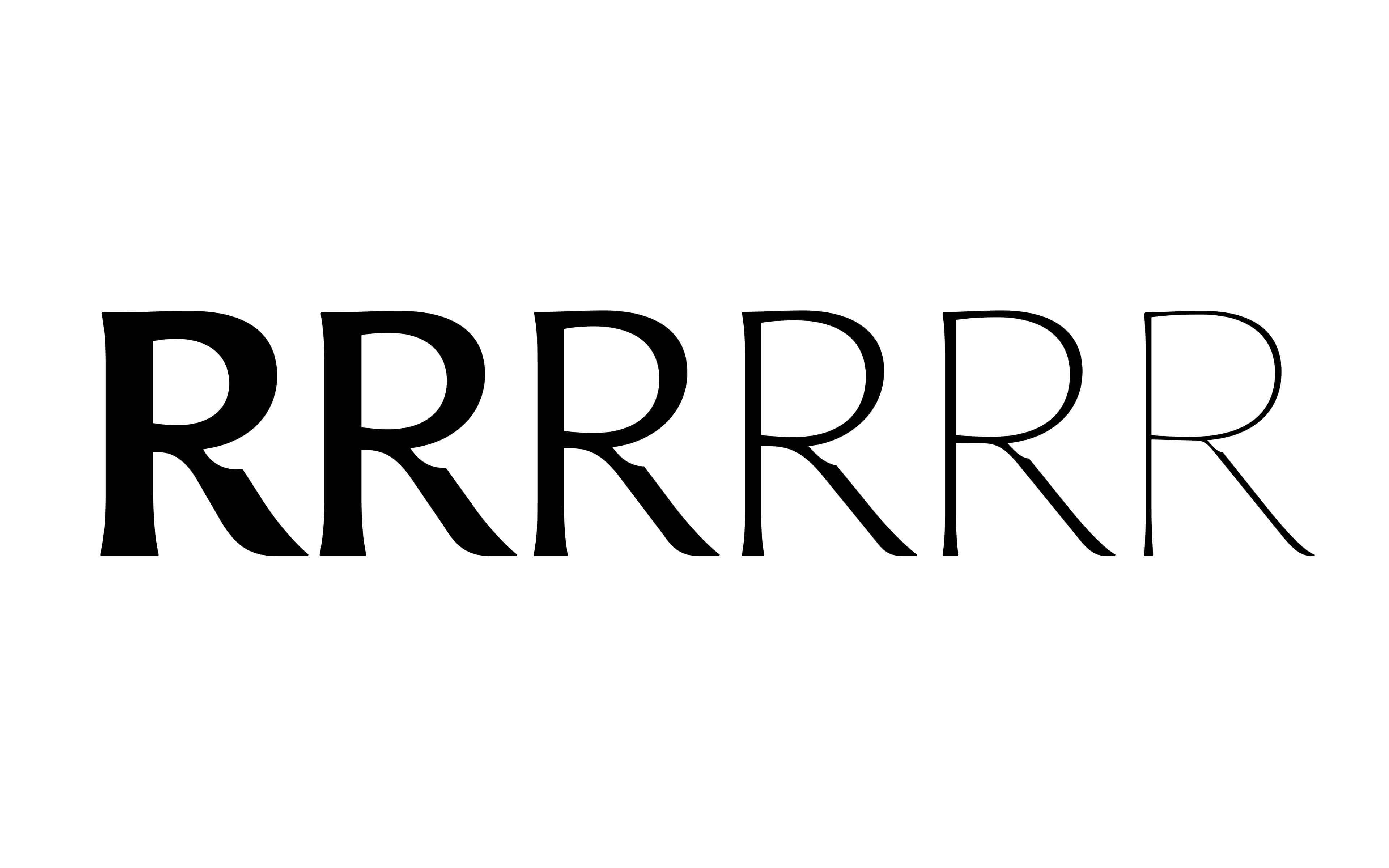
R's Weight Overview
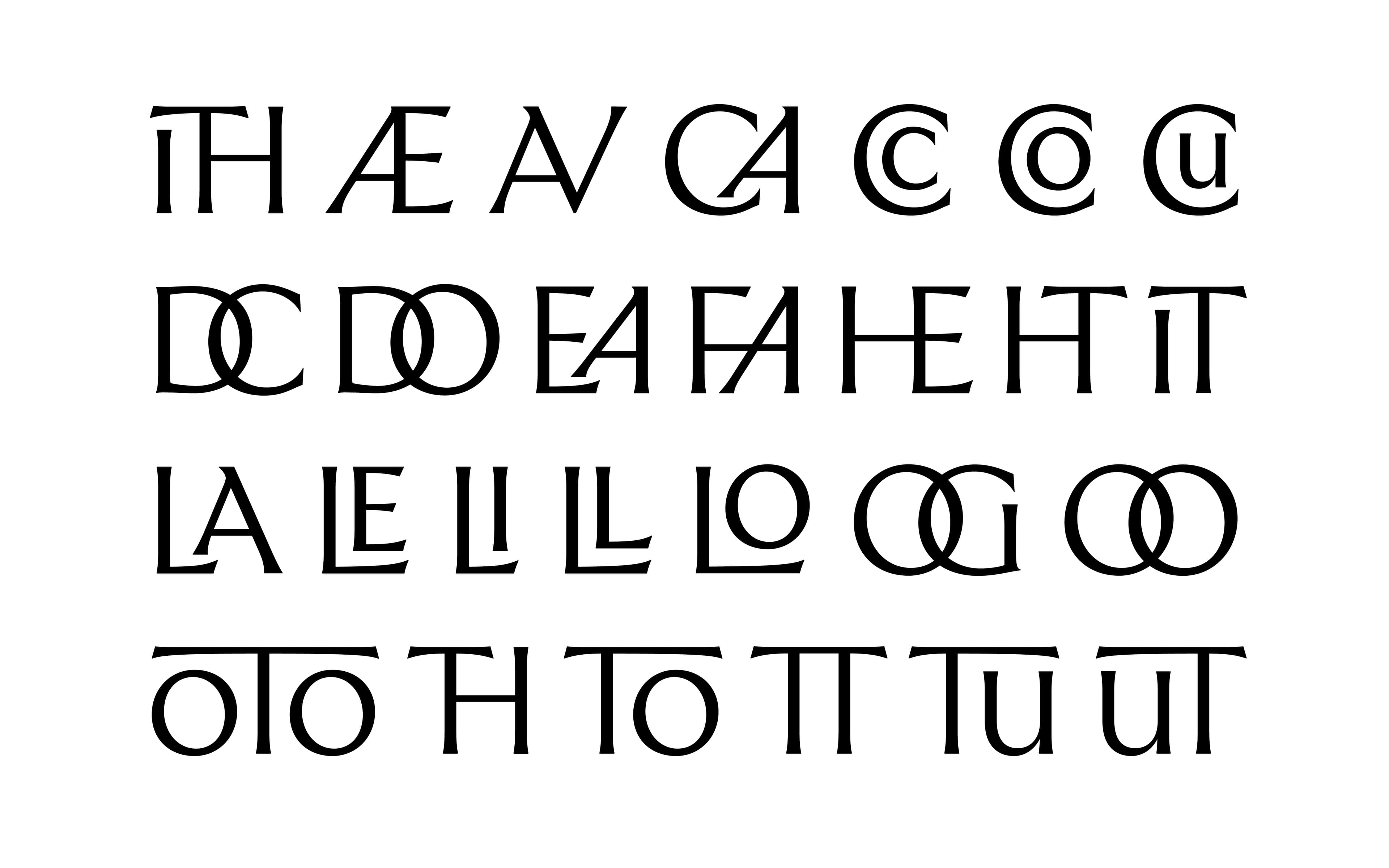
Designers have been making good use of Ceraph’s numerous contextual alternates. With a massive assortment of ligatures and swashes at your disposal, the possibilities are endless, whether you choose to go for Lubalin maximalism or something simpler but no less striking.
"Ceraph was my first typeface, so I signed up for a steep learning curve. It taught me how pen-drawn forms can survive digital translation. Seeing it grow into a family now feels like the natural continuation of that concept.”
"Ceraph was my first typeface, so I signed up for a steep learning curve. It taught me how pen-drawn forms can survive digital translation. Seeing it grow into a family now feels like the natural continuation of that concept.”
▼
▼
WHAT IS DARK
WITHIN ME,
ILLUMINATE
– John Milton
THINGS OF QUALITY HAVE NO FEAR OF TIME
▼
▼
KOJI MORIMOTO
MEMÔRIZU: KANOJO NO OMOIDE (1995)
KANASHIMI NO BERADONA (BELLADONA OF SADNESS)
Ceraph In Use
Ceraph In Use
Since its initial release, Ceraph has taken on a life of its own. Initially released in a single weight best suited for display and headline applications, it’s found widespread main-character use in fashion, music, and literary contexts. We’re excited to see how designers make use of Ceraph’s full family.
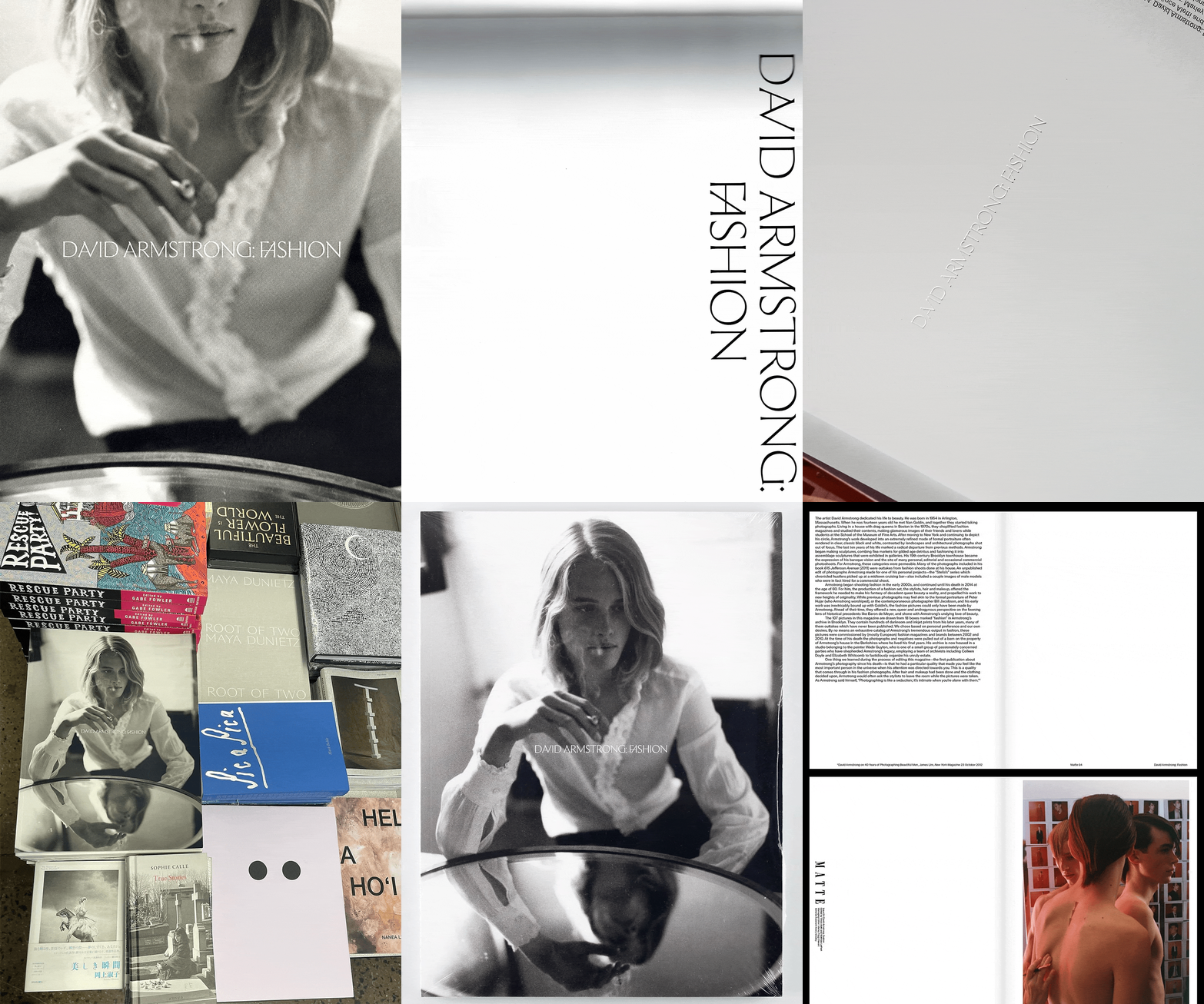
Featured Fonts
Featured Fonts